 Follow Us on Google News


 Follow Us on Google Discover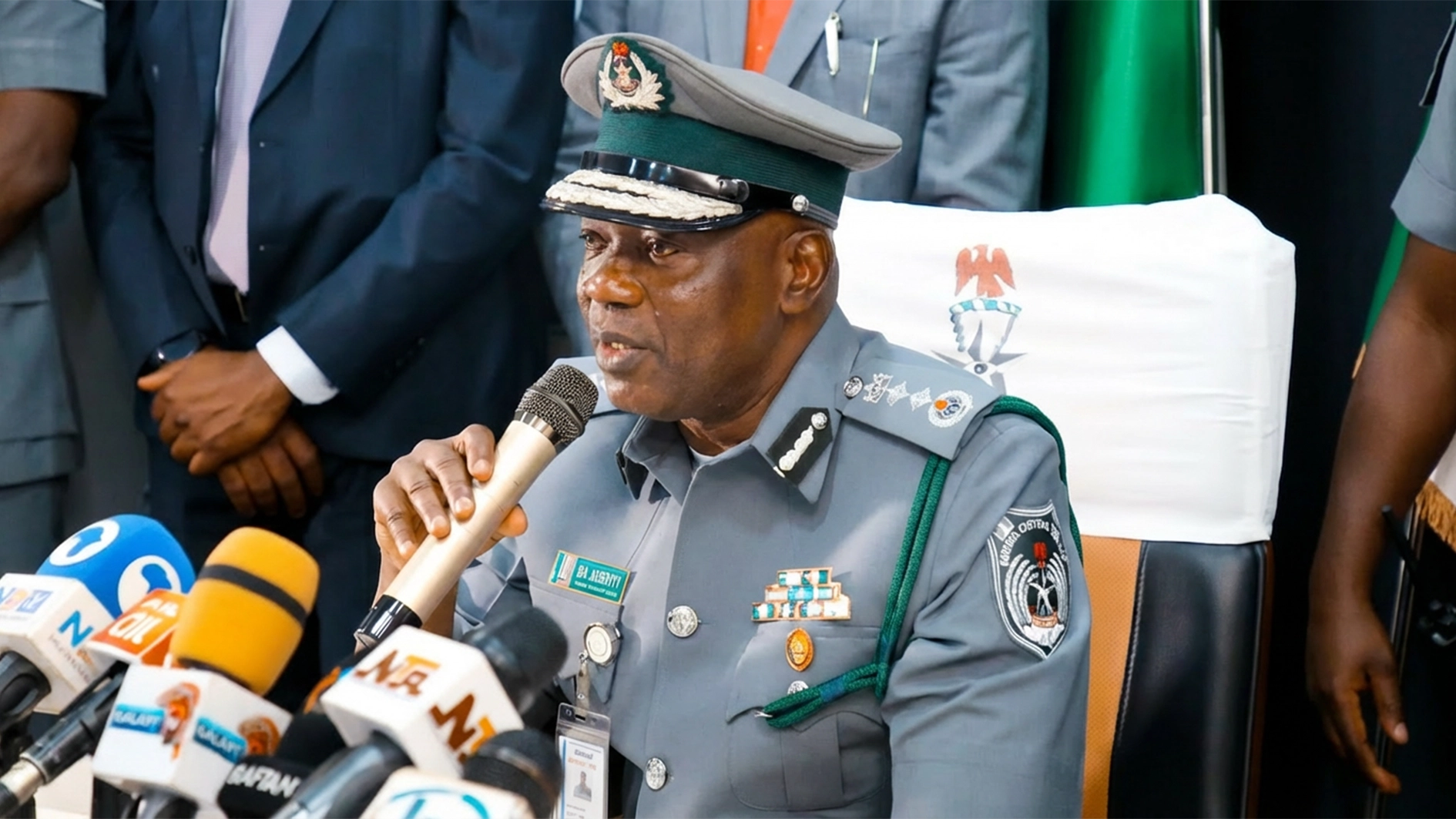
The Nigeria Customs Service (NCS) has collaborated with the World Customs Organisation (WCO) and the United Kingdom International Development to strengthen its internal anti-corruption framework.
Speaking during a workshop focused on corruption risk analysis, risk mapping and the development of Standard Operating Procedures (SOPs), held in Abuja, the Comptroller General of Customs, Dr Bashir Adeniyi, said the mission under the WCO was an important step in strengthening institutional growth, integrity, and corruption risk management.
He stated that the exercise has nothing to do with fault-finding or apportioning blame; rather, it allowed the system to look at itself, identify weaknesses, and develop sustainable solutions.
According to the CGC, the assessment was designed to cover key Customs processes, including regulatory and administrative procedures, clearance processes, inspection and examination, enforcement and compliance, procurement and human resource management.
“The purpose of what we have therefore been doing with our partners was to identify such areas of vulnerabilities, assess the associated risk and develop practical measures to mitigate them,” he stated.
Adeniyi affirmed that the Service will continue to support measures that strengthen transparency, accountability, internal controls, process simplification, and the use of technology to reduce unnecessary discretion.

“A customs administration that is transparent, that is predictable and accountable, is better positioned to facilitate legitimate trade, improve compliance, and enhance public confidence,” he noted.
The WCO Lead Technical Expert, Accelerate Trade Facilitation Programme, Arman Zhalitov, while commending the CGC for its continued support, urged the working group to champion endorsement of the workshop outcomes, which include a comprehensive action plan outlining clear steps to advance trade facilitation and strengthen the anti-corruption agenda.
Also speaking, the WCO Programme Manager for the Accelerate Trade Facilitation Programme, David Tanenbaum, outlined achievements in AEO, post-clearance audit, and the time-release study, noting that integrity does not exist in a vacuum.
He said the achievements demonstrate that the partnership is delivering tangible institutional and operational results.

