 Follow Us on Google News
 Follow Us on Google Discover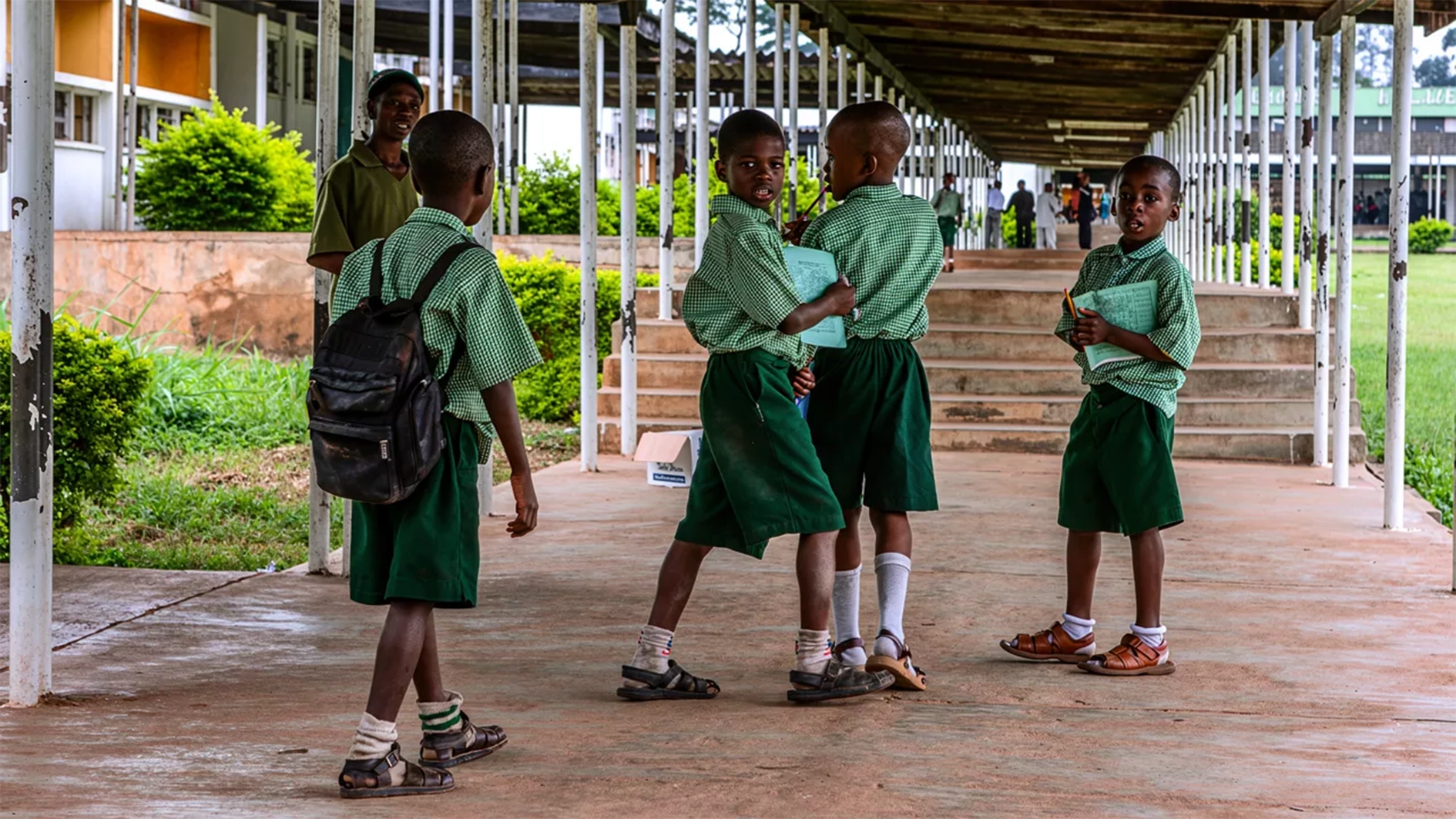
By Tony Afejuku
The Glitterer is writing, talking, exhilaratingly now about the relationship between the writer and his readers. Specifically, he is dwelling on the relationship between him and his readers – as he does time after time. This time, however, he pointedly sees, and appreciates them as a chorus, as his audience that does not just follow or read him passively – but that reacts, judges, and comments on him, his text(s) or both. Before he provides the readers’ narrative guide, however, he feels the need to quote Elwyn Brooks (E.B.) White (July 11, 1899- October 1, 1985), a prominent American writer and journalist noted for his versatile contributions spanning children’s books, essays and journalism.
E.B. White’s words the Glitterer is sharing now: “A writer should concern himself with whatever absorbs his fancy, stirs his heart, and unlimbers his typewriter.” l feel no obligation to deal with politics. I do feel a responsibility to society because of going into print — a writer has the duty to be good, not lousy; true, not false; lively, not dull; accurate, not full of error. He should tend to lift people up not lower them down. Writers do not merely reflect and interpret life, they inform and shape life. “For a number of years, I was thinking almost continuously about the needless chaos and cruelty of a world that is essentially parochial, composed of more than a hundred parishes, or nations, each spying on the others, each concerned almost solely with its own hallmark and its own stunt.” If this composer substitutes “cruelty of a world” in the quotation with “cruelty of our country Nigeria” the import of the accompanying words in the passage will evoke a powerfully relevant emotional response from us.
The Glitterer’s chorus here cannot disagree with this observation/ remark. Now let the composer introduce two of his readers, who constitute his (and his texts’) chorus: Dr Clement Odia and Dr Reginald Facah. He begins with Dr Odia’s comments on “The nastiness of nastiness”: “Since you ended your ‘Nastiness of nastiness’ with you expecting the unexpected visit of the unexpected, let me assure you, Prof., ours is a land of the unexpectedly expected expectations being reversed, prompted, and planned never to expect anything new. All our writings before and after or since independence about our nasty leaders and their nastiness in office and the nastiness of our nastiness specifically referring to the nasty silence of the people appear unchanged. Yet these writings have not been visited with the unexpected reactions that will lay the path for progress and freedom. However, your highly satirical execration of the Nigerian social space has just inspired me to affirm your thoughts through poetic imagination titled: “Encycling Nastiness”. Encycling Nastiness “Your nasty rhetoric encycles The foundations of our common being, Rupturing tomorrow With the rusted blades of suspicion.
Our nation is brewed In the cauldron of ethnic hatred, Where every reckless word Poisons another generation. “Spoken nastiness ripples; Communities crumble. When politics gallops through the fields, Division unsheathes its knife, Slashing the fabric That once clothed us as one. A nasty menace Staggers our journey, Leaving footprints of fear On every road to hope. “Words become matches; The marketplace catches fire. Neighbours inherit enemies They never chose. Children learn The grammar of contempt Before they learn The alphabet of peace. “How long shall we mortgage Our future to merchants of bitterness? How long shall microphones become factories of poison, and podiums become slaughterhouses of truth?
“Let hateful tongues fall silent. Let justice outshout propaganda. Let dialogue uproot suspicion, And compassion reclaim the land. “For no nation survives By feeding on its own flesh. No people rise By celebrating one another’s wounds.” The cycle must be broken. The rhetoric must be buried. Only then Will our fractured homeland Remember the forgotten language Of unity. “My second reaction to your essay this morning centres on your compelling vision of leadership. I am particularly encouraged by your observation that genuine patriots and patriotism are steadily receding in our national life. In their place, we increasingly witness ego-driven leadership that is intolerant of opposing views, even when such views are inspired by patriotism and the common good. “Nigeria is a richly diverse nation. Rather than harnessing this diversity as a source of strength, innovation, and national cohesion, we have too often weaponised it, turning our differences into instruments of division and self-destruction. Until leadership rises above narrow interests and embraces inclusiveness, patriotism, and constructive dialogue, our immense potential will remain unrealised.”
Now Dr Facah interprets Afejuku’s “Good Fortune in Grief’s Season.” “Grief has become our very and ever present companion in Nigeria for some decades now. Political and economic griefs have been the most familiar but more recently, security grief has since taken centre-stage and dancing more than naked in the market place – exposing all our members to public view. Chai!! “Indeed, since the Maitasine hordes exploded and raised dust in the old Borno State in the 80s and the Niger Delta militants bloodied our waters down south, while the IPOB and MASSON gangs wreaked havoc in the east and the herders/ farmers conflagrated the middle belt region, Nigeria has become soul-mate with a seemingly unsolveable national insecurity albatross. Name it, we have it: banditry, insurgency, serial school abductions, highway kidnappings, unexplained killings inching close to ethnic cleansing and a pogrom.” The people are traumatised with fear and immobilised with trepidation.
All road journeys are predicated upon a huge dose of praying and fasting. Train journeys suffer the same fate. Not even transiting to and from the airports is any safer. The pastors and marabouts are making a killing from the peoples’ fears; while fly by night prophets have taken over the airwaves and internet net. “From Chibok to Oriire and countless other unfortunate incidents, it has been one story of carnage and horror to another. Not even the series “Hammer House of Horror” could have done better. “Once described as the happiest people on earth, Nigerians have the ancient proverbial Abrahamic hope engrained in their DNA. Indeed, against hope, Nigerians have believed in hope. And it has worked for them thus far. Nigeria is a survivor’s course any day. “But somehow, the people know that these seasons of anomy would soon ease and cease. Somehow too, Nigeria has always retreated from the precipice in the nick of time. Our hope refuses to let go and somehow the little victories here and there are becoming heartwarming; with the most recent being the unraveling of the Oriire debacle.
Our hope refuses to be silenced. Whatever may be the behind the scenes stories or the conspiracy theories springing up, the recent successful rescue of dozens of the abducted schoolchildren and teachers in Oriire, Oyo State, on May 15, 2026 offers a powerful reminder that our hopes must be kept alive. “The President, Bola Tinubu, described the moment as one of profound national relief. And was he right!” For the families who endured sleepless nights, for the teachers who protected their pupils, and for a country exhausted by mourning, this rescue is more than good news — it is evidence that light can pierce even the darkest seasons.
It testifies that persistence in security efforts, intelligence work, and collective will can bring children home alive. “In Nigeria’s grief season, hope does not deny the pain or pretend the threats have vanished. Instead, it stands as quiet defiance: They came for our children, but our children came home.
They closed our schools, but the teachers yet wielded their chalks. This recent victory calls for prayers, strengthens resolve, and reminds every grieving heart that tomorrow can still carry redemption.” May this victory inspire greater vigilance, unity, and action so that fewer families will ever have to walk this painful road again.
Nigeria’s children deserve to learn in peace — and the nation deserves more stories of return, not just of loss. But while Hope endures, it is clear to the whole world that our insecurity is local. And until local elements coalesce to take action, these guerrilla security hits would yet replete rather than deplete. Let every community repossess their bushes and forests, let every traditional ruler and politician be sincere to self and people. And let our military be up and doing. The fifth elements must be purged from our polity. Then and only then or then only will Uhuru come to town. Thank you, Prof. Afejuku the glitterer.”
Afejuku can be reached via 08055213059

