GDN SIDEBAR
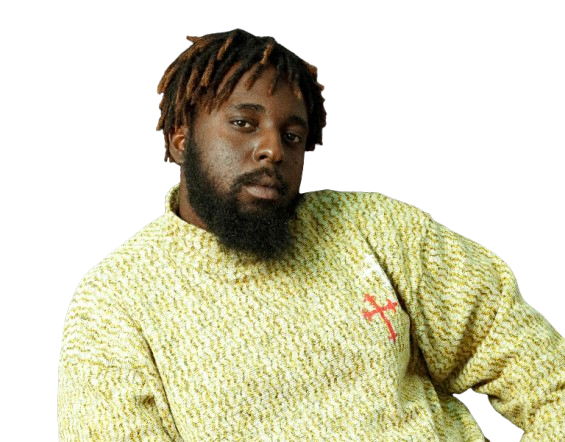
Mavo is studying optometry, running his own record label, and making music with some of Afrobeats’ biggest names. He talks to Chinonso Ihekire about creating his own slang, staying independent, and why his ambitions leave little room for a life outside work
His voice crackled with energy as he joined the call. It was a breezy weekday afternoon, and Osaretin Marvin was busy finalising some school errands at the medical campus of Afe Babalola University in Ekiti, hundreds of kilometres away from Lagos, where his growing portfolio of businesses, including his record label, is based. He was also thousands of kilometres away from South Africa, where he would be spending the next few days performing the same music that introduced him to the world as the superstar pop act we now know as Mavo.
For Mavo, being an optometry student, running an independent record label, and commanding a rapidly growing catalogue of hit records at just 22 seems like quite an uncommon experience. Yet, this complexity is perhaps best suited to the personality that defines him.
For the young singer, being sought-after as a music superstar comes with its own dividends, but it also feeds into his core philosophy, which revolves around being exceptional in every facet of his career. It’s a conviction he has carried since secondary school in Edo State, where he spent much of his time writing songs, freestyling and imagining a future in music, even when his peers struggled to take his ambitions seriously. “I always knew I was on the right path,” he recalls. “I was just not ready to convince anybody.”
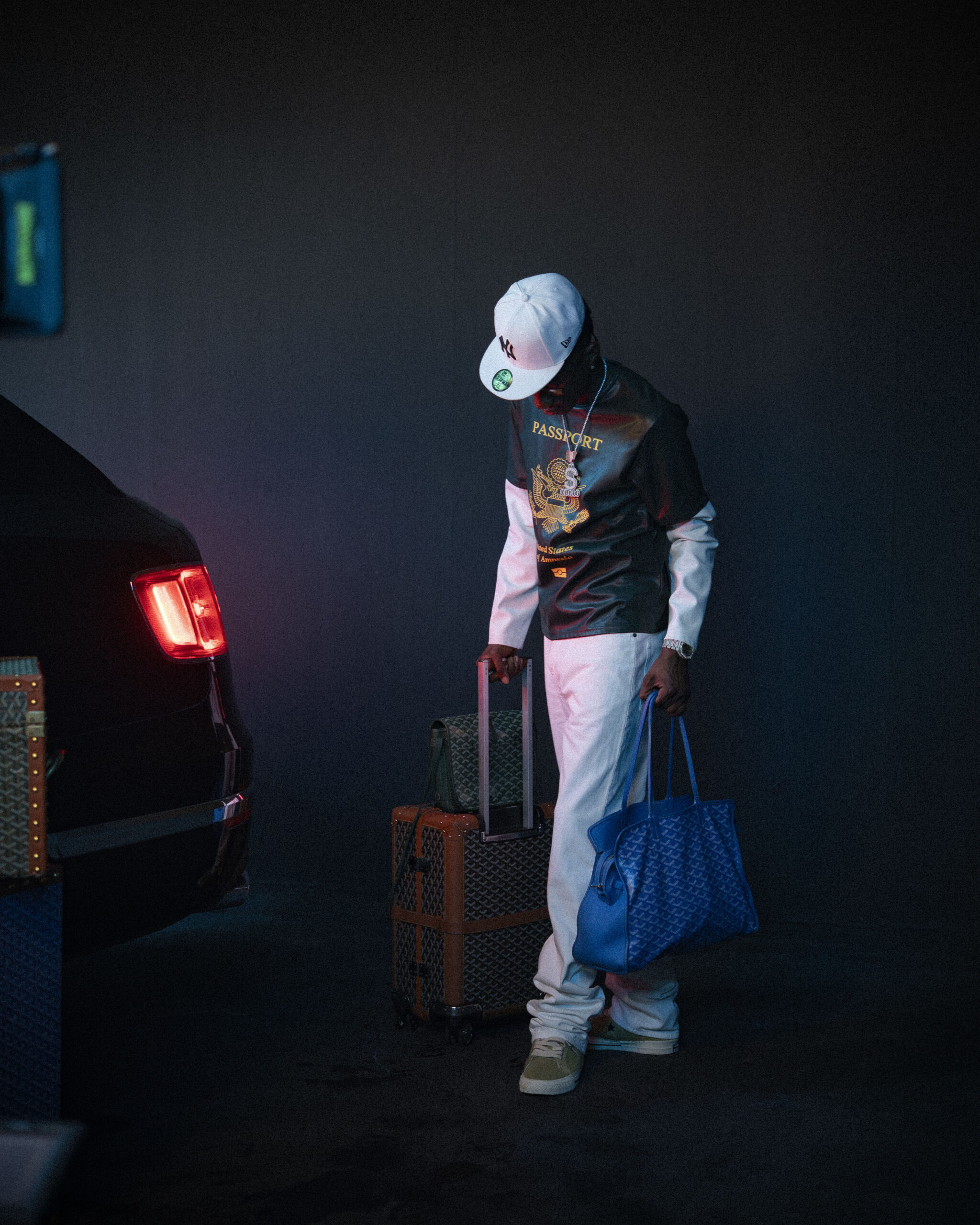 It is also the same mindset that has shaped much of his catalogue since his early SoundCloud days, when he recorded over free YouTube beats and gradually built a musical identity around his own experiences. With cult classics like Ukanigbe, which introduced many Nigerians to earlier favourites like “Tumo Weto” and “No,” among other popular choices, as well as his 2025 breakout jam “Escaladizzy”, Mavo has steadily expanded his fan base and cultural relevance. His euphoric flows, vulnerable storytelling, catchy street lingo, including an entire dictionary of self-coined phrases documented in his bizzypedia, and an increasingly charismatic soundscape have drawn listeners deeper into his unique world. Over the years, he has also worked with major heavyweights, including Davido, Wizkid, Tiwa Savage and Wande Coal, among others, marking one of the biggest breakouts from Nigeria’s underground music circuit in recent years.
Beyond the music, his entrepreneurial ambitions are also audacious and a strong part of his journey. Having built his career around an independent record label, Mavo is already navigating the complexities of managing it, while pursuing his university education and maintaining a demanding recording schedule. He admits to having little time for hobbies or leisure, with much of his attention divided between studying, recording music, and expanding his business interests. His ultimate ambition is to build a multimillion-dollar company, while his medical education forms part of a longer-term plan to establish a foundation that can employ doctors and provide healthcare services to underserved communities. For someone whose creative philosophy revolves around building his own world, the ambition seems quite…Mavo.
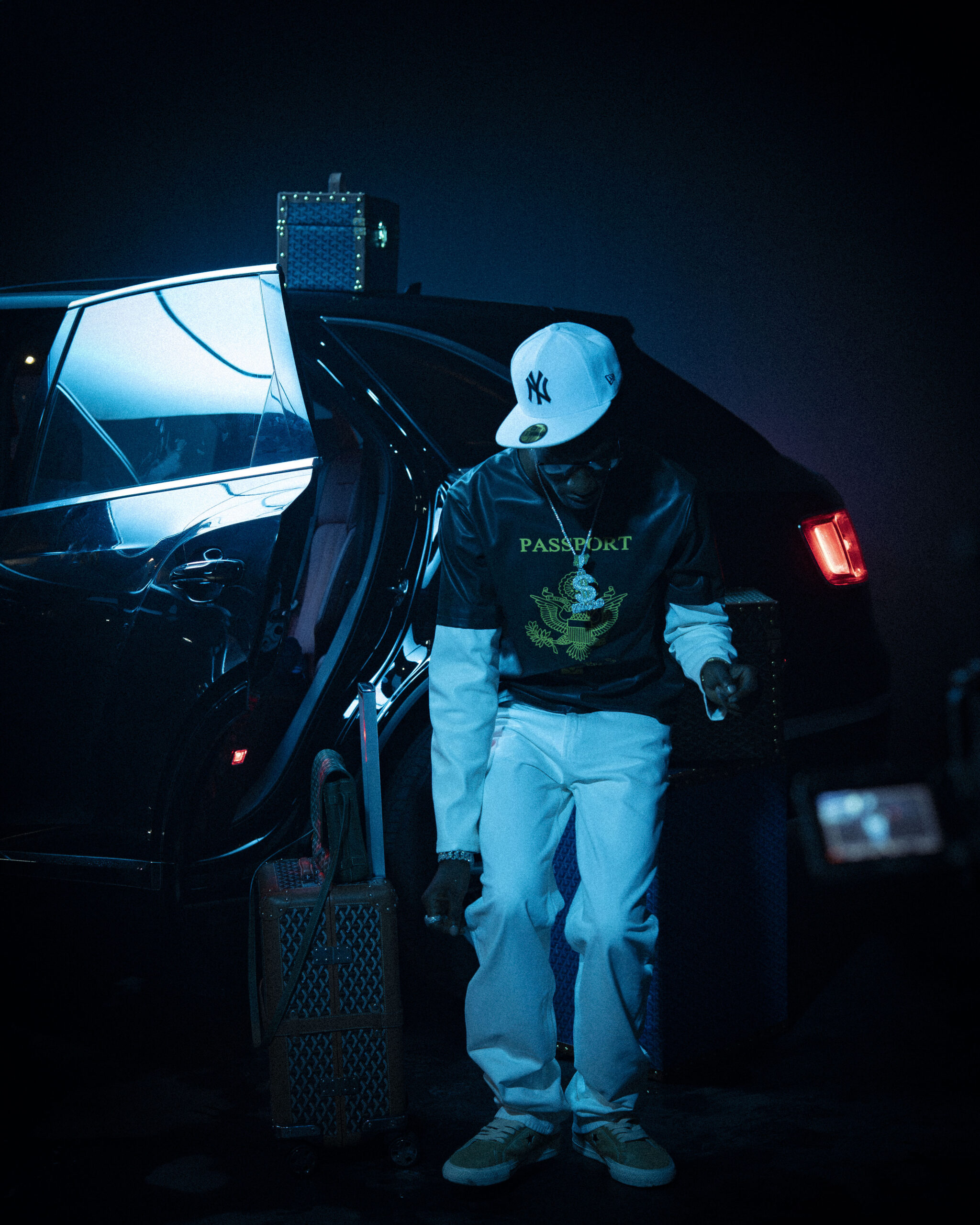
Shortly after the release of his latest studio project, Business, the talented pop crooner catches up with Guardian Music, piecing together details of the grand masterpiece that is his ascent, his muses, the complexities of being a young CEO, student and celebrity artist, as well as his mission to constantly reinvent himself for success among the next generation of African superstars.
 Before you started experimenting with music, had you ever imagined yourself becoming a musician?

Yeah, I always imagined myself being a musician, right from secondary school.
What was it about music that attracted you at the time?
Creating, basically. I love creating my own thing, and that was the premise for most of the things I was doing at that young age. I was obsessed with creating my own thing.
What were you creating at the time? Were you freestyling, writing songs, or performing with bands in school?
Yeah, I was writing and freestyling. It was just vibes at that time. Nothing too serious.
How did your friends react to your music?
I don’t have friends from school right now. I don’t talk to them anymore.
When I left secondary school, I didn’t have any friends anymore. When I went to university, I just had one friend, and that friend is on my record label right now.
Would you say you were more sociable in secondary school, or was there a particular reason you became more withdrawn at university?
When I went to university, I decided to be more focused on music. And focusing on music means you cannot take in bad energy.
Most of the people from my secondary school, their energy wasn’t really good. They didn’t really encourage me to be a better artist, or tell me that I was good at what I was doing. They would just laugh it away.
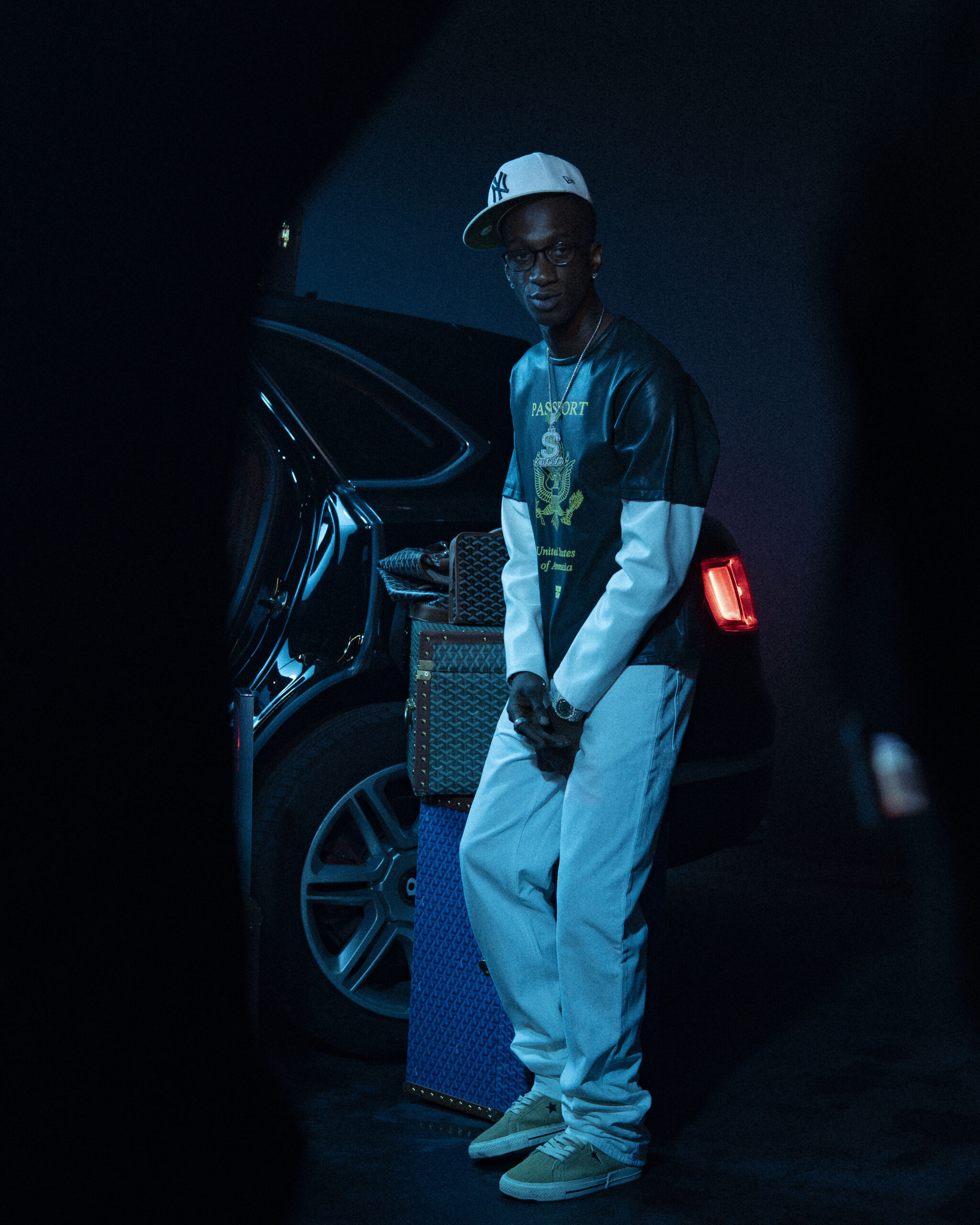 At what point did you become convinced that music was something you could pursue professionally? Was there a particular moment of validation?
I was always convinced. I always knew I was on the right path. I was just not ready to convince anybody.
That’s quite interesting, especially considering that you’re also studying optometry. Did school ever feel like a distraction from your musical ambitions?
No. My lecturers know. I tell my lecturers all the time. If you ask them, they would tell you that Marvin Owey said he’s going to be a great artiste. Marvin Owey told me that he’s going to be a great artist.
You spent your secondary school years in Edo State. How did that environment shape your musical interests? What were you listening to at the time?
Musically, I was listening to everybody. That’s what was inspiring me. I was just a music lover, especially African music. You could see me listening to Tiwa Savage, Naira Marley, Wizkid, Davido, all those great artistes making great music. I loved all the Davido songs, “Aye,” “FIA,” all those great songs. Then there was Burna Boy as well, “On the Low,” all those great songs that were popping at that time. I was all about great music.
Were you making covers of these songs or experimenting with similar sounds at the time?
I wasn’t making covers. I was just putting it in my mind that one day, I would create music as substantial as this. But I hadn’t had enough experiences to do that.
Your career started on SoundCloud before expanding to mainstream streaming platforms. Who were the producers you worked with during that period, and why were you releasing your music exclusively on SoundCloud?
On SoundCloud, I wasn’t working with producers. I was working with YouTube beats.
I was on SoundCloud because they were YouTube beats. I hadn’t paid for these beats, and I didn’t have any channels. I didn’t know anybody in the music industry who could help me pay for the beats.
But eventually, I met my manager, Bev. She knew a couple of people, so we could talk to people, finally pay for my stuff and put it out on major platforms.
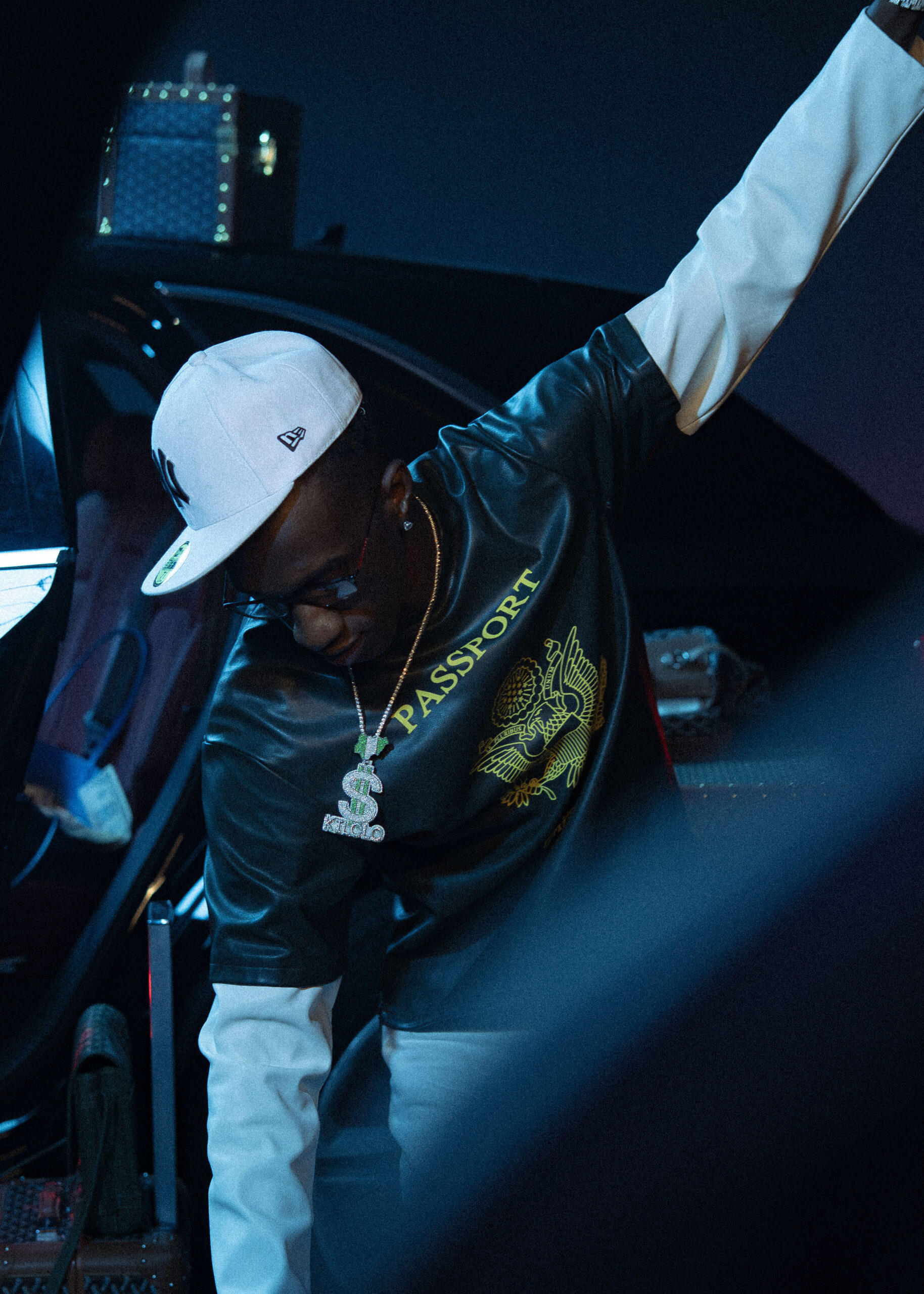
Your relationship with Bev is quite interesting. She’s spoken about how she was instantly convinced by your sound. What convinced you that she was the right person to work with?
I met Bev six years ago, in 2020, at a club. My friend Mona introduced her to me. At that time, I had a fashion brand called Pink. She used to be around, putting me through things generally, especially branding. She would tell me things like, “Oh, this picture is fresh.”
We weren’t speaking like that at the time, but when I went to school, I met my former manager, Dara.
The thing is, Dara was being too business-minded, and I didn’t want to do this as business. I wanted to do it as a family.
He was always telling me, “Oh, I can take you to this person.” I’m like, nobody tells me that. Nobody can put me on. I’m my own person.
He was always trying to make me feel like he was making me. I’m like, bro, I’ve been going to studios all my life, doing all my things myself. You cannot come at this point and say you’re the person who helped me. You’re not the one who did it for me.
That family energy was what drew me to Bev.
I suppose that also explains your decision to remain independent and establish your own record label. Was that always part of your vision?
Yeah. I’ve always believed in doing it by yourself. I always believe that anything worth doing is worth doing well. And if you’re doing it well by yourself, then it’s going to work.
Let’s talk about Ukanigbe. l I found the songwriting quite vulnerable, especially the stories about heartbreak. Has that always been your approach to songwriting?
I think music depends on the way you’re feeling, and I always really want to feel my music.
So those stories about heartbreak were drawn from your real-life experiences?
Yes.
Shout-out to the babe, then!
Shout-out to Jenny! (Laughs.)
The funny thing is that girl keeps texting me every day. It’s crazy.
Really?
(Laughs.) She keeps texting me.
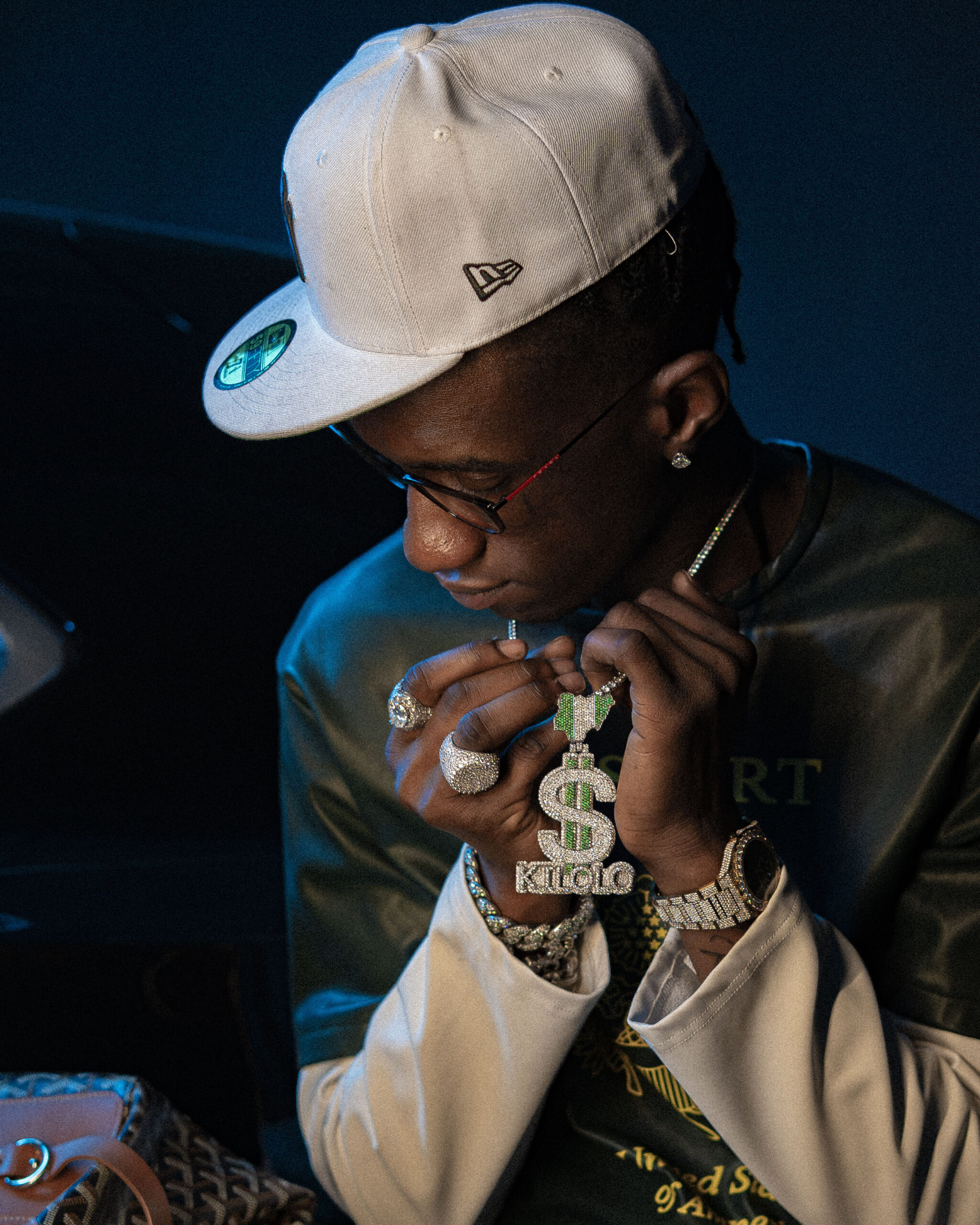 Your music has evolved across different sounds, from the more vulnerable records on Ukanigbe to your experiments with Amapiano. You’ve also developed your own slang and even released the bizzypedia dictionary. When did you start incorporating these expressions into your music, and what inspired that direction?
Basically, I just wanted to be different. I already told you about my years of being different.
That’s just what I’ve grown into being. It started in secondary school, and that’s what people don’t understand.
It’s never about going rogue. It’s just about being different, doing what nobody else is doing.
I don’t want to say what another person is saying. I don’t want to use the same words. I want to have my own words. I want to own everything, build my own world, my own everything.
I’ve always wanted to ask you what “Kilogbede” means. What’s the meaning?
“Kilogbede” means, “What are you bringing to the table?”
That’s interesting. I particularly like how your slang is gradually becoming part of Nigerian pop culture.
Yeah, everybody is using them too. We’ve even been recognised by Billboard.
You’ve also worked with an impressive range of artistes, from your contemporaries to established names like Wizkid, Davido and Tiwa Savage. What have those collaborations taught you about creating music with other people?
Personally, for collaborations that I want to do out of my love for the music, I would want to build a relationship with the person.
Maybe I’ve known the person for a while. We’ve been speaking, and I can understand what I want to do and the direction I want the song to go.
But most of the time, people don’t actually meet me, hang out with me or become friends with me before getting to the song. They just go straight to the point.
Maybe it’s because I came into the industry with some sort of business-minded point of view.
For example, Kikara and I are friends. But the reason we started talking was because of a song. We started speaking about the music, and eventually, we became friends.
It has never necessarily been about me trying to collaborate with people without bonding.
Sometimes, somebody brings a song, we talk, and from there, I start discovering that this person is actually a nice person.
Because trust me, this music industry is very toxic. I didn’t know that when I started.
Have you experienced that side of the industry already?
Yeah, a lot of people hate people. People don’t like people.
I never even knew that hate was this serious. Some people actually hate people. It’s deeper than you think.
I don’t know if it’s for no reason or if it’s deeper than I think, because some people have been here for 15 or 20 years. I’ve just been here for about two years.
But people actually hate other people, and because of that hate, they can even try to cancel you.
That’s quite an industry! On a lighter note, how was your experience working with Wizkid and DJ Tunez?
It was beautiful. It was lovely. They’re amazing people, so it was beautiful. It was seamless.
All my collaborations have been beautiful. They’ve been seamless. It hasn’t been so problematic.
Everybody was asking me for a verse, and I was clearing it. It wasn’t so serious.
If it were other artists, it might not have been like that because they would have been on labels, and nobody would have been clearing verses that quickly.
Bro, I literally dropped “Body” and “Money Constant” side by side. I dropped “Body” on Thursday and “Money Constant” on Friday.
That shows the amount of songs we were clearing per week.
That’s an impressive work rate. How long did it take you to record your part on “Money Constant”?
It took me one hour to make that song. But I had to listen to it again and again, so the whole process took about six hours.
Between recording music, studying and running your businesses, do you still have time for yourself or your family?
I don’t think I have time for myself.
Really? What about hobbies? What do you do to unwind when you’re not working?
I don’t have hobbies. I’m too busy. I’m literally an artist. I don’t have time.
You’ve released a new project this year. What should fans expect next? Are you planning a tour, more videos or new collaborations?
I think right now we’re just trying to make ends meet. We’re trying to make sure we have a perfect standpoint.
Where we are now, we’re very independent. We’re the most independent. Our label is too independent.
People have independent labels, but ours is actually really independent in the sense that we’ve never signed a deal with any label before.
Everything is straight. And I’m a young person having to sign more artists who are older than me and still having to handle their rights.
It’s a lot.
How do you handle that pressure?
I’m handling the pressure perfectly. That’s why I can’t really have hobbies or free time.
I just have to keep reading books, understanding things, recording music, attending to my other artists and making sure they’re recording too.
As a young business owner and hitmaker, what does your long-term vision look like? How do you want your career to evolve?
Right now, I’m trying to build a multibillion-dollar company with my record label. I think that’s my main goal.
I’m recording a lot of new music and doing rehearsals, but the only thing I’m doing more than focusing on becoming a better artist is focusing on making a multimillion-dollar company. I need to do that.
Finally, when you graduate from university, do you intend to practise optometry professionally, considering how demanding your music career has become?
A superstar cannot be a doctor anymore.
I’m studying it so I can have my licence and open a foundation where I can employ more doctors and still give back to the community.