 Follow Us on Google News
 Follow Us on Google Discover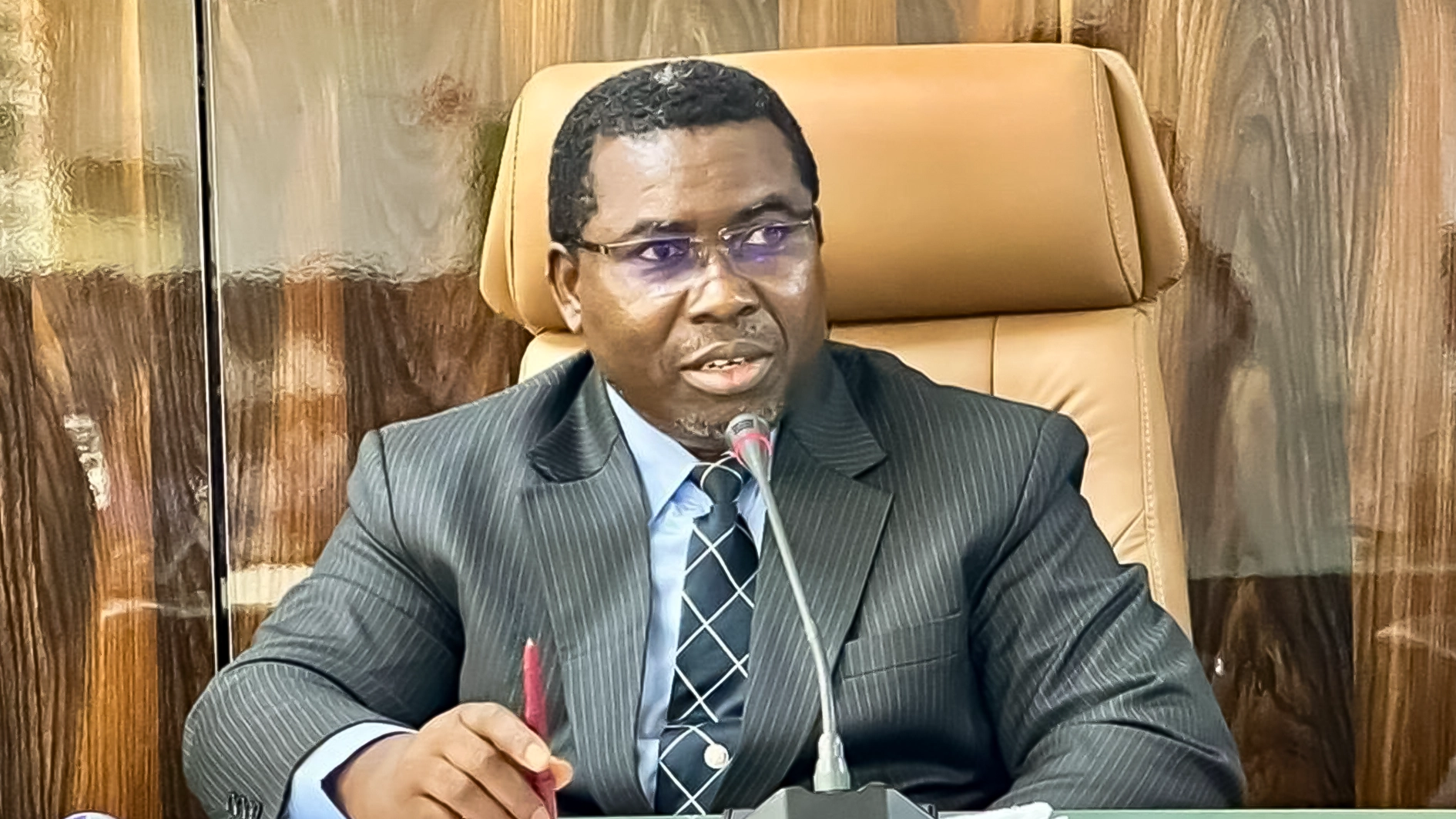
With more than 10 million fresh registrations awaiting verification and de-duplication, Nigerians want the Independent National Electoral Commission (INEC) to ensure the integrity of the National Register of Voters ahead of the 2027 elections, SEYE OLUMIDE reports.
As preparations for the 2027 general election gather momentum, attention is shifting from the recently concluded Continuous Voter Registration (CVR) exercise to the more difficult task before the Independent National Electoral Commission (INEC): producing a credible, accurate and verifiable National Register of Voters.

The issue is significant because confidence in the voter register is central to confidence in the elections themselves. Concerns over underage registration, duplicate entries, missing names and voter transfers featured prominently in debates over the register used for the 2023 elections and remain unresolved in the minds of many Nigerians.
INEC has repeatedly maintained that its biometric verification processes are designed to identify and remove duplicate registrations and other ineligible entries. But the commission now faces a fresh test as it processes more than 10 million new registrations recorded during the latest CVR exercise.
INEC had announced that 3,867,997 Nigerians successfully completed registration during Phase III of the exercise. That brought the cumulative number of fresh registrations across the three phases to 10,188,755, with 2,572,054 recorded in Phase I and 3,748,704 recorded in Phase II.
Of the Phase III figure, 2,697,863 Nigerians completed registration physically at designated centres, while 1,170,134 used the online pre-registration platform before completing the mandatory physical verification.
The figures, however, are preliminary. INEC is expected to subject the new registrations to biometric verification and de-duplication before adding the clean records to the existing National Register of Voters, which currently contains more than 93 million registered voters.
Election observers, political parties and civil society groups told The Guardian that it is this next stage that will determine whether the latest registration exercise ultimately strengthens or weakens public confidence in the 2027 elections.
But the latest CVR was itself marked by a number of operational, technical and accessibility challenges, raising questions about whether every eligible Nigerian who sought to register was able to complete the process.
In some registration centres, technical difficulties, including downtime of biometric capture equipment and poor network connectivity, reportedly slowed or disrupted registration. Limited numbers of registration machines and long queues also caused delays, leaving some prospective voters frustrated after spending hours at centres.
For some applicants, the difficulties went beyond delays. Concerns were also raised about the security of the registration process, including the protection of users’ credentials and personal information on aspects of the online registration platform.
Security challenges presented another obstacle in some parts of the country. In areas affected by insecurity, registration centres were reportedly relocated or temporarily suspended, while fears for the safety of registration officials and applicants affected access to the exercise.
There were also concerns about accessibility. Some registration centres were said to lack adequate arrangements for elderly citizens and persons with disabilities, while inadequate civic education and public awareness in some rural communities made it difficult for prospective voters to understand the multi-phase registration process, deadlines and procedures.
The problems were particularly significant because the CVR was not simply a technical exercise. For Nigerians seeking to participate in the 2027 elections, failure to complete registration could ultimately mean exclusion from the electoral process.
Before and after the 2023 elections, political parties, election observers and other stakeholders questioned aspects of the voter register, including allegations of underage registration and multiple registrations.
Some registered voters also complained that their names could not be found at their designated polling units despite completing registration and obtaining Permanent Voter Cards (PVCs). Others alleged that they were transferred from their original polling units without adequate notice, making it difficult or impossible for them to vote.
The credibility of the register also featured in the litigation that followed the 2023 presidential election. Although the Presidential Election Petition Court found that the petitioners had failed to establish that alleged deficiencies in the register substantially affected the outcome of the presidential election, the controversy reinforced concerns about the need for greater transparency in the compilation and management of the voter roll.
For some Nigerians, the problem has been more immediate and personal.
A student, Bankole Dada, said he was unable to complete his registration during the latest CVR exercise after encountering difficulties at the registration centre.
Similarly, a commercial bus operator in Apata, Oyo State, Femi Aina, said he visited a registration centre twice but was unable to complete the process.
Political parties were also critical of aspects of the CVR exercise. The African Democratic Congress (ADC), Labour Party (LP) and sections of the Peoples Democratic Party (PDP) questioned what they described as unusual increases in registration figures in some parts of the country.
The parties called for greater transparency, regular publication of registration statistics, wider access for election observers and independent verification before the final register is certified.
National Publicity Secretary of the ADC, Bolaji Abdullahi, said the party would await the publication of the final register before deciding its next course of action.
“The credibility of the elections is tied to the voter register, and if the final register suffers credibility issues, then we will know where to start from,” he said.
The Electoral Act 2026 places a statutory responsibility on INEC to compile, maintain and continuously update the National Register of Voters. It also provides for registration, transfer of voter records, public display of the register, claims and objections, and the removal of duplicate, deceased and otherwise ineligible voters.
The provisions therefore provide a legal framework for INEC to clean the register while giving eligible voters an opportunity to challenge omissions or wrongful deletions.
But questions have emerged over what the final figures will reveal.
The registration data showed substantial variations across the country. Kano recorded the highest number of completed registrations with 330,906, followed by Lagos with 181,254 and Delta with 166,895. Edo recorded 156,150, while Sokoto had 145,160.
Other states with relatively high figures included Ebonyi, Taraba, Ogun, Bauchi, Jigawa and Oyo.
At the lower end, Ekiti recorded 2,276 registrations, while Ondo had 23,824, Plateau 41,993 and the Federal Capital Territory 56,285. Osun recorded no registrations during the period because INEC suspended the exercise ahead of the state’s governorship election.
Although INEC has explained that the figures are preliminary and subject to verification, the disparities have prompted calls for the commission to provide detailed information on how the final register will be produced.
A retired military captain and former governorship aspirant in Imo State, David Mbamara, said the credibility of the exercise should not be judged by aggregate figures alone.
“The credibility of the register will depend not only on how many people registered, but also on whether the process inspires confidence across all parts of the country,” he said.
Political economist and democracy advocate, Prof. Pat Utomi, described the integrity of the voter register as one of the most important determinants of the credibility and legitimacy of the 2027 elections.
Utomi expressed concern over the suspension of aspects of the registration process, arguing that the timing could affect inclusiveness, particularly for first-time voters and Nigerians who recently attained voting age.
He said public confidence would be strengthened if registration procedures were transparent, inclusive and demonstrably compliant with the law.
President of the Middle Belt Forum, Dr. Bitrus Pogu, also faulted the suspension of the CVR exercise, warning that it could deny some Nigerians the opportunity to participate in the 2027 elections.
Pogu, however, said INEC’s priority should now be to produce a register that is accurate, transparent and legally defensible through a rigorous de-duplication process that removes multiple and ineligible registrations without disenfranchising genuine voters.
He also called for public display of the provisional register, adequate time for claims and objections, and timely issuance of PVCs.
For Convener of the Movement for Credible Elections, Wale Okunniyi, the challenge before INEC has shifted from registration to verification.
He said the commission must ensure that Nigerians are able to scrutinise the final register and challenge inaccuracies before the 2027 elections.
“Ultimately, regardless of improvements in election technology, logistics or result transmission, confidence in the electoral process begins with confidence in the voter register,” Okunniyi said.
An Oyo-based political scientist, Prince Adetayo Adekunle, urged stakeholders to exercise caution in interpreting the preliminary figures, saying conclusions should not be drawn until INEC completes the de-duplication exercise.
He acknowledged that the number of new registrations was significant but said the variations across states warranted closer scrutiny.
Adekunle urged INEC to publish the methodology used for de-duplication, provide adequate time for claims and objections, and release disaggregated state-by-state registration data.
He also called for stronger collaboration between INEC and the National Identity Management Commission (NIMC), improved use of technology and greater participation by civil society organisations and other non-partisan groups in auditing the register.
The Chairman of INEC, Prof. Joash Amupitan, had, however, assured Nigerians that the commission would produce a clean and credible voter register ahead of the next general election.
According to him, “the voter register is the foundation upon which free, fair and credible elections are built,” adding that its accuracy and integrity are critical to ensuring that every eligible voter’s voice is heard.
That assurance hinges on how the commission conducts the outstanding processes: publication of the provisional register, the claims and objections process, the removal of duplicate and ineligible records, and the protection of genuine voters from wrongful exclusion.
or Nigerians, therefore, the question after the CVR is no longer about how many people registered; it is whether the register that will eventually emerge can withstand scrutiny as well as whether voters, political parties and other stakeholders will trust it when the ballots are finally cast.

