 Follow Us on Google News
 Follow Us on Google Discover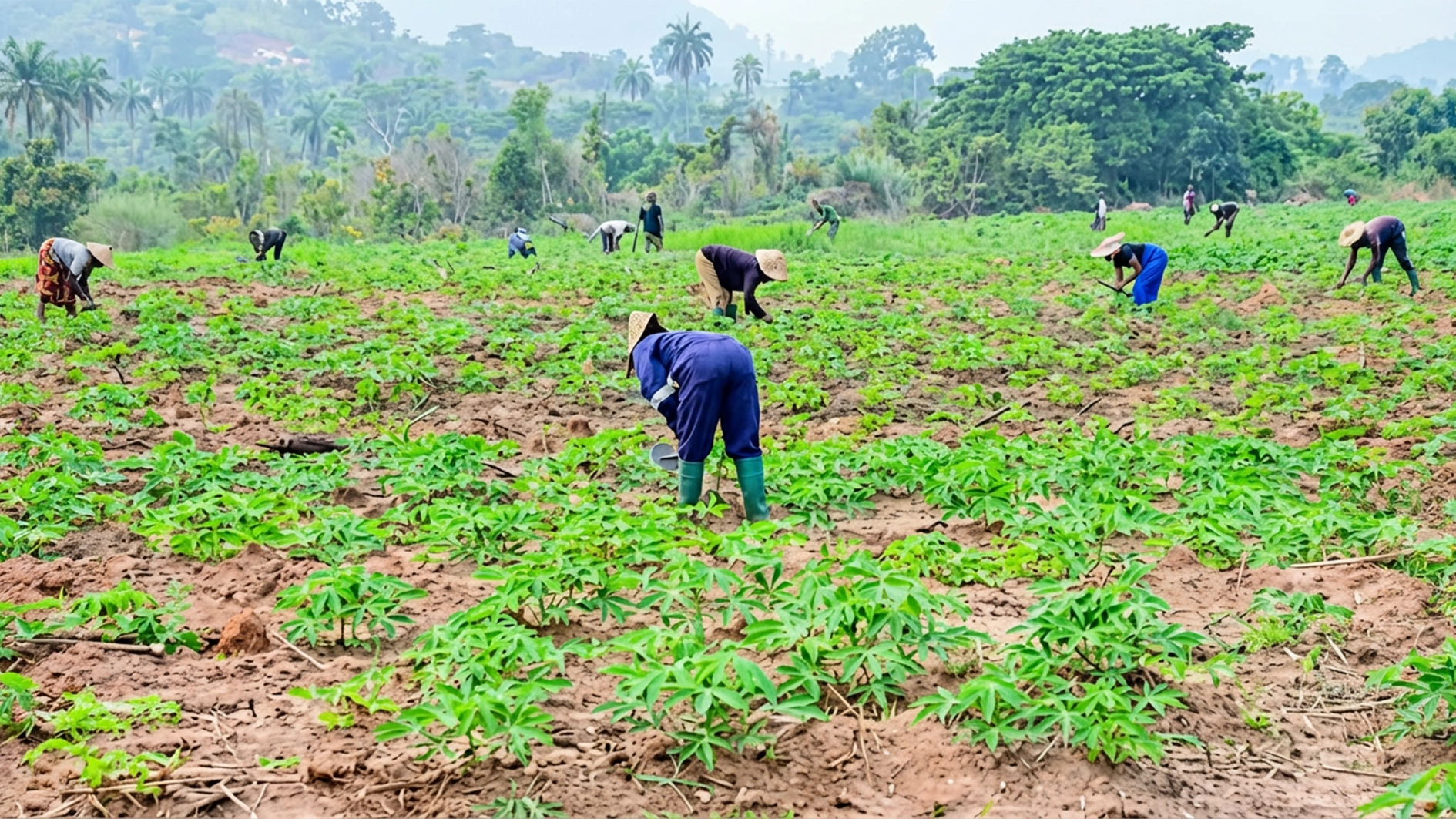
The gender gap in agricultural productivity costs Nigeria about $2.3 billion annually – equivalent to about two per cent of the country’s Gross Domestic Product (GDP) – a recent estimate by the Food and Agriculture Organisation of the United Nations (FAO) has said.
This comes as the United Nations (UN) also said that closing the gender gaps in agricultural productivity and wages could add nearly $1 trillion to the global economy and reduce food insecurity for millions of people.
The FAO Representative in Nigeria and ECOWAS, Dr Hussein Gadain, disclosed this yesterday in Abuja at the commemoration of the International Year of the Woman Farmer 2026, organised with the theme, ‘Advancing Women’s Leadership and Economic Power in Nigeria’s Agrifood System’.
Represented by the FAO Senior Programme Officer, Jimmy Owani, Gadein said that investing in women has both social and economic benefits, with evidence showing that when women have equal access to opportunities and resources, agricultural productivity rises.
Also, businesses grow, household incomes increase, nutrition improves, and communities become more resilient to economic, climate and security shocks, he added.
He emphasised women’s empowerment as an effective pathway to achieving sustainable development and food security.
However, Gadain regretted that, despite contributing an estimated 37 per cent of labour in crop production, many women still face challenges accessing land, finance, agricultural services, improved technologies, and leadership opportunities, resulting in female-managed farms recording lower productivity due to unequal access to resources and opportunities.

“The cost of this inequality is substantial. Estimates suggest that the gender gap in agricultural productivity costs Nigeria approximately $2.3 billion annually, equivalent to about two per cent of GDP,” he said.
He urged stakeholders to move beyond rhetoric and commit to removing the constraints facing women farmers, expanding opportunities for women-led enterprises, strengthening women’s leadership and ensuring that no woman farmer is left behind.
Also, the representative of the World Food Programme (WFP), Edouak Thiam, said 128,000 women had been a major part of its agricultural interventions in northern Nigeria over the past five years.
He added that over 70 per cent of jobs created through its activities had gone to young women.
Similarly, the representative of the International Fund for Agricultural Development (IFAD), Chioma Adeile-Okpara, said that no fewer than 96,827 women had been reached through three of its programmes in Nigeria – the Value Chain Development Programme (VCDP), Livelihood Improvement Family Enterprises for the Niger Delta (LIFE-ND), and Special Agro-Industrial Processing Zones (SAPZ).

