 Follow Us on Google News
 Follow Us on Google Discover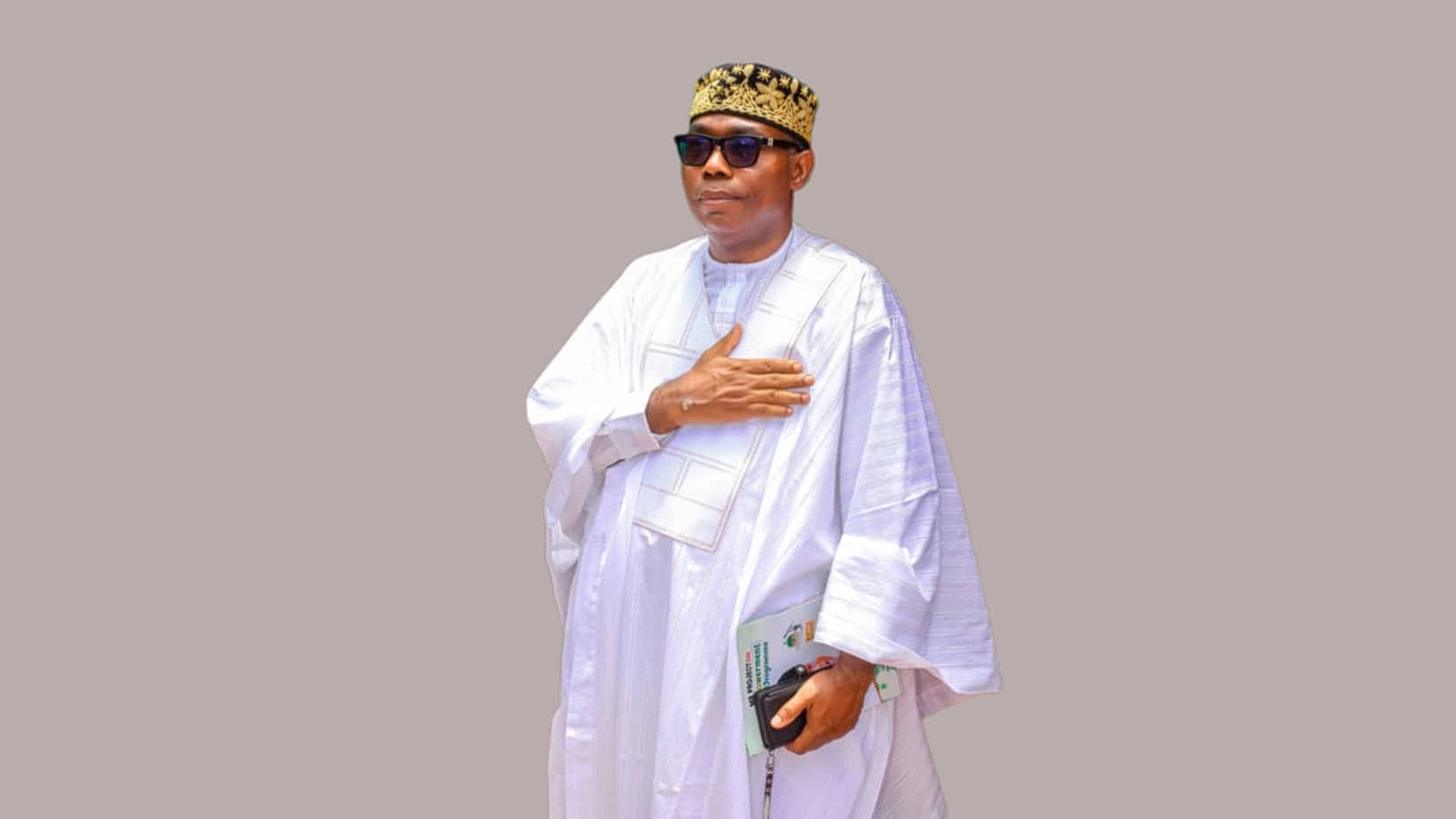
The Social Democratic Party (SDP) presidential candidate in the 2027 general elections, Prince Adewole Adebayo, has proposed increased domestic refining, lower logistics costs and expanded use of Nigerian gas as measures to make petroleum products more affordable and consistently available in the country.
Adebayo’s energy strategy, contained in his policy blueprint, Farewell to Poverty and Insecurity, comes amid rising petrol prices across the country and renewed concerns over how Nigeria’s oil resources can translate into cheaper energy and lower production costs for citizens and businesses.
The SDP candidate anchored his proposal on the principle that “Nigeria’s oil must first serve Nigerians,” arguing that domestic petroleum production should be strengthened to reduce the country’s dependence on imported refined products and limit costs associated with transportation and distribution.
At the centre of the proposal is increased domestic refining, with functioning Nigerian refineries expected to have transparent and reliable access to locally produced crude oil.
The blueprint proposes that government should publish crude allocation figures, enforce supply agreements and address logistics bottlenecks that increase the cost of moving crude and refined petroleum products.
Adebayo also proposed that any tax relief, preferential crude supply or other government concession granted to refineries should translate into lower prices for consumers.

Rather than imposing what he described as arbitrary pump-price controls, the blueprint advocates reducing the cost of petroleum products through increased local production, lower transportation and distribution expenses, greater storage capacity and stronger competition within the downstream oil sector.
The plan places particular emphasis on diesel, given its role in manufacturing, agriculture, telecommunications, construction, logistics and small businesses.
It proposes increased domestic diesel production as well as measures to remove unnecessary taxes, charges and distribution costs that add to the price paid by businesses and consumers.
On natural gas, Adebayo proposed greater utilisation of Nigerian gas for electricity generation, transportation, industrial activities and household cooking, alongside measures to reduce gas flaring.
Under the proposed targets for the first 18 months of government, the blueprint envisages increased crude supply to domestic refineries, higher local production of petroleum products, stronger strategic reserves and reductions in avoidable logistics costs.
According to the policy document, the ultimate measure of the strategy would be whether petroleum products become consistently available and whether lower transportation and energy costs begin to reduce the cost of doing business in Nigeria.

