GDN SIDEBAR
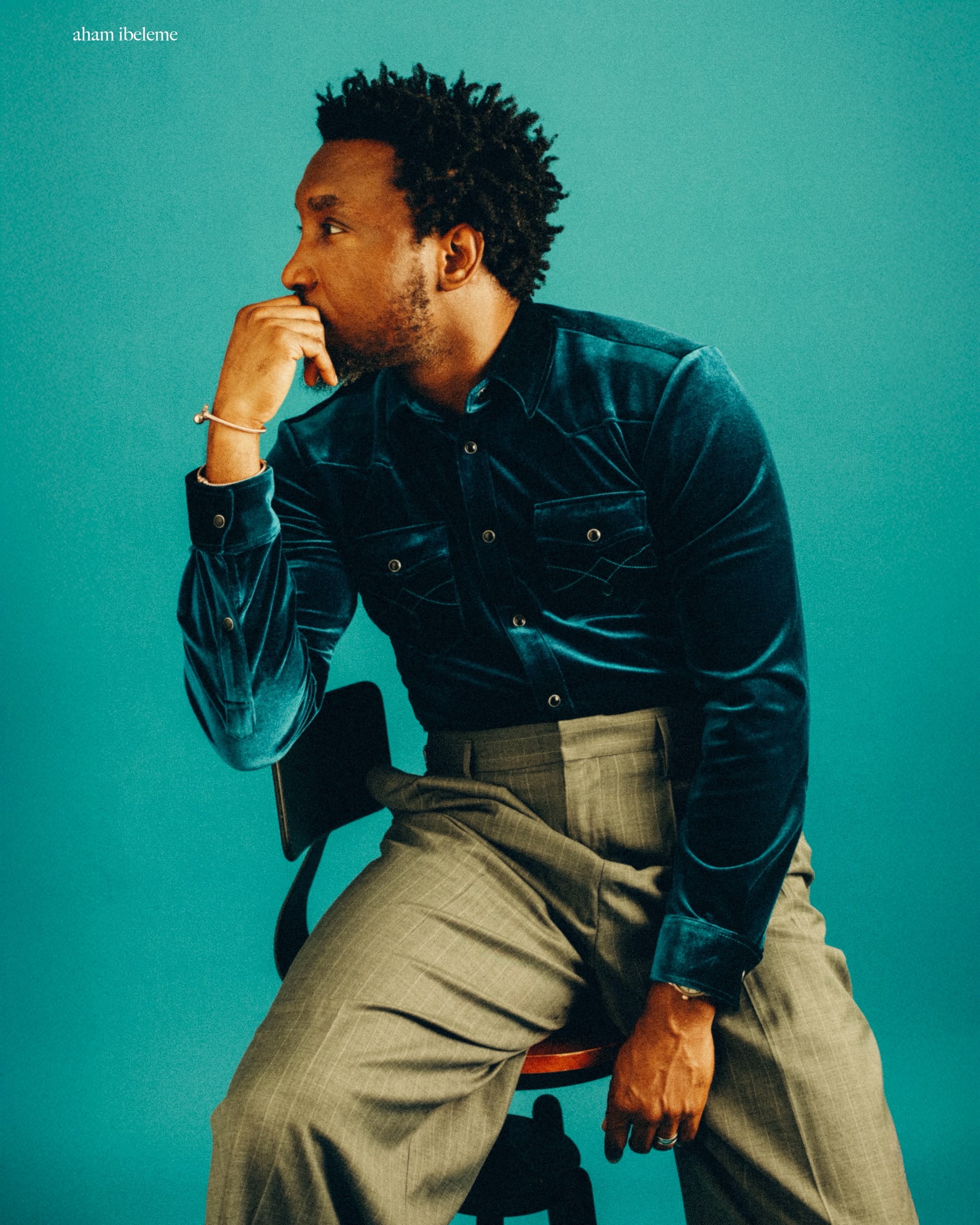
A song can wake Timi Dakolo from sleep. When it does, he grabs his phone and records whatever arrives, whether it is a melody or two unfinished lines. He has lost ideas to sleep before. Now, he acts before the moment disappears.
On Brotherly, Dakolo turns his attention to men who carry heavy responsibilities but rarely speak about the strain. He challenges the pressure to provide, stay strong and hold everyone together, even when life begins to break them. To him, the command to “be a man” can silence emotions until men lose themselves.
Dakolo entered music by accident, but he refuses to leave his craft to chance. He studies songwriting, questions every idea and removes anything that weakens the song. He also resists labels and algorithms that try to dictate his sound. If a song no longer carries the idea he started with, it is not finished.
Speaking in an exclusive interview with Guardian Life, Dakolo discusses Brotherly, growing up, his creative process, marriage and why he rejected a UK tour.
Your latest single, Brotherly, speaks to men who carry pressure quietly. What personal experience or conversation pushed you to the song?
The word “man” is synonymous with responsibility. I thought about it every day for a long time.

We have been taught as men not to express ourselves or be vulnerable because that is not considered a man’s thing. No matter how much the pressure is breaking your back, you are expected to remain calm. Do not let the world see it. Do not share it. Go through it quietly.
That is how a lot of men break. That is how many become numb, lose their minds, lose focus and lose themselves. Emotions are like energy, and energy must be expressed, lest it kill the host.
Nigerian men struggle. We are the people who are told to show up for everybody and keep everything together. We must keep our lives together while doing things for everyone else.
We are told not to question or argue about it. Just do it. “Be a man” is a very dangerous phrase, but it is what it is.
You have described yourself as an “accidental musician”, yet your writing process is deliberate. What did studying songwriting teach you that raw talent could not?
When I say I am an accidental musician, I mean it. Music was not the first thing on my mind. In fact, it was not on my mind at all.
I simply wanted to go to school, get a job or become my own boss and start something. But music came along. Like they say, sometimes you meet life on the road you take to avoid it.
Once I accepted that music might be the path for me, I began studying it. I studied everything I could. I wanted to understand what makes a great song, the beauty of writing impactful music and how a song can evoke emotion.
That is the kind of person I am. I value both knowledge and instinct because they play different roles in writing and singing. You must always find a balance.
Sometimes, knowledge gets in the way of creativity. But you cannot leave everything to talent either. You must add knowledge to it.
Take us into that moment: when an idea arrives, how do you know it deserves to become a song, and what happens between the first voice note and the final recording?
More often than not, I wake up with songs in my head. Sometimes, it is just two phrases. Other times, it is a beautiful melody.
It feels like you are sleeping and someone suddenly taps you. I have trained myself to know what to do when that happens.
Before now, I would tell myself that I would attend to the idea in the morning. But when morning came, I might no longer have it. The drive that comes with acting immediately may also be gone.
Sometimes, I failed to record the idea because I allowed sleep or laziness to win. But I have grown beyond that. Now, whenever an idea comes, I develop it a little, record it and do something with it.
Iyawo Mi became part of Nigerian wedding culture, while Great Nation found a life at national events. Does the public ever give a song a meaning you did not intend, and how has that changed the way you write?
When writing or developing an idea, one thing is very important: the first person you must please is yourself.
If the idea is true and comes from the soul, it becomes universal because everyone has a soul. People will connect with it.
I do not think the public has given my songs meanings different from what I intended. From the beginning, I always know what I want to say.
Sometimes, beautiful ideas come while I am writing, but if they do not belong in that particular song, I leave them out. I remain focused on the central idea.
I always tell myself, “Timi, this sounds good, but it does not belong in this song.” It may work in another song or another verse, but not in that particular one.
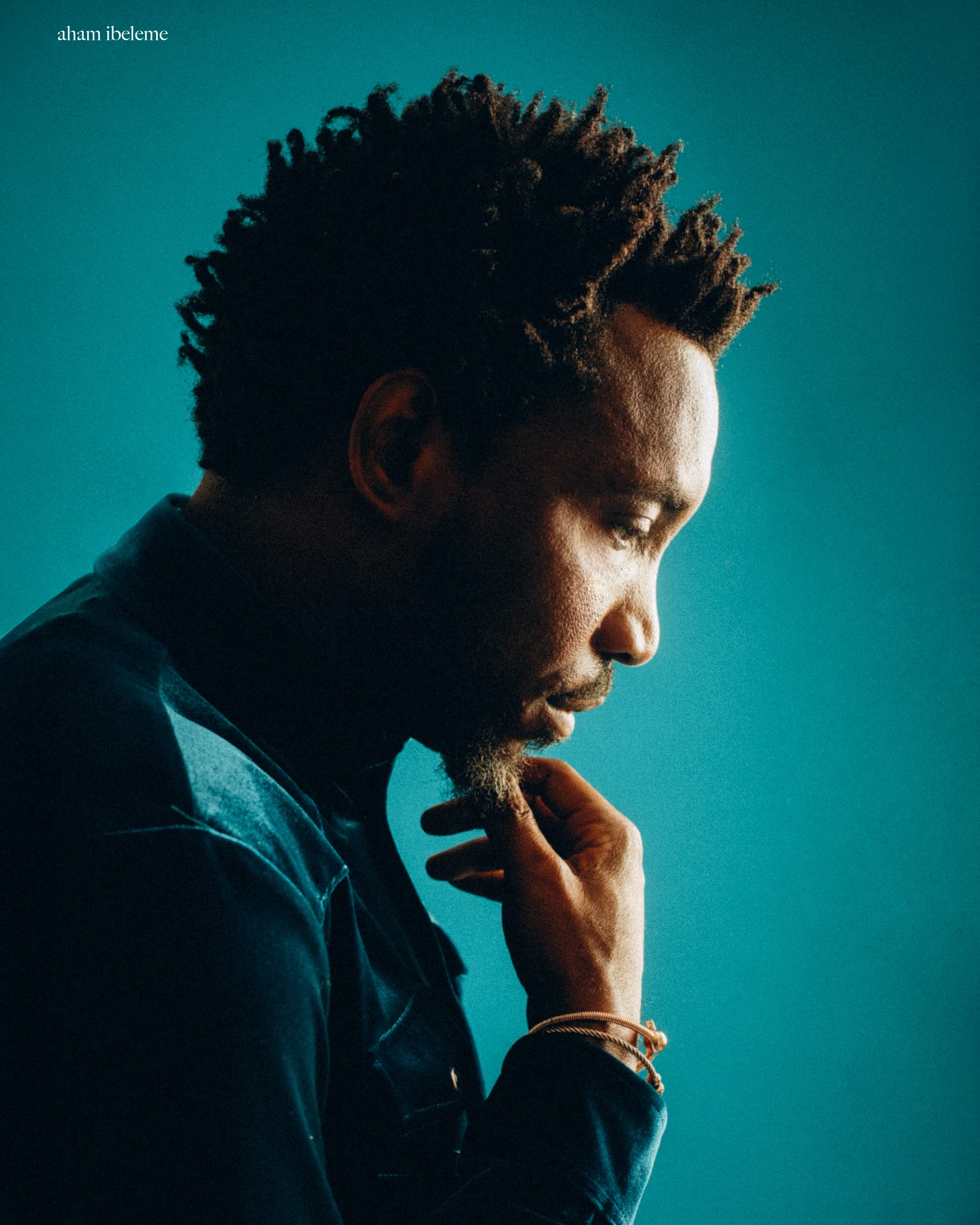
In an industry driven by labels and algorithms, has refusing a box protected your freedom or made your music harder to market?
I refuse to be boxed, and that is true. I sing music the way I hear and feel it.
I am the first person I want to please because it is my story to tell. The idea was given to me, and I heard it in a certain way, so I must sing it that way.
Honestly, I do not sing for algorithms. I sing for myself first. Sometimes, I let the music lead, and sometimes, I lead. It depends on the song and the collaboration between us.
I also do not want to be marketed in certain ways. I have a strong head. That is why I work with only a few producers who understand what I am trying to say. When the song is finished, I still want to recognise the original idea.
After nearly two decades in the industry, how do you experiment without losing the emotional honesty that made listeners trust your voice?
I have done this long enough to know what works for me and what does not. I have written songs that I knew were not meant for me.
I like to say what I want to say in a way only I can. Once you hear it, you should know that only Timi could have said it that way.
As they say, experience cannot be bought. You must live through certain things, and that comes with time.
I stay true to myself. I can tell myself, “Timi, your voice cannot carry this,” or, “Timi, this is not you. Give it to somebody else.”
Before I commit to an idea, I ask whether it is true, important and impactful. I question the idea and then question the answers. Eventually, I find a way to say what I want to say in a voice that remains mine, regardless of the genre.

You have said that too much knowledge can choke creativity and that songs are rewritten, not simply written. How do you silence your inner critic during the first draft, and how do you decide when a song is finally finished?
Sometimes, the song wants to lead. A song often knows what it needs, so you must follow it instead of forcing too many ideas into it. If it wants to be simple, allow it to be simple. Too much knowledge can get in the way of creativity and make a universal idea too complex.
One danger of being creative is wanting to say everything at once. Maturity comes from knowing what to leave out, so you still have something to say later. Learn the rules, then add, subtract and spice things up, but not too much.
What was growing up with your grandmother like?
I grew up with my grandmother in Port Harcourt, while my mum and aunties lived in Lagos. I did not know anybody else, just my grandma. It was a beautiful experience.
You and Busola have lived through seasons when your family became part of a difficult national conversation. What did that period teach you about love when public opinion becomes loud?
We stuck together because we knew what was true and important. We also understood the pressure that came with everything happening around us. We loved each other enough to weather every storm
We stuck together because we knew what was true and important. We also understood the pressure that came with everything happening around us. We loved each other enough to weather every storm
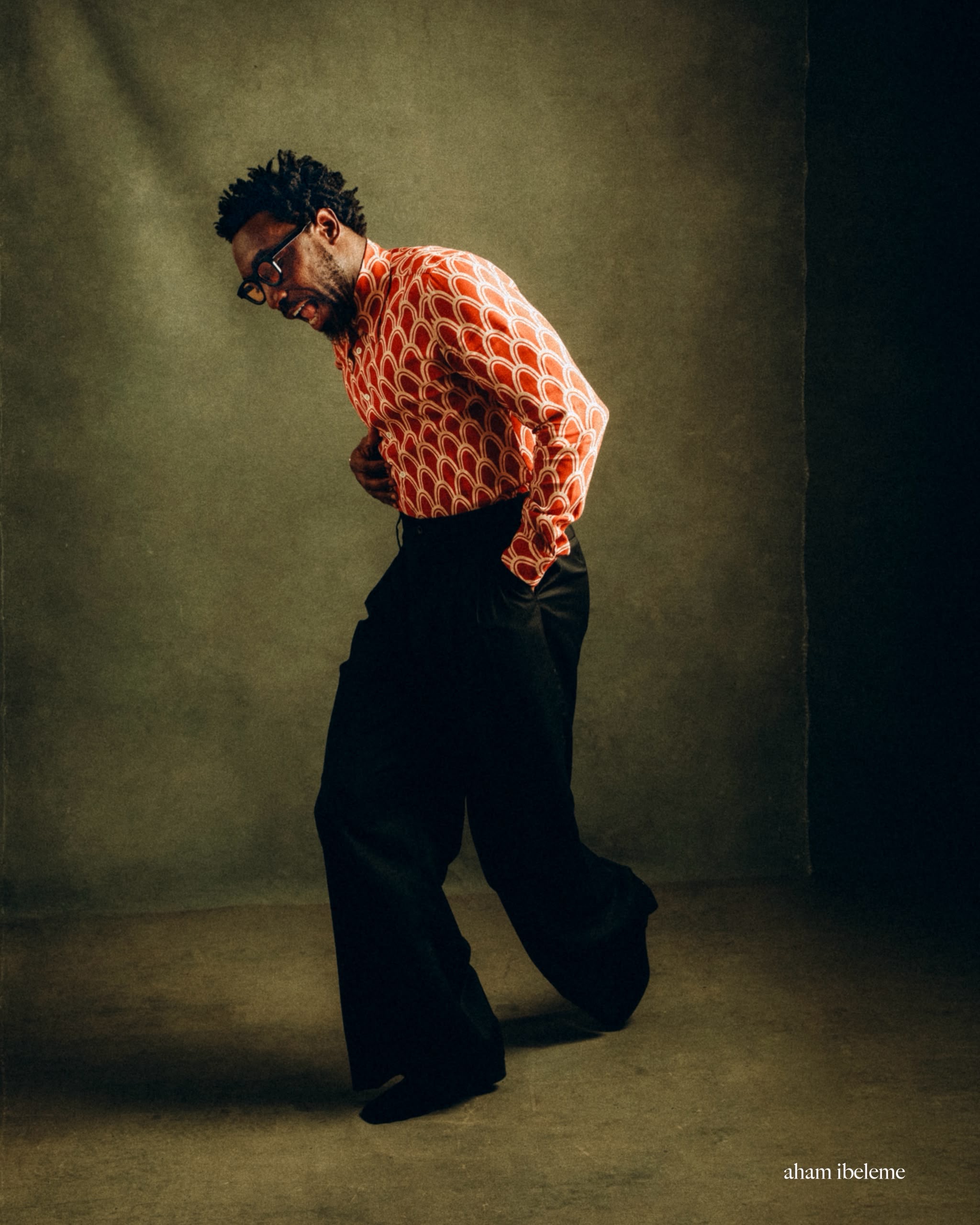
A recent disagreement linked to a proposed UK tour placed questions about contracts and integrity in the public space. What do you owe your audience when a private business dispute becomes public?
We were supposed to have a UK tour, but after one or two conversations, I realised the organisers were not technically prepared. I have worked too hard to travel to another country and deliver a mediocre show, so I told them to put their house in order and leave me out until they were ready.
I do not pay attention to claims that are untrue. Every show must meet the standard of those I have staged in Nigeria or America. I will not accept anything less.