 Follow Us on Google News
 Follow Us on Google Discover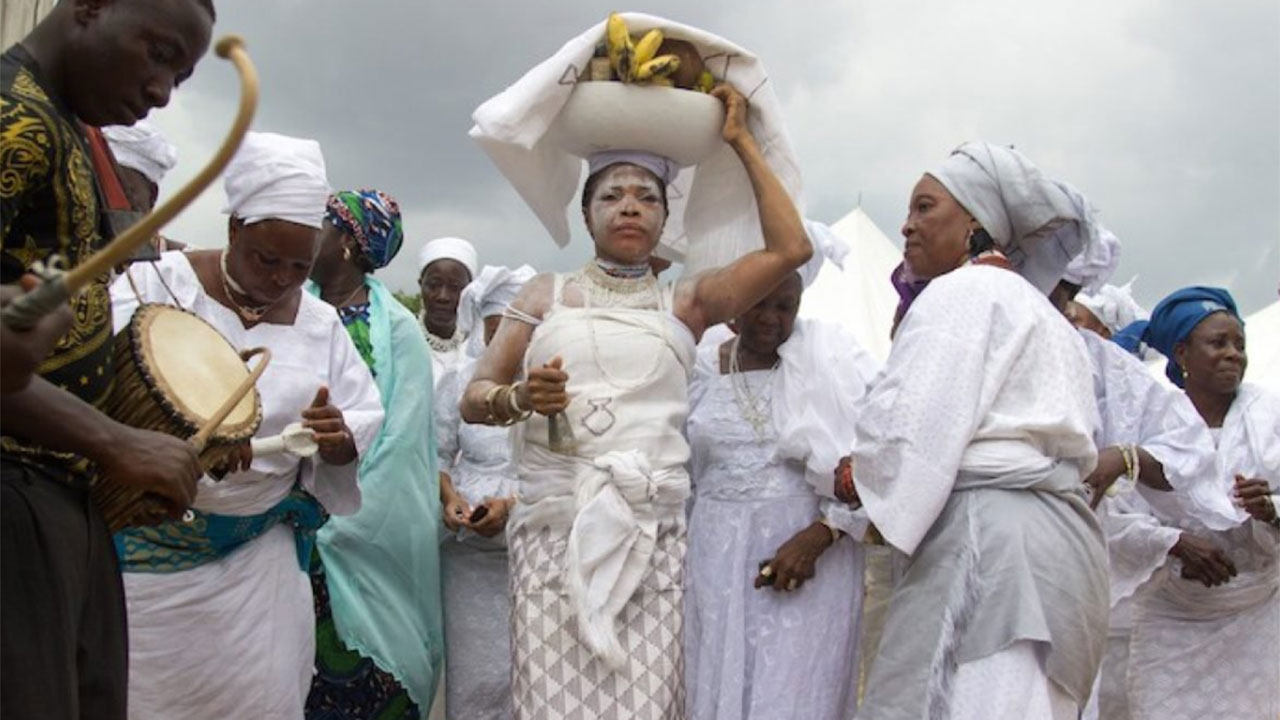
The move by Lagos, Ogun and Oyo states to commemorate Isese Day with the declaration of August 20 as a work-free day is a legitimate recognition of Yoruba cultural and religious heritage. It deserves to be welcomed as part of the wider obligation to preserve Nigeria’s diverse indigenous traditions. The preservation of culture, however, should be done discerningly. Languages, oral traditions, festivals, arts, knowledge systems and historical practices that enrich society should be protected. On the other hand, customs that violate human dignity, public health, equality or other legitimate social values should evolve or be jettisoned.
Isese Day points to an increasingly visible expression of Yoruba cultural identity. Beyond the recognition, it is important to take the discourse past the granting of a day off to workers. Focus must shift to what it means to preserve culture. While preserving a people’s memory is imperative, preserving every practice associated with that memory might not be. The holiday should, therefore, be seen as a window of opportunity to let in a fresh and more mature conversation about cultural preservation.
There is sufficient urgency to do this, no thanks to decades of hurt to cultural sensibilities caused by colonialism, religious intolerance, supposed modernisation and declining interest among the younger generation. But there are grounds for optimism, given the 2008 inscription of Ifa, an extensive corpus of texts, mathematical formulas, history, philosophy and knowledge transmitted through Yoruba communities, on the Representative List of the Intangible Cultural Heritage of Humanity.
The UNESCO inventory has demonstrated that the preservation of Nigeria’s cultural attributes can have scholarly and developmental dimensions. Indeed, culture survives only when its knowledge base is recorded, taught and made meaningful to younger generations. Besides yearly displays of costumes, processions, drumming and public celebrations, states must now use the occasion to encourage documentation, research, translation of oral literature, preservation of indigenous languages and cultural values, archival work, apprenticeships and responsible cultural tourism.
There is also a firm constitutional premise for this advocacy. Section 38 of the Constitution guarantees freedom of thought, conscience and religion, and to manifest and propagate religion or belief in worship, teaching, practice and observance. If this principle applies to Christianity and Islam, then it rightly does the same for traditional religion. It is the responsibility of government to grant equal protection, dignity and freedom to adherents. The three states have therefore done well in correcting an old imbalance in the public perception of indigenous faiths.
That said, the argument for preserving a people’s culture should not include all inherited practices. Yoruba culture has evolved through migration, trade, religion, political change, and contact with other societies. Isese, in itself, is not harmful. However, as society acquires new knowledge over time, there must be a revision of its moral judgments and values. A traditional practice might pulsate with historical or symbolic value, yet it needs to align with contemporary standards of safety, equality, children’s rights or public health, morality and safety.

Caution must be exercised to avoid turning the public recognition of Isese Day into political theatre. After the holiday is over, the three states should be able to demonstrate that their intentions were genuinely about preserving culture and enhancing policy. This will be tested by sustained and renewed commitment to sacred spaces, the preservation of traditional archives or state-backed support for learning traditional arts and knowledge.
There is one key question the states will have to handle tactfully. Having declared a holiday for a religious tradition, Lagos, Ogun and Oyo have unwittingly positioned themselves as shapers or influencers of that tradition. They have become patrons, and with patronage comes control, explicitly or implicitly. Sooner or later, the states may have to wade into the definition of what constitutes Isese or who genuine adherents are. Which custodians or groups get state backing? Which get sidelined? Which get the benefits of police protection and ‘juicy’ visits to Government House? These are delicate territories that have dogged Islam and Christianity over the centuries. Unless these are properly managed, the Isese heritage risks becoming the object of politicking.
By recognising Isese Day, the states are paving the way to reap additional dividends from cultural tourism. This presents an opportunity to build a serious cultural economy around festivals, museums, traditional crafts, music, fashion, food, performance, scholarship and heritage tourism. Rather than create another market from which outsiders extract value, the initiative, if properly followed through, should generate income for communities, encourage conservation and create opportunities for young people. The states are no strangers to cultural opportunities, but the more fields they have to play in, the merrier.
There is also a larger significance in the move. While Yoruba culture is the immediate beneficiary of the gesture, the nation’s pluralistic outlook is the better for it. Nigeria is culturally diverse. No one tradition has the carrying power to function as the default national culture. The takeaway from Isese Day is that every community deserves space to preserve its legitimate heritage within the constitutional order. The recognition of Yoruba traditional religion should therefore strengthen the case for protecting the cultural and religious traditions of other ethnic nationalities. What is sauce for the Yoruba must be sauce for the Hausa, Igbo, Ijaw, Kanuri, Tiv, Nupe and all. The renaissance of one or more cultures should by no means translate to the exclusion of others. Care should also be taken to ensure that these rights or privileges do not imply ethnic superiority. Rather than a reason to bicker, the Isese celebration can become a useful demonstration of how Nigeria should handle difference. Every tradition must be allowed to operate within constitutional space and be afforded the human dignity, respect and protection it deserves.
The need to preserve culture brings Nigeria to where the road bifurcates between cultural amnesia and cultural absolutism. There is no point going either way. The future rests in the middle: preserving what gives people their identity while at the same time reforming what is no longer consistent with the times. The declaration of public holidays has further pushed Isese into the spotlight. What the states do hereafter by way of policy and how the adherents manage the newfound recognition will tell whether Nigeria is ready to build a future in which tradition is preserved and passed on to oncoming generations.

