 Follow Us on Google News
 Follow Us on Google Discover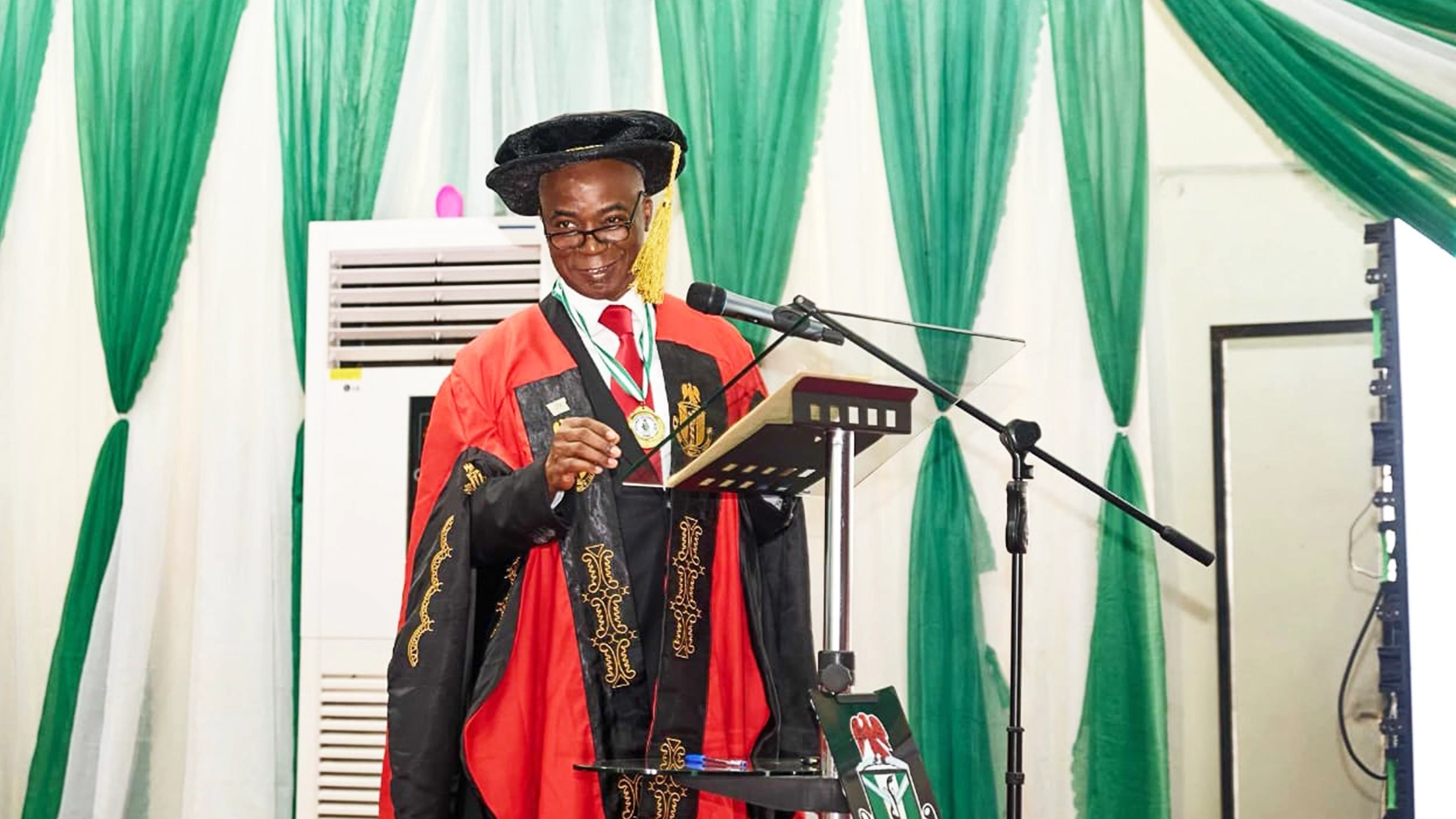
The Chancellor of Ekiti State University (EKSU), Ado Ekiti, Dr. Tunji Olowolafe has called for concerted efforts to reduce medical tourism and roll back brain drain in the Nigerian health sector.
Olowolafe spoke yesterday at the annual Convocation Ceremony of New Specialists and Doctors of Medicine at the National Postgraduate Medical College of Nigeria, (NPMCN) Lagos.
He said: “Every year, Nigerians spend enormous sums travelling abroad for medical treatment. Our ambition should be to reverse that trend: first, by building a healthcare system that Nigerians do not need to leave home to access, and ultimately, by making Nigeria a destination for patients from across Africa.”
The academic, who chairs the Tunji Olowolafe Foundation, described Nigeria as a country richly endowed with human resources capable of building world-class institutions, strong enough to step the health sector up and reverse negative trends.
“Nigeria has the talent and capacity to build world-class institutions. And nowhere is that more important today than in healthcare,” he said.
He stressed the need for Nigeria to maximise its pool of highly skilled and cerebral professionals to transform the country’s healthcare system and strengthen its capacity to provide quality medical services.

This, he noted, would help position Nigeria as a credible destination for specialised medical care and international referrals.
The healthcare development advocate, who trained as a medical doctor and obtained his MBBS from the University of Ilorin, expressed concern over the enormous sums spent annually by Nigerians on medical treatment abroad, noting that such expenditure contributes to the economies and healthcare systems of other countries.
Elaborating on how the desired transformation could be achieved, Olowolafe emphasised that investments in healthcare infrastructure and facilities must be matched by a corresponding investment in human resources if the desired transformation is to be achieved.
“We are already seeing signs of that future. But hospitals and equipment alone cannot deliver it. People will,” he said.
The educationist, who also bagged the college’s most prestigious award, the Honorary Fellowship (FNMC), at the ceremony, charged the new specialists and doctors to see themselves as agents of change, urging them to deploy their knowledge, skills and expertise towards the renewal and transformation of Nigeria’s healthcare system.
“You are those people. Keep learning, keep refining your craft, and help us build medical institutions in Nigeria that can stand alongside the best anywhere in the world,” he told the graduands.
Olowolafe also expressed appreciation to NPMCN for conferring on him an honorary fellowship, assuring the institution that he would continue to contribute meaningfully, within his capacity, to the advancement of medical practice and education in Nigeria.
Nigeria’s healthcare challenge remains significant. The Federal Ministry of Health and Social Welfare said in 2025 that the country could potentially retain an estimated ₦850 billion currently spent abroad on medical tourism annually, while the WHO-Africa Health Observatory Platform estimates that outbound health tourism costs Nigeria about US$1 billion annually.
The Tunji Olowolafe Foundation has continued to contribute to the revitalisation of hospitals, while also supporting medical education and specialist training.
In July 2026, the Foundation, in partnership with the National Postgraduate Medical College of Nigeria and the Faculty of Ophthalmology, Lagos University Teaching Hospital (LUTH), commissioned West Africa’s first EyeSi surgical simulator and inaugurated the Gbemisola Olowolafe Centre for Ophthalmic Simulation at the Guinness Eye Centre, Idi-Araba.

