 Follow Us on Google News
 Follow Us on Google Discover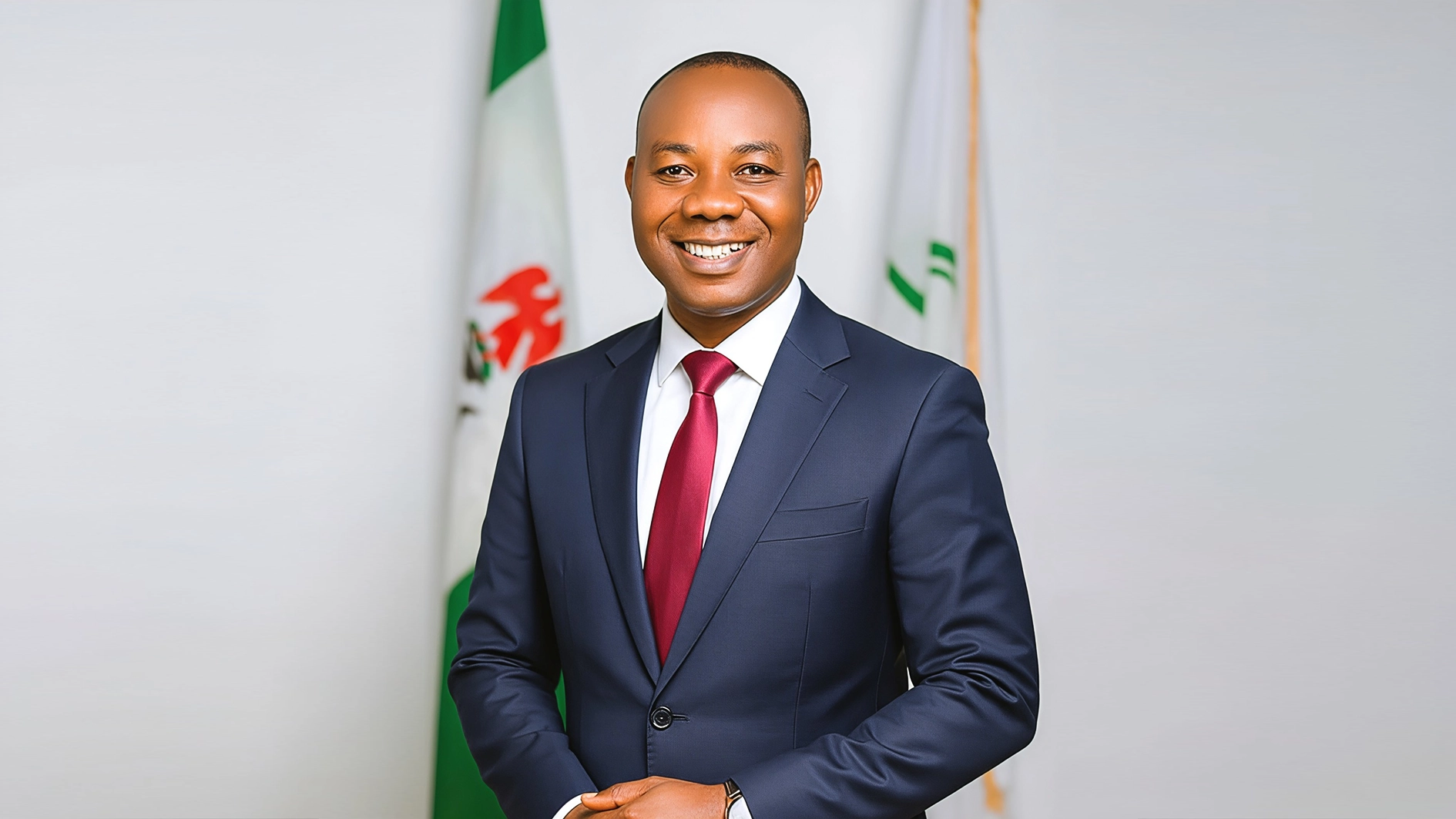
The Chartered Institute of Transport Administration of Nigeria (CIOTA) has announced its eighth National Transport Conference, with a call for stronger integration of Nigeria’s road, rail, maritime, aviation, inland waterways and pipeline transport systems.
The National President and Chairman of the Governing Council of CIOTA, Prince Segun Ochuko Obayendo, disclosed this on Friday at a press briefing in Lagos.
Obayendo said the conference, themed Integrated Multimodal Transport System for Sustainable Development in Nigeria, would bring together policymakers, transport professionals, investors, academics, development partners and operators across the various transport sectors.
He said Nigeria could not achieve sustainable development through isolated transport systems, stressing that roads, railways, seaports, airports and inland waterways needed to operate as a connected national network to reduce logistics costs, improve safety, boost trade competitiveness, create jobs and support economic growth.
He said the conference would focus on national multimodal transport integration, urban mobility, logistics and supply chain competitiveness, Intelligent Transport Systems and digital innovation, green transportation and climate resilience, public-private partnerships, infrastructure financing, professional capacity development and transport governance.
Obayendo also announced the unveiling of the CIOTA Gazette as a major highlight of the conference, describing it as an instrument to strengthen the institute’s regulatory standing, codify professional standards and provide legal backing for the practice of transport administration in Nigeria.

“For decades, transport administration in Nigeria has operated without the cohesive professional framework it deserves. The Gazette changes that,” he said, adding that it would establish clearer standards for practitioners, strengthen accountability and provide an institutional framework for reforms in the transport sector.
The CIOTA president invited government officials, transport regulators and operators, local government administrators, logistics companies, manufacturers, universities, research institutions, young professionals, development partners, investors and other stakeholders to participate in the conference, which he said was expected to produce recommendations for policy reforms and stronger professional practice.
The Chairman of the National Planning Committee, Dr. TaiwoOlufemi Salaam, said transportation was central to Nigeria’s economic and social development, noting that the country could not achieve sustainable development without an efficient system that allowed people and goods to move safely, affordably, reliably and efficiently.
Salaam said Nigeria’s transport system had developed largely around individual modes, stressing the need for effective connections among road, rail, water, air and non-motorised transport. He said each mode should perform the function for which it was most suitable rather than compete with the others.
According to him, rail could support the movement of passengers and freight over longer distances, waterways could facilitate the movement of people and goods, road transport could provide first- and last-mile connectivity, while air transport remained critical for long-distance and time-sensitive travel.
Salaam said better integration could reduce congestion, improve logistics and mobility, enhance road safety, lower environmental impacts and increase productivity, particularly as Nigeria’s cities and economy grow.
He added that the conference would examine the roles of technology, infrastructure, regulation, institutional coordination, investment and professional transport administration in achieving a sustainable multimodal transport system.

