 Follow Us on Google News
 Follow Us on Google Discover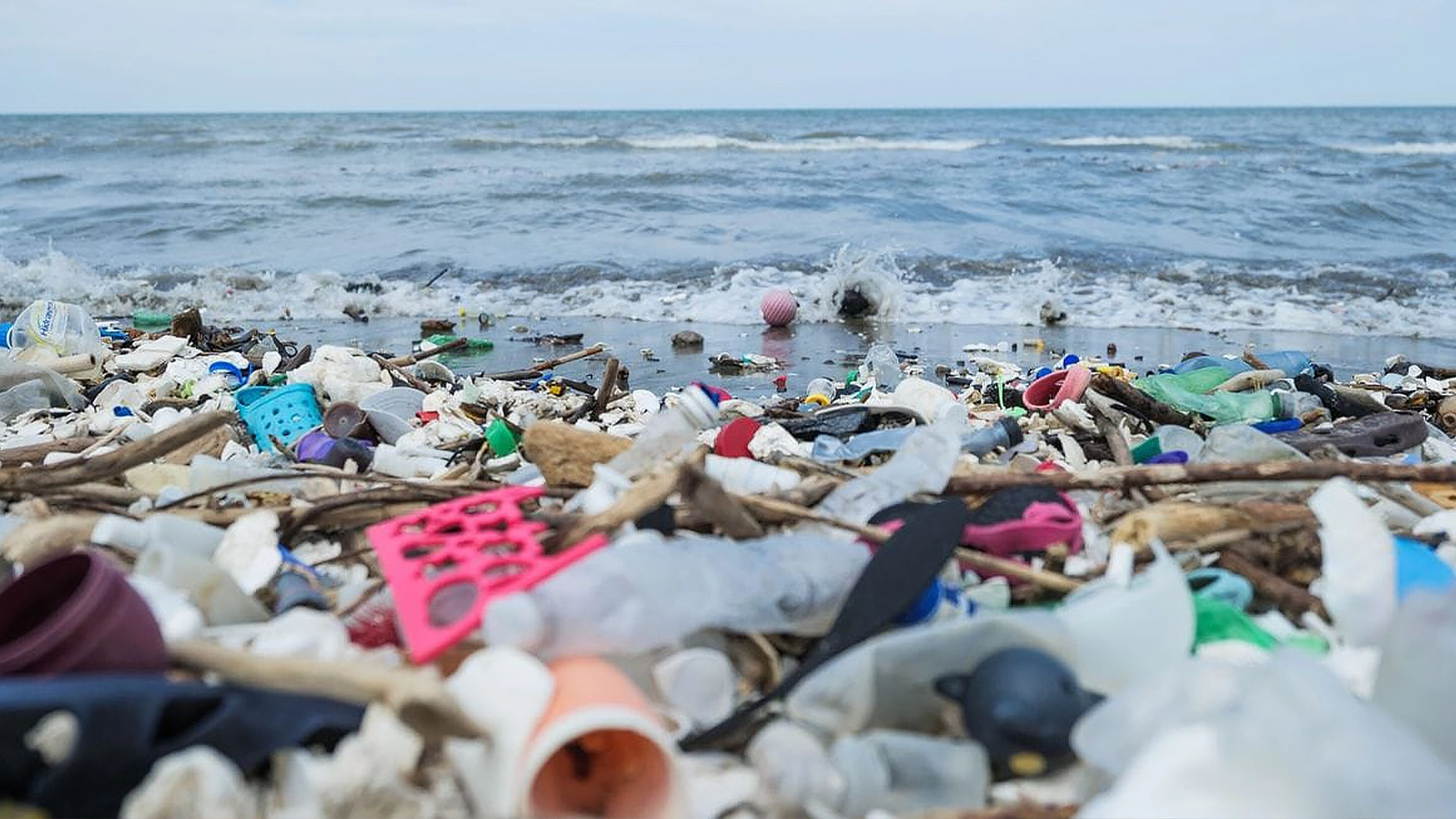
Hundreds of abandoned vessels, wrecks, and other marine litter are scattered across Nigeria’s waters, threatening navigation channels, the environment, and coastal communities’ livelihoods. Yet, the government has failed to mainstream the N100 billion waste-to-wealth opportunity into the economy, ADAKU ONYENUCHEYA reports.
Nigeria’s waterways are littered with abandoned and submerged vessels, derelict barges, scrap metals and other forms of marine waste, amounting to about 200,000 tonnes.
These wrecks and marine wastes have created navigational hazards and environmental concerns, while also representing a potentially valuable source of economic opportunities that remain largely untapped.
With the mostly affected hotspots to include Lagos ports and jetties, Badagry, Onne, Bonny, Bayelsa, Rivers, Akwa Ibom and Calabar, experts said the same marine litter could be transformed from navigational and environmental liabilities into economic assets if Nigeria developed the infrastructure, regulatory framework and industrial capacity required to recover and recycle them locally.
Scale of abandonment
Many vessels were abandoned by owners, both local and foreign, who found proper disposal too costly or too bureaucratic. Also, the poor waste disposal systems of state governments contributed to marine litter, especially when it rained, plastics and other waste were washed into waterways.
Over decades, these wrecks and marine litter have accumulated in high-traffic zones, including Lagos waterways, where historically over 50 shipwrecks and dozens of barges were reported in 2021, Rivers State/Onne Port areas, and coastal stretches.

A 2025 study on shipwreck management in Rivers and Onne Port complexes found that abandoned wrecks obstructed shipping lanes, damaged fishing gear, created environmental hazards and served as potential hubs for illegal activities.
Reliable assessments put the steel trapped in Nigeria’s abandoned wrecks at around 200,000 tonnes. At the estimated current scrap and recycling values, this constitutes a ready-made stockpile of raw materials worth approximately N30 billion.
Deputy Vice-Chancellor, Academic and Professional Programmes, City University Cambodia, Prof. Alfred Oniye, confirmed that over 200,000 tonnes of recoverable steel were trapped in abandoned vessels across Nigeria’s waterways, describing the situation as a largely untapped waste-to-wealth opportunity.
He said Nigeria was sitting on an estimated N80 billion worth of recoverable steel trapped in abandoned ships and marine wrecks.
Oniye said properly harnessing these marine wrecks and waste could create thousands of jobs, boost the steel recycling industry and improve maritime safety.
“Nigeria’s maritime wrecks are not just environmental hazards; they are a hidden industrial goldmine. With decisive government action and private sector investment, the country can transform this N80 billion liability into a wealth-generating industry that creates jobs, strengthens steel production, and secures safer waterways,” he said.
Director of International Trade at the Maritime Researchers and Authors Association of Nigeria (MARASSON), Sunday Ademuyiwa, said Nigeria’s waters were littered with death traps, with over 200 wrecked vessels lying along the Lagos coastline alone, stretching from Badagry to Epe, while hundreds more are recklessly abandoned along the country’s 853 kilometres coastline cutting across Akwa lbom, Bayelsa, Cross River, Rivers, Delta, Ondo.
According to him, each vessel holds about 5,000 tonnes of iron and steel, for a total of about 1 million tonnes.
Ademuyiwa noted that the global cost of removing a wreck was estimated at $45,000 to $120,000, but in Nigeria, it costs at least $1.8 million to tow a vessel abroad for scrapping due to the country’s lack of local recycling capacity.
Human and safety cost
Submerged or semi-submerged wrecks and marine wastes are invisible hazards, especially at night, in poor visibility, during tidal shifts, or in narrow and busy channels.
They cause collisions and groundings, damage to propellers, hulls and engines of vessels, as well as catastrophic losses for small-scale fishermen whose wooden or fibre boats are easily ripped apart by hidden metal
These are also responsible for many of the boat accidents on the country’s inland waterways, leading to loss of lives and leaving many severely injured.
Boat accident studies in Nigeria’s waterways consistently list wrecks, marine waste, and obstructions in navigation channels as contributing factors alongside human error.
Clearing these wrecks and marine wastes directly prevents accidents by opening obstructed shipping lanes and fairways for navigation.
It also protects the thousands of artisanal fishers and local boat operators who lose nets, engines, and sometimes lives to hidden metal, wood, and plastic.
Reducing the likelihood of chain-reaction incidents in congested anchorages or during manoeuvring, like the recent Bonny Channel incidents, highlights the risks of tight waterways.
This also lowers the overall risk profile of the waterways, making them more navigable and attractive to responsible international shipping lines, commuters and supporting the competitiveness of port facilities
Environmental and social toll
Marine litter and rusting wrecks leach heavy metals, oil and other pollutants into marine ecosystems.
They accelerate coastal erosion by altering wave patterns and had ong been blamed for damaging mangroves, beaches and fishing grounds.
Fishing communities suffer lost catches, damaged gear, and restricted areas, a direct hit to livelihoods in coastal states.
The Managing Director of Harsecom Logistics Limited, Haruna Omolajomo, said these wrecks and marine litter block the channels, cause accidents, leak oil, kill fish and mangroves, and increase insurance premiums for any vessel coming to Nigeria because the waters are declared unsafe.
He said leaving them there was costing Nigeria more than removing them, noting that with the country having domesticated the Nairobi Convention on Wreck Removal, ship owners must have insurance to cover removal with NIMASA the sole authority to remove them.
“So the government does not need to look for money – the polluter pays,” he said.
Missed opportunity
Nigeria can process wrecks and marine litter as circular-economy assets rather than treating them solely as costly liabilities to be towed away and dumped.
Providing an estimate of the value, Omolajomo said that, at an estimated N150,000 per tonne of scrap steel, about N30 billion worth of value was lying on the seabed.
“Add copper, brass and engines that can be refurbished and auctioned, as well as the value of cleaner channels and safer navigation, and you are looking at more than N100 billion in total economic impact,” he said.
Ademuyiwa said that, at about $600 per tonne in the global market, the recovered steel represented a significant economic opportunity that could supply local steel mills, rebar producers and structural steel factories, thereby reducing the country’s dependence on imports.
Stakeholders noted that a dedicated ship recycling industry could generate thousands of direct and indirect jobs in salvage, cutting, transport, processing and ancillary services — particularly valuable for youth employment in maritime states.
The availability of modern, regulated recycling yards could drive industrial development, with NIMASA having already identified facilities in the Kirikiri area of Lagos that could evolve into a proper ship-recycling cluster, complementing ship repair and eventually supporting shipbuilding ambitions.
Also, plastics and hyacinth are recycled to produce bags and other household items.
Through Public-Private Partnerships (PPPs), the auction of recoverable vessels, revenue-sharing models, and taxes on recycled output, the State governments could offset removal costs and generate net income.
Oniye, however, estimated the value of the recoverable steel at over N80 billion in potential raw materials for the steel and recycling industries.
FGs efforts and gaps
The Federal Executive Council (FEC) approved a large-scale wreck and marine waste removal programme years ago, with funding proposals, including an earlier N10 billion allocation, having been discussed.
NIMASA had also issued marine notices, conducted some removals and maintained a wreck removal framework.
Yet many wrecks and marine litter persist because of jurisdictional overlaps, funding and equipment constraints, legal challenges in establishing “ownerless” status and liability and historical issues with contractors performing only partial work, leaving submerged hazards.
Experts have advocated for notices to owners, time-bound removal, the auction of viable vessels, and the recycling of others.
They have also called for a comprehensive master plan involving NIMASA, the Nigerian Ports Authority (NPA) and the National Inland Waterways Authority (NIWA), along with investment in specialised equipment, magnetometers, heavy-lift salvage gear and training.
The maritime experts noted that Nigeria needed to develop and publish a national shipwreck removal and recycling master plan with clear timelines, responsibilities involving NIMASA as lead, NPA and NIWA as support bodies
They noted that continued inaction meant Nigeria keeps losing on multiple fronts, including the untapped value, ongoing accident and pollution costs, lost fishing revenue, higher shipping expenses and forgone industrial growth.
Ademuyiwa suggested on the Lagos lagoon, firms should partner with NIWA for waterways clean up to turn plastic and water hyacinth into recycling and biofuels,
Omolajomo urged the country to stop treating wreck and marine waste removal as a government clean-up exercise and instead as a business.
“Give three zones – Lagos, Warri, Port Harcourt – to competent Nigerian companies under PPP. Let them remove, recycle in partnership with the Nigerian Railway Corporation (NRC) foundry and private steel mills and share revenue.
“Enforce it strictly. Within 24 months, we will clear our waters, create 10,000 jobs for our coastal youths, feed our steel plants, and make our ports more competitive,” he said.
Meanwhile, the NIWA has signed a 10-year concession agreement with Parts Central Limited to clean up the country’s waterways.
The Managing Director of Parts Central Limited, Henry Onifade, said Nigeria could turn the growing volume of plastic waste, water hyacinth and other marine litter clogging its waterways into economic wealth through recycling, biofuels and other value-added processes.
Declaring that “we don’t have waste anymore; waste is now wealth,” Onifade said the initiative was designed not merely to remove waste from Nigeria’s waterways but to develop sustainable systems for converting recovered materials into useful products.
He explained that biodegradable materials collected during the clean-up would not simply be discarded, noting that they could be processed for various applications, including biofuels and other products.
According to him, the company was also examining technologies for sorting and processing plastic waste for recycling, stressing that the objective is to create an economically viable circular economy around Nigeria’s waterways.
Onifade explained that the company had spent considerable time testing various technologies and devices to tackle waterway pollution, adding that the exercise would eventually involve manufacturers and other stakeholders in the plastics and waste-management value chain.
He stressed that the long-term vision was to create a nationwide system in which waterways would not only be cleaner but also become sources of employment, enterprise, and wealth creation.

