 Follow Us on Google News
 Follow Us on Google Discover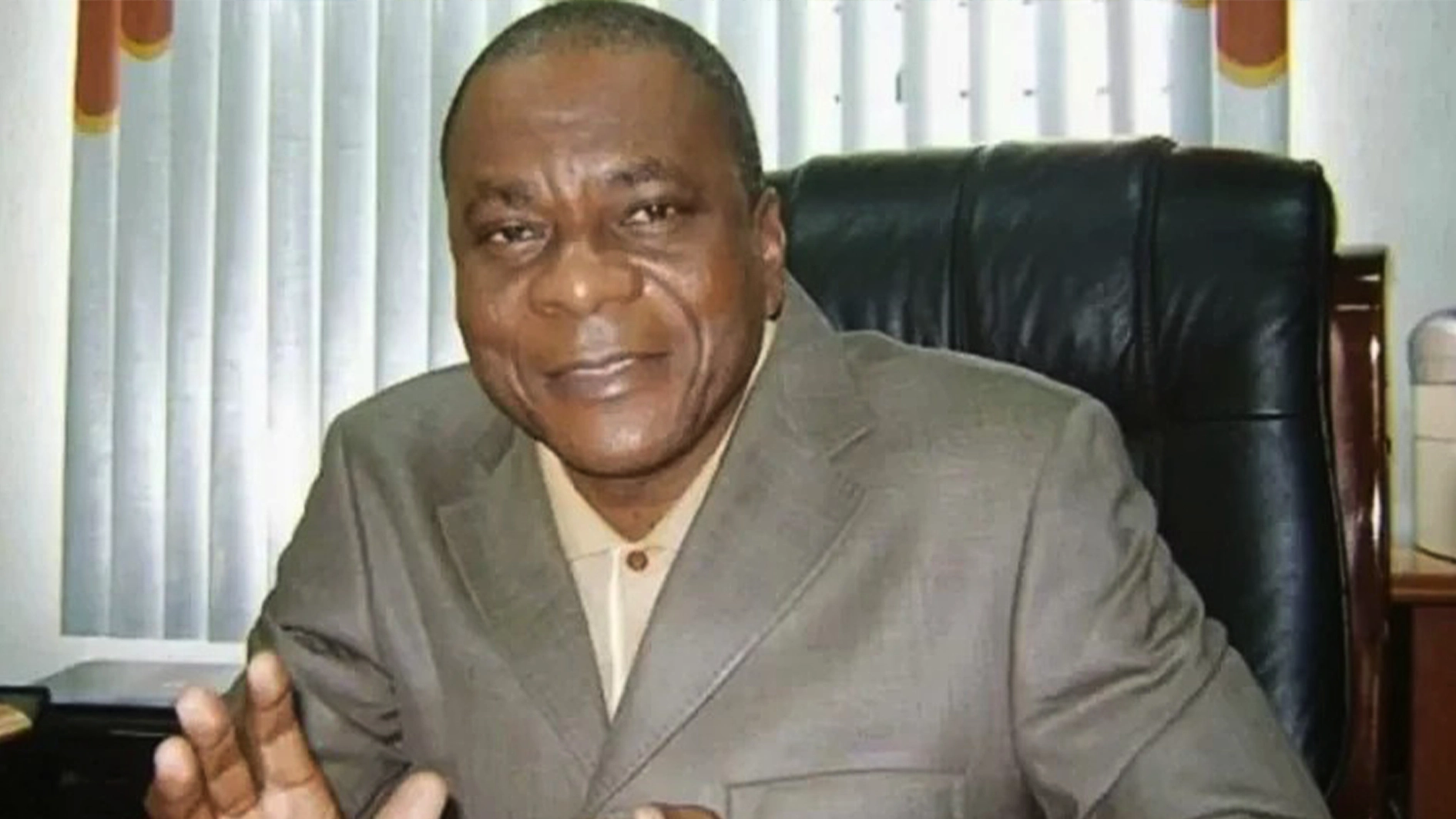
The National President of the National Council of Managing Directors of Licensed Customs Agents (NCMDLCA), Lucky Amiwero, has said the proliferation of seaports without adequate infrastructure and cargo destinations was contributing to inefficiencies in the country’s maritime sector.
Amiwero insisted Nigeria did not need too many seaports, but should instead focus on developing an efficient deep seaport capable of handling the country’s cargo and transshipment business.
He spoke during the unveiling of his achievement nomenclature on interventions in various national economic issues, organised to mark his 73rd birthday in Lagos.
Amiwero urged the government to concentrate on developing a major deep seaport that could serve as a transshipment and loading centre, rather than establishing several ports that lack the infrastructure and cargo to operate efficiently.
Amiwero said Nigeria was already losing transit and transshipment cargo to neighbouring countries, including Ghana, Togo, Benin Republic and Cote d’Ivoire.
He said the country had a large share of cargo within the West and Central African sub-region, about 78 per cent, but was not benefiting adequately because of inefficiencies in its port system.

Comparing Nigeria’s port system with that of Ghana, the maritime professional said Ghana had fewer ports, but was attracting higher cargo throughputs because of efficiency.
Amiwero said Nigeria needed to engage professionals and maritime experts, rather than politicians, in addressing the challenges facing the port industry.
“We must bring in experts, not politicians, to change the narrative of the port industry. Our port is suffering because of lack of procedures that are not properly enhanced,” he said.
The NCMDLCA President also advocated increased transshipment activities at the ports, noting that the country would benefit economically from attracting mother vessels.
He explained the failure to attract such vessels meant Nigeria was losing the associated freight and other economic benefits to neighbouring countries.
Amiwero further criticised what he described as political interference in port and customs operations, urging the government to ensure that the maritime sector was administered according to clear laws and professional standards.
He also called for clarity on port concession and lease arrangements, particularly where agreements had expired.
According to him, Nigeria must harmonise the activities of relevant stakeholders and develop a legally grounded framework for managing the country’s ports.
The customs agents’ leader, however, called for the establishment of a committee of maritime experts to review the country’s entire port ecosystem, noting that this was necessary to address the challenges confronting the ports and develop a system that would enable Nigeria to compete effectively with other countries in the West and Central African sub-region.
Speaking on his new books, Amiwero said his interventions in Nigeria’s economic affairs and in the formulation and implementation of maritime policy over the years were documented in the books unveiled at the event.
He said the publications covered issues involving importers, licensed customs agents, manufacturers, government agencies, finance, budget, transport, trade and investment, customs, the Nigerian Ports Authority, the Shippers’ Council and maritime labour.
He added that his interventions over the years were extensive and could not be fully captured in a few publications.

