 Follow Us on Google News
 Follow Us on Google Discover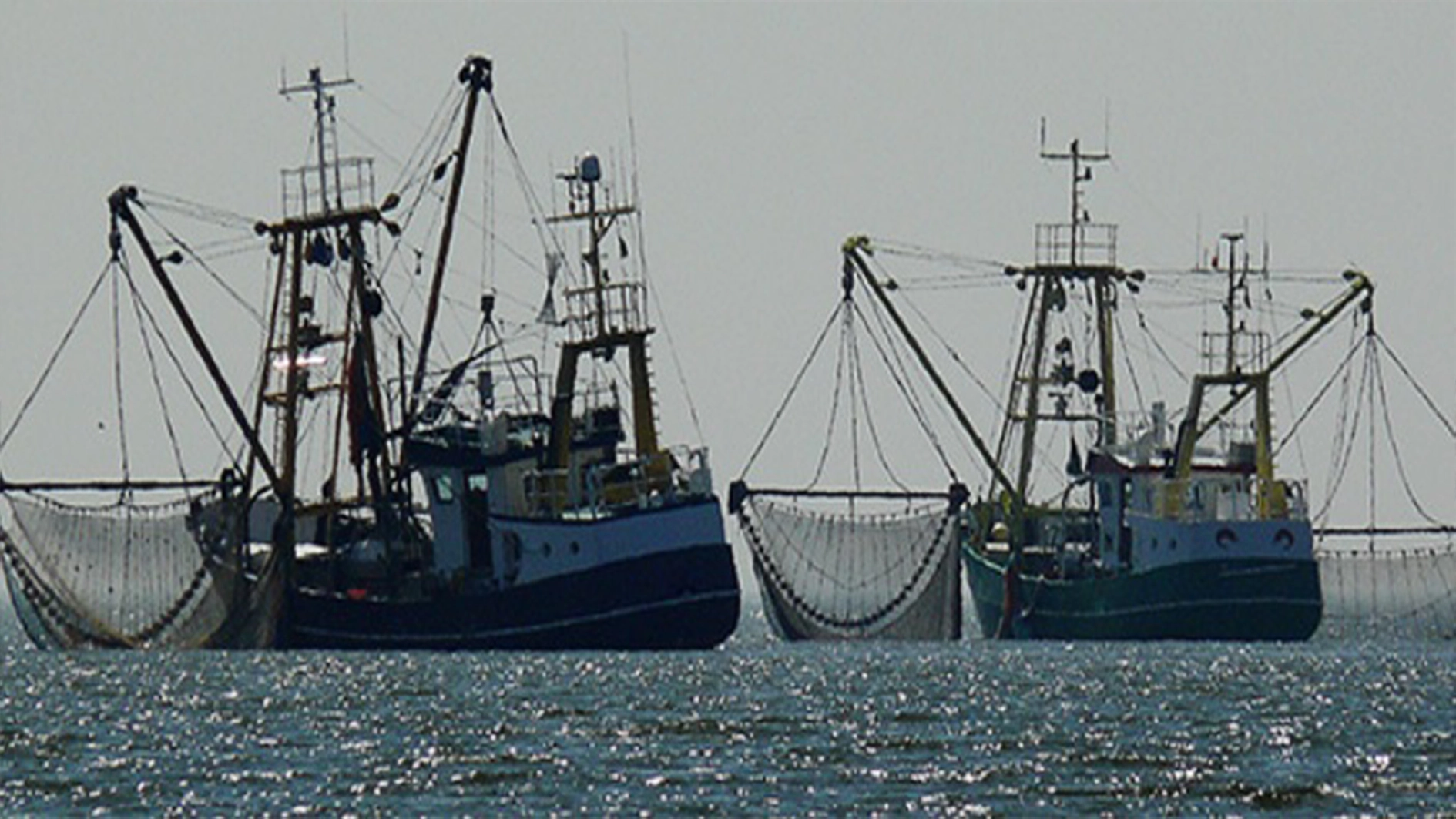
Nigeria’s fishing industry requires coordinated intervention across infrastructure, regulation, industrial production, research, skills development and human capital to unlock its potential for food security, employment and economic growth.
This would form part of the focus of the Maritime Correspondents’ Organisation of Nigeria (MARCON) Conference on ‘Sustainable Fishing in Nigeria,’ scheduled for September 30, 2026, in Lagos.
The conference would bring together key institutions across the fisheries and maritime sectors to examine the challenges that limit industry growth and identify practical pathways for sustainable development.
The breadth of the issues to be examined was reflected in the topics to be presented at the conference, covering industrial fishing, fisheries value chains, maritime and port economic regulation, marine science, port infrastructure and logistics chain, skills development and human capital.
Heads of agencies, including the Managing Director of the Nigerian Ports Authority (NPA), Dr Abubakar Dantsoho; the Commissioner, Lagos State Ministry of Agriculture and Food Systems, Ruth Olusanya; Director-General of the Nigerian Ports Economic Regulatory Agency, Dr Pius Akutah; Director-General, Nigerian Maritime Administration and Safety Agency (NIMASA), Dr Dayo Mobereola, would examine the role of port infrastructure, economic regulations, maritime logistics, marine science and research in sustainable fisheries development.
Also expected to address the issues are institutions and operators, which are the Director, International Ocean Institute — Nigeria Centre, Nigerian Institute for Oceanography and Marine Research, Akanbi Williams and the Provost of the Federal College of Fisheries and Marine Technology, Dr Paul Onuoha, the President-General of the Maritime Workers Union of Nigeria, Francis Bunu Abi and the President, Nigerian Trawlers Owners Association (NITOA) Benedicta Okonkwo.

Chairman of the Conference Planning Committee, Paul Ogbuokiri, said the conference was designed to bring together the different components of the fisheries and maritime sectors in a single conversation.
Ogbuokiri said the participation of regulators, industry operators, researchers, training institutions, labour representatives and other stakeholders would provide an opportunity to examine the fishing industry from production through logistics, regulation, human capital and market development.

