 Follow Us on Google News
 Follow Us on Google Discover
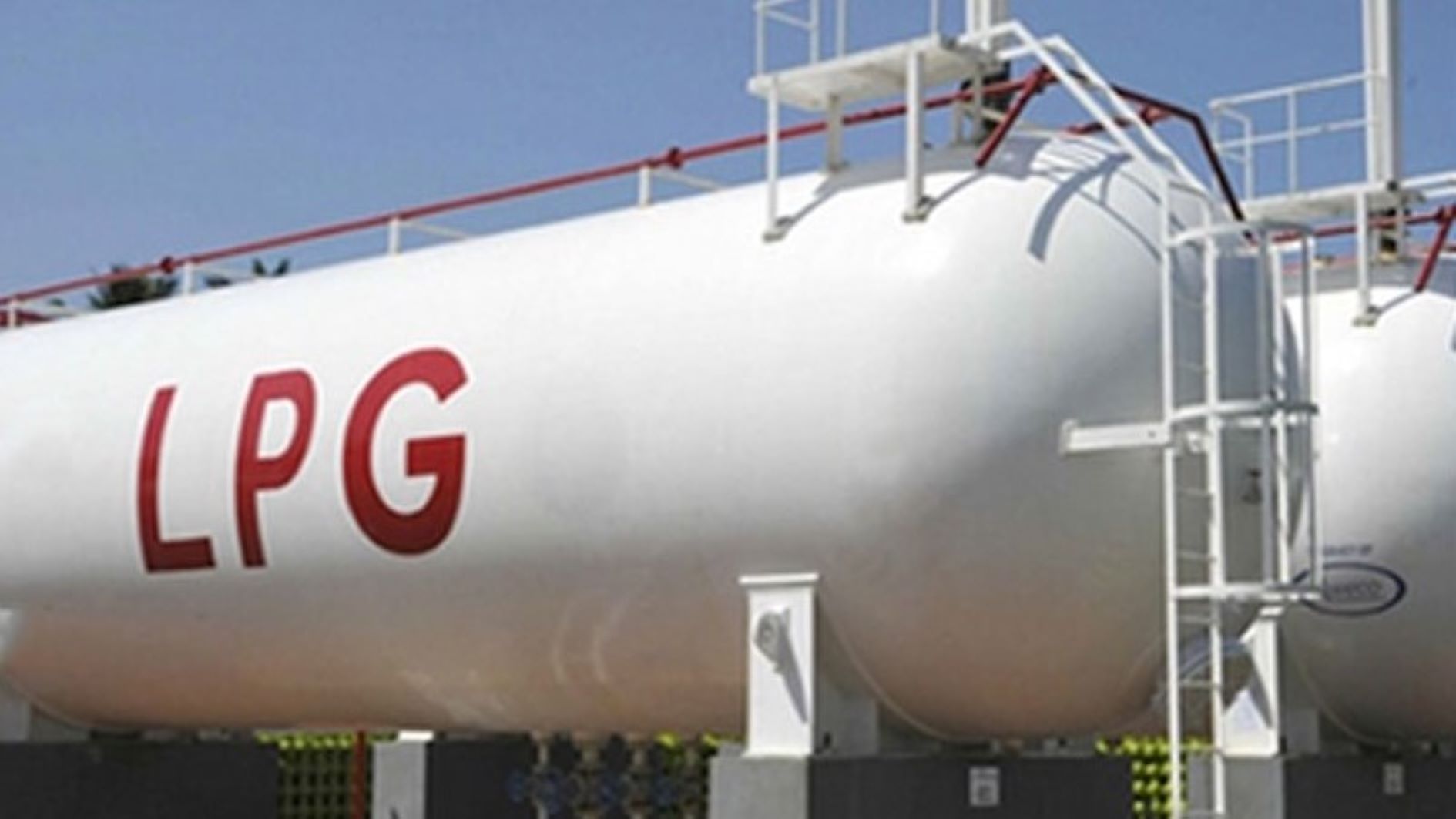
Asiko Energy has completed the mechanical phase of its LPG and propane terminal in Ijora, Lagos, with the company targeting its first ship cargo in November and promising to use the facility to access cheaper LPG grades that can be blended to reduce the cost of cooking gas.
The Managing Director of Asiko Energy, Felix Ekundayo, disclosed this yesterday at the completion ceremony of the company’s fully mounded LPG and propane terminal, an MDGIF-sponsored project, saying the facility was designed to receive different grades of LPG and blend them to meet the specifications required for the domestic market.
According to him, the terminal would enable Asiko to receive LPG from the Nigeria LNG Limited (NLNG) and other Nigerian producers, while also providing access to products that could be sourced more cheaply and blended for the cooking gas market.
He said the blending capability was one of the major advantages of the facility, noting that the company had installed infrastructure that would allow blending during cargo discharge.
“We’ve built this facility to receive other types of LPG that are cheaper. There are other producers out there that make cheaper LPG. It’s not the right specification, but it can be blended to make the right specification, which will help us drop down the price of cooking gas,” he said.
He said the terminal’s blending system would allow products to be blended automatically as cargoes are received, while existing blending pumps would also provide an alternative method of blending the product into storage tanks.
The Asiko terminal, whose development commenced in 2022, is the first phase of the company’s planned tri-fuel gas infrastructure, covering LPG, propane and LNG. The project information places the LPG and propane storage capacity at approximately 5,000MT, with five 1,000MT propane-rated storage tanks.
The terminal is connected to three jetty points at Apapa Port through a 1.7-kilometre underground pipeline, providing access to coastal supply infrastructure while positioning the facility for distribution into Lagos and the hinterland.
Ekundayo said the facility had reached mechanical completion, with instrumentation and electrical works now to be completed before the first cargo arrives.
“What we are doing here today is the mechanical completion. So there’s a stage called mechanical completion, and then the next stage after this is instrumentation and electrical, where we put in all the wires, all the valves are tested, all the emergency systems are tested. We’re going to complete those within the next few weeks, and we’re looking forward to receiving the first ship cargo in November,” he said.
Ekundayo said the company also planned to enter CNG, noting that Asiko had two locations where CNG facilities were planned.
Ekundayo added that Nigeria needed to do more to monetise its gas resources, warning that gas flaring imposed a costly burden on the economy.
“No, I do not think that we have monetized and maximized the use of our own resource, for every dollar of gas that we flare, we have to replace it with $30 to $40. It is not the prudent thing to do,” he said.
He said the priority should be to deploy gas to displace other fuels and support economic growth, adding that Asiko’s immediate concern was securing financing for subsequent phases of its infrastructure development.
Firm targets cheaper cooking gas as LPG terminal nears take-off
Date: 30 September 2026 4:20am WAT
LPG
LPG

