 Follow Us on Google News
 Follow Us on Google Discover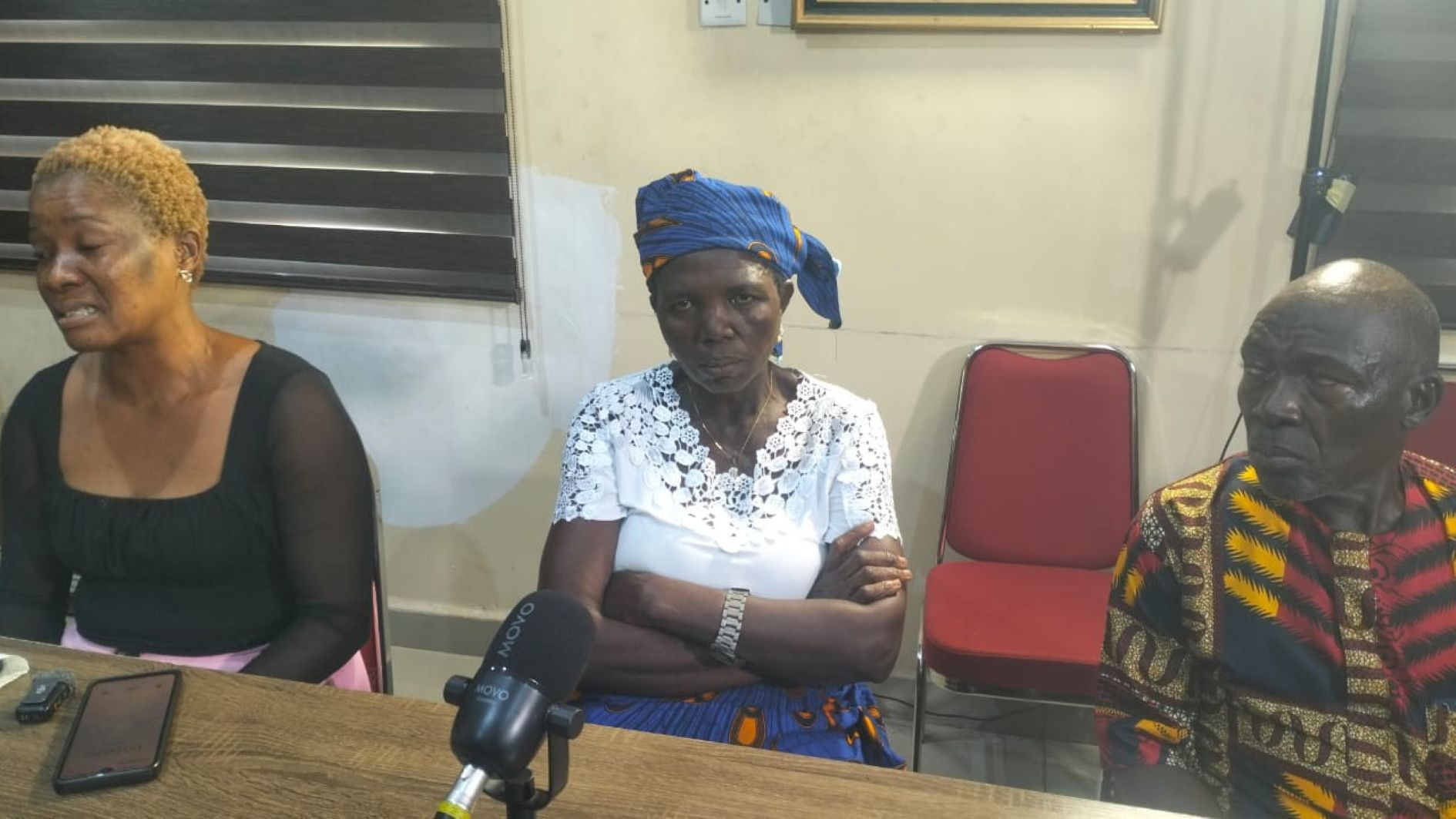
For Oge Ike, what began as a dispute over her late parents’ property allegedly turned into a painful ordeal involving threats, physical assault, eviction and detention.
“My brother called me mad and took me to a psychiatric hospital,” she said.
Oge’s experience is among more than 120 cases of disinheritance involving women and girls that the Women Aid Collective (WACOL) says it recorded in Igboland in 2026.
WACOL described the trend as a “near pandemic”, saying the practice was no longer confined to daughters but was increasingly affecting widows and, in some cases, mothers being deprived of property by their own children.
Oge said the dispute began after the death of her parents, when her younger brother allegedly took control of their father’s house.
According to her, tension escalated after she rented out a room in the building, which she believed she had a right to do as one of her father’s children.

“My brother came back and started threatening me. He threatened other tenants living in the compound with eviction. I was told I did not have the right to rent my father’s property. When the threat became too much, I took them to court,” she alleged.
She said the matter later took a more violent turn when some men allegedly dragged her before the community chairman.
Oge alleged that she was beaten there and repeatedly called a “mad woman”.
“They asked me to go and marry and leave my father’s house. The beating was so much that I could barely walk,” she said.
According to her, the situation became even more distressing when she was taken to the Federal Neuropsychiatric Hospital, Enugu, in handcuffs.
Oge said she spent 15 days at the hospital before escaping, adding that she was made to take medication despite not having what she described as a mental health condition.
She said the experience left her traumatised and reinforced her determination to challenge what she described as an attempt to deny her rights to her parents’ property.
The allegations, however, could not be independently verified.
Speaking at a press conference in Enugu, WACOL’s Founding Executive Director, Prof Joy Ezeilo, said cases such as Oge’s demonstrated the human cost of denying women access to family property.
She said affected women could be left homeless and economically vulnerable, while inheritance disputes could expose them to intimidation, violence and other forms of abuse.
Ezeilo cited Section 42(1) of the 1999 Constitution, which prohibits discrimination on the grounds of sex, arguing that customs denying women inheritance rights solely because they are female could not override constitutional protections.
She also cited the Supreme Court decisions in Ukeje v Ukeje and Anekwe v Nweke (2014), saying the apex court had rejected customary practices that denied female children inheritance rights.
To illustrate the scale of the problem, Ezeilo cited the cases of Mrs Florence Umuoga of Ehamufu, Isi-Uzo Local Council of Enugu State; Mrs Ekwutosi Ezeonyekwere, a widow from Umuchu, Anambra State; Mrs Esther Nebo of Udi Local Council Enugu State; Mrs Chinenye Odo; and Oge.
According to her, the cases showed how inheritance disputes could escalate into eviction, intimidation, violence and economic deprivation.
Ezeilo said her own family had faced a similar challenge after her parents died without a male child.
She alleged that her uncles attempted to demolish her father’s house, which she had built, and take possession of his land because women were not regarded as legitimate inheritors in Ehamufu.
She said Ekwutosi was allegedly locked out of her late husband’s shops, while members of his family began selling his land without her consent.
She also alleged that traditional divorce rites were performed at her father’s home and that Ekwutosi was ordered to leave her husband’s house despite having a son with him.
In Nebo’s case, Ezeilo alleged that her stepson locked her out of her family home after her husband’s death and seized his ATM card.
“In a shocking display of cruelty, she was issued a fake divorce letter on behalf of her deceased husband and warned not to attend even the burial,” she alleged.
Ezeilo said Odo’s case reflected another dimension of the problem. “It has become a pattern for sons to disinherit their mothers, not allowing them access to the lands and economic crops and sometimes selling these off without recourse to their mothers’ wishes, welfare or opinion,” she said.
Ezeilo urged traditional and community leaders to publicly reject discriminatory inheritance practices and called on law enforcement agencies to stop treating disinheritance, forced eviction and related violence as “family matters”.
She also called for the speedy resolution of inheritance and gender-based violence cases.

