 Follow Us on Google News
 Follow Us on Google Discover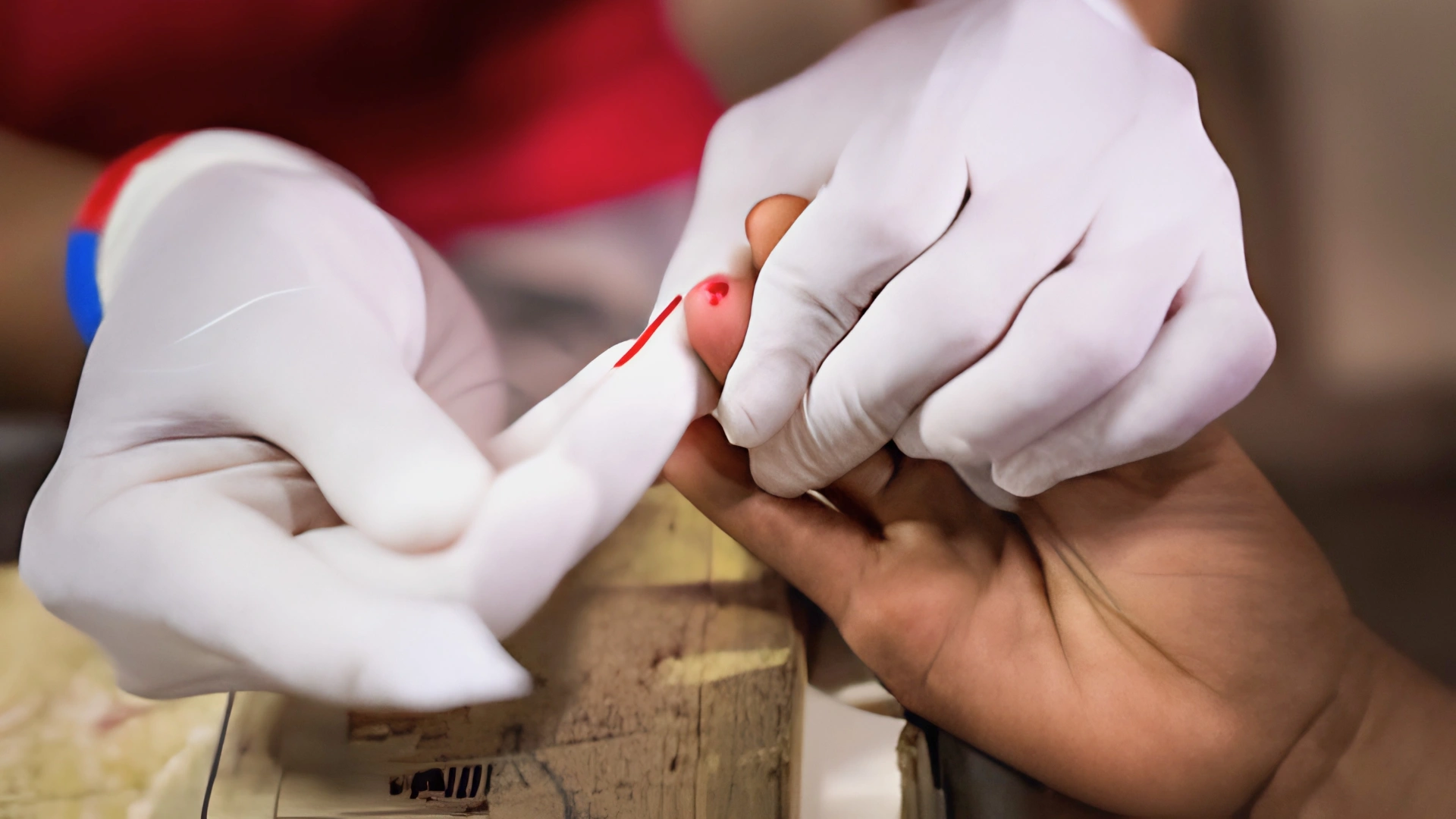
For the killer malaria fever, the Federal Government’s planned intervention primarily focusing on subsidising Rapid Diagnostic Tests (RDTs) and Artemisinin-based Combination Therapies (ACTs) amounts to tokenism, especially when viewed against the magnitude of the country’s malaria crisis.
Treating clinical cases after transmission had occurred addresses only the symptoms, leaving out the root cause, an indication of a systemic public health collapse. The scenario is more troubling in view of the fact that malaria is yet to be eradicated over 500 years after a man died of the disease in the country. Over the last couple of decades, initiatives like the Roll Back Malaria Programme, National Malaria Strategic Plans (NMSP), National Malaria Elimination Programme (NMEP) and the Nigeria End Malaria Council (NEMC) have all failed to effectively tackle the disease.
It is in the light of the failure of these initiatives that the Federal Government, through the NMEP, is perfecting a plan to subsidise malaria tests and medicines in a bid to reduce the cost of treatment and improve access to quality-assured medicines for vulnerable Nigerians in rural communities. But the move iis not eliciting the anticipated excitement.
The initiative, known as the Affordable Diagnostics and Medicines Facility for Malaria (ADMFM), will initially target the private sector, particularly patent and proprietary medicine vendors (PPMVs), in underserved communities. The programme, which has over N2 billion in funding from the World Bank-supported IMPACT Project, is expected to provide about four million diagnostic test kits and nearly two million treatment courses.
The National Coordinator of the NMEP, Dr Nnenna Ogbulafor, who disclosed the government’s new package in Abuja recently, said it was designed to make malaria diagnosis and treatment more affordable. She stressed the importance of testing before treatment, noting that malaria fever can be caused by several illnesses and should not be automatically treated as malaria. According to her, it is only after malaria has been confirmed through diagnosis that patients should be given appropriate treatment with artemisinin-based combination therapies (ACTs).
For a country that accounts for 27 per cent of global malaria cases and 31 per cent of malaria-induced deaths, and where studies have revealed that up to 83 per cent of patients are wrongly treated for malaria based on symptoms alone, there is need for a programme that will entrench the culture of laboratory confirmation, using the national guidelines advocating test-based diagnosis before treatment,
Indeed Nigeria still has a long way to go in containing the malaise. The failure of the authorities to prioritise diagnostic testing over the years; poor diagnostic capacity, out-of-pocket treatment costs, as well as public misconceptions, among others, have continued to undermine the country’s malaria control efforts and fuel drug resistance.
Also of concern to the general public is the recent revelation of the avalanche of malaria attacks that children are exposed to in the country. With only about 44.9 per cent of the children sleeping inside insecticide-treated nets (ITNs), the remaining 55 per cent remain unprotected from mosquito bites that spread malaria, according to the Nigeria Malaria Indicator Survey (NMIS) 2025. Of the 97 per cent of Nigeria’s population reportedly at risk of malaria fever, young children, pregnant women and their unborn are the most vulnerable.
The World Health Organisation (WHO), which considers Nigeria as a global epicentre of malaria, revealed that the country contributes over 54 per cent of the total caseload in West Africa alone, while it also records an estimated 68.5 million malaria cases and nearly 185,000 deaths annually.
With this grim scenario, the direct economic losses to Nigeria’s Gross Domestic Product (GDP) due to malaria exceed $1.1 billion annually, and this is caused by concomitant healthcare expenditure, premature mortality, and diminished labour output. Also, with over 70 per cent of health spending in the country occurring out of pocket, malaria bouts are routinely plunging low-income families into medical impoverishment even as the disease accounts for roughly 40 per cent of public health expenditures, 60 per cent of outpatient visits, and millions of lost workdays and school absenteeism days annually.
As the characteristics of malaria change and the disease is mainly becoming resistant to treatment, many Nigerias, including health practitioners, now crave research into a homegrown solution to the problem that is also responsible for alarming cases of morbidity, mortality and impairment of economic development.
Eradication of malaria requires a strategic approach, including looking inward for pharmaceuticals to effectively tackle the ailment. Already, the call for setting up of a National Malaria and Research Control Centre for Afro-centric research into local herbal solutions, which would be cheaper and readily available, is gaining ground. In the interim, no effort should be spared in creating awareness of the use of Insecticide-Treated Nets (ITNs), which is one of the ways to prevent malaria. This has also been proven to significantly reduce child death.
Nigeria must also not relent in getting serious about the much-talked-about movement from the standard Pyrethroid-treated nets to Piperonyl Butoxide (PBO) dual-active nets in order to overcome resistance of Anopheles mosquito to some nets.
Experts are advising the country to be prepared to scale up systematic IRS and environmental larviciding in high-density peri-urban settlements and agricultural zones, in addition to effectively managing municipal drainage and generally improving waste management systems.
Some countries, including Algeria, Egypt, Sri Lanka, Cape Verde, China, and Azerbaijan, have been certified malaria-free by the WHO. This feat is not achieved through single, isolated policy (like testing subsidy)alone but also through sustained commitment of the political leadership, synchronised public health interventions, and rigorous micro-level monitoring.
Algeria, for instance, guarantees 100 per cent free healthcare, including rapid testing, in-patient hospital admission, and full-course antimalarial medications to everyone within its borders as well as foreign migrants in its southern desert regions, while Sri Lanka deploys mobile malaria clinics to affected and rural districts to provide immediate free diagnostic testing and treatment on the spot. This has helped to ensure that no infected person carries the parasite untreated in their bloodstream.
While China and Sri Lanka adopted the “1-2-3” Response Model, which mandates the reporting of any confirmed case to local and national health authorities within 24 hours, and rapid investigation of the patient’s travel history and immediate contacts within 48 hours, among others, Algeria is funding its elimination campaign entirely through its own national domestic budget rather than relying on fluctuating international donor funding.
Nigeria must, therefore, put on its thinking cap and explore all possible avenues of routing malaria out of the country.

