 Follow Us on Google News
 Follow Us on Google Discover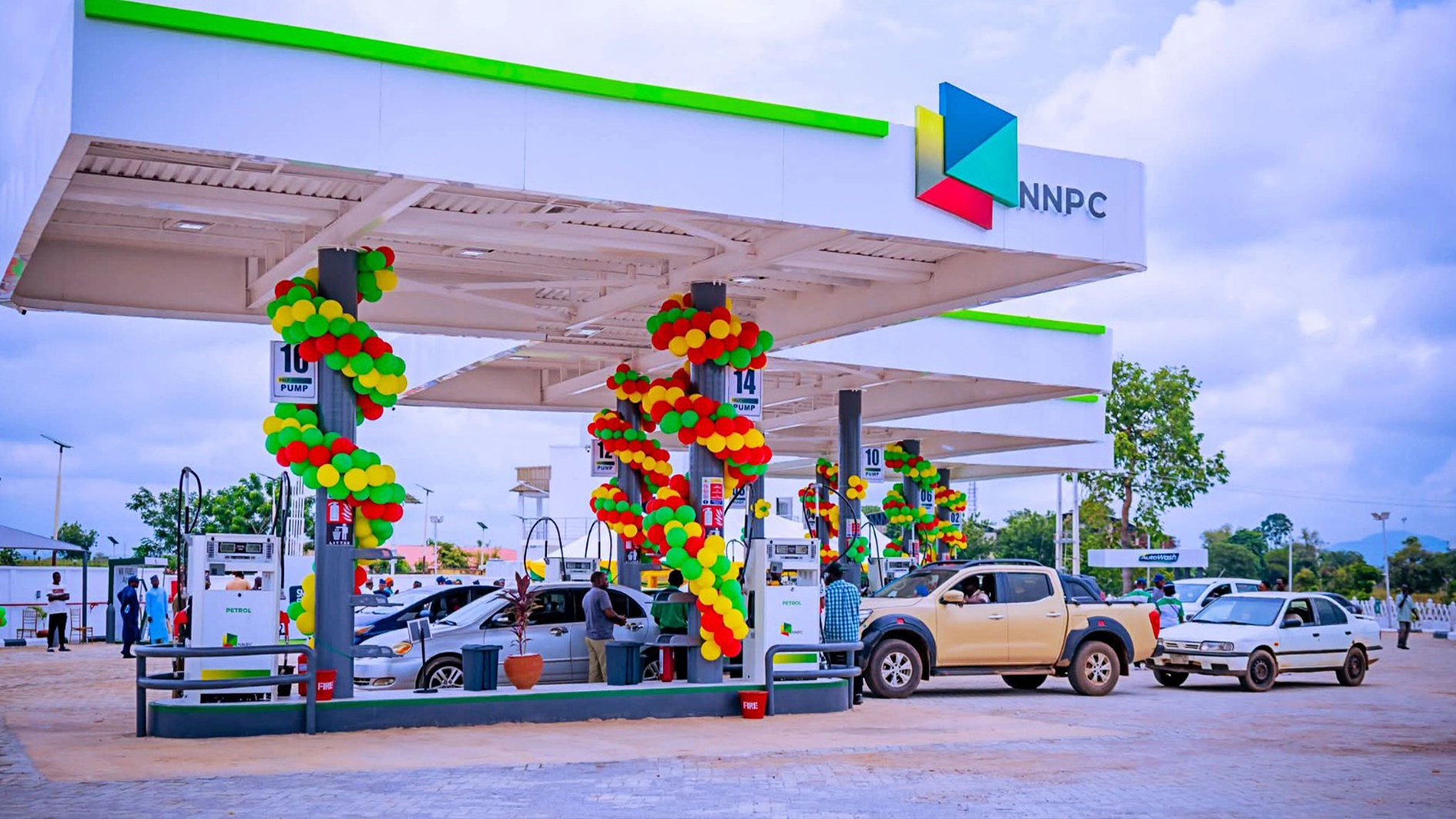
The Coalition of Citizens Groups for Good Governance has commended Bayo Ojulari, group chief executive officer of the Nigerian National Petroleum Company Limited (NNPC), over the planned 30-day petrol discount, describing it as a positive step towards easing the burden of high fuel prices on Nigerians.
In a statement on Saturday, the coalition said the initiative, alongside measures to improve transparency and introduce innovations such as self-service smart pumps, reflected the benefits of effective leadership and a more responsive approach to governance.
The statement, signed by Dr Nath Oguche, national president, and Chidumga Odinkalu, said NNPC’s recent initiatives demonstrated the importance of institutional reforms that deliver practical benefits to citizens.
The group said the fuel discount announced by the federal government offered an opportunity to provide temporary relief to households and businesses struggling with rising transportation and operating costs.
“The planned fuel discount is a welcome development, particularly at a time when Nigerians are grappling with high fuel prices and rising transportation costs. We commend NNPC and its leadership under Bayo Ojulari for supporting measures that could ease some of this pressure on citizens. Initiatives that respond to the economic realities of ordinary Nigerians deserve recognition, especially when they are accompanied by efforts to improve efficiency and accountability,” the statement said.
The group also praised NNPC’s reported efforts to reduce corruption and improve transparency, saying the company’s recent initiatives showed the importance of leadership that prioritises institutional reform and better service delivery.

“Beyond the fuel discount, we are encouraged by the innovations being introduced under Ojulari’s leadership, including self-service smart pumps and efforts to strengthen transparency in the company’s operations. These developments indicate what a seasoned administrator can achieve when experience, innovation and a commitment to public service guide decision-making. NNPC is a strategic national institution, and improvements in its operations have implications for the wider economy and the daily lives of Nigerians,” the coalition said.
The group said public institutions should be assessed not only by their policies and announcements but also by the practical improvements they deliver to citizens.
It added that reforms designed to curb corruption, improve operational efficiency and make services more accessible could help rebuild public confidence in NNPC, which plays a central role in Nigeria’s petroleum sector.
“Good governance requires more than managing an institution’s routine affairs. It demands the courage to confront longstanding problems, introduce better ways of working and ensure that the public receives value from the resources entrusted to the institution. We believe that the steps being taken at NNPC deserve attention, and we urge the management to sustain the momentum while ensuring that the benefits reach Nigerians across the country,” the statement added.
The coalition urged NNPC to maintain transparency in implementing its initiatives and provide clear information on measures intended to benefit consumers.
It also called on public institutions to adopt practical innovations that improve service delivery, strengthen accountability and address the needs of citizens.
The group said sustained reforms at NNPC could contribute to greater efficiency in the petroleum sector and demonstrate the value of accountable leadership in public administration.
The reform has, however, come under fire from economists, labour leaders and other stakeholders who insist that the Federal Government’s 30-day petrol discount at NNPC Limited stations offers no relief for millions of hard-pressed Nigerian households.
The intervention, announced by the Federal Government yesterday, targets public transporters nationwide, with the “relief” that seeks to restrict the price of fuel at N1350 per litre during the period. This suggests that its immediate impact on consumers would depend largely on how the lower fuel price results in reduced transportation fares.

