 Follow Us on Google News


 Follow Us on Google Discover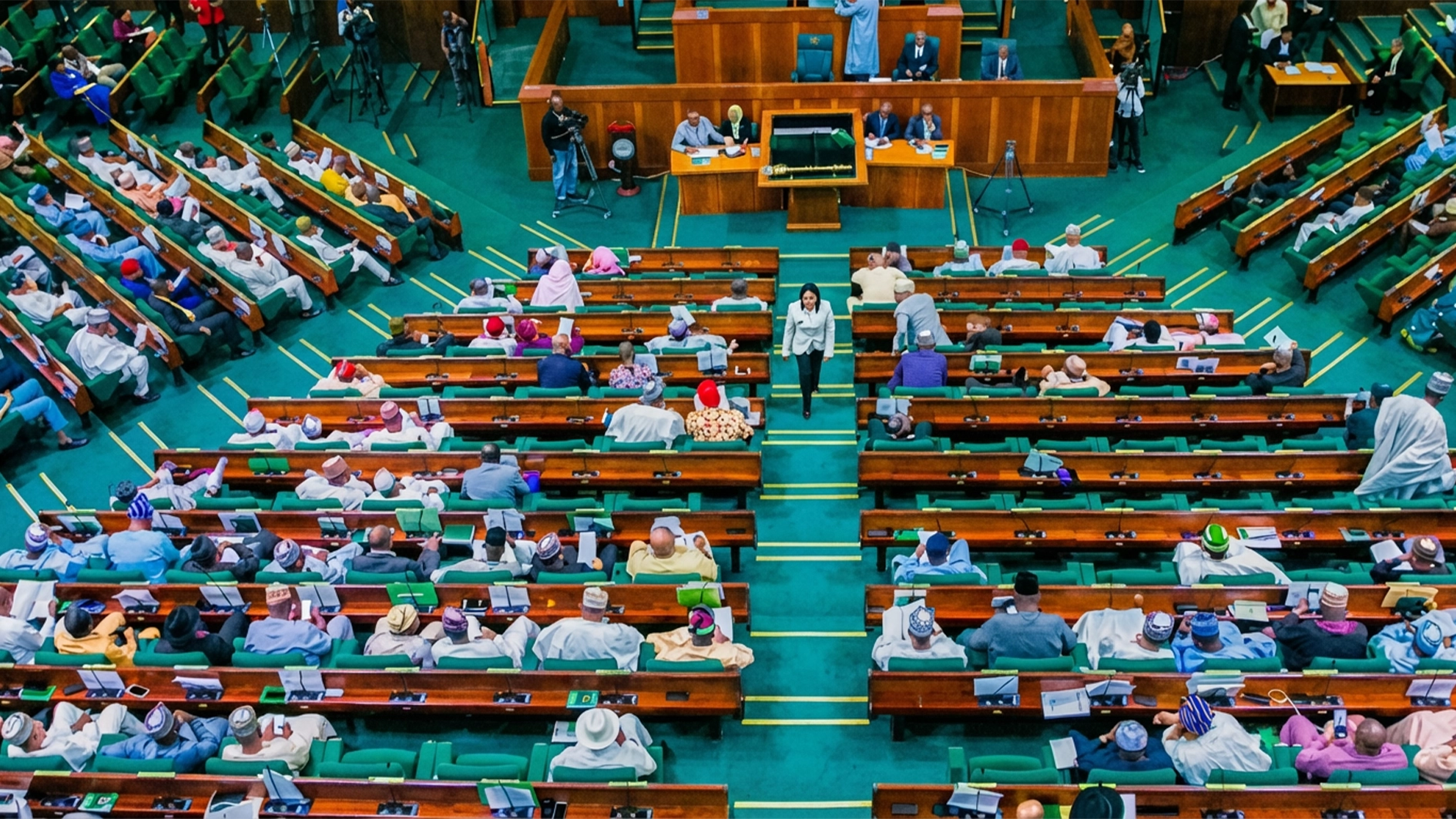
…40% Rural Electrification Fund Allocation
The House of Representatives has advanced a bill seeking to establish a new renewable energy authority in Nigeria, with a proposal to channel 40 per cent of the annual Rural Electrification Fund to the agency to finance clean energy development across the country.
The Electricity Act (Amendment) Bill, 2025, sponsored by Afam Ogene, who represents Ogbaru Federal Constituency in Anambra State, passed its second reading on Thursday following deliberations by lawmakers.
The proposed National Authority for Renewable Energy (NARE) is expected to coordinate the regulation, development and promotion of renewable energy, taking over certain responsibilities currently handled by the Nigerian Electricity Regulatory Commission (NERC), the Rural Electrification Agency (REA) and the Rural Electrification Fund.
Ogene, who chairs the House Committee on Renewable Energy, said the proposal was designed to address institutional gaps and improve coordination in Nigeria’s renewable energy sector.
“This specialisation will improve coordination, reduce institutional overlaps and provide focused direction for the effective development of the renewable energy sector,” Ogene said.

Under the proposed legislation, NARE would play a central role in expanding access to electricity through renewable energy projects, particularly mini-grid and off-grid systems serving rural communities, underserved areas and island settlements.
The proposal comes as Nigeria continues to face electricity access and reliability challenges, with many communities and businesses struggling to obtain consistent power from the national grid.
Rather than relying exclusively on extending the existing grid, the proposed authority would promote decentralised electricity solutions capable of supplying homes, businesses and public facilities in locations where conventional grid infrastructure remains limited or unavailable.
“We must embrace innovative, decentralised and renewable energy solutions that can reach communities and businesses more efficiently,” Ogene said.
Beyond electricity access, the bill seeks to encourage local manufacturing, research and technical capacity development through financial, fiscal and regulatory incentives intended to attract investment and create employment opportunities.
It also proposes a broader energy mix that includes solar, wind, hydro, geothermal, biomass and hydrogen, potentially creating a wider framework for renewable energy development and investment in Nigeria.
If established, NARE would also have responsibilities relating to licensing, technical standards, fair tariffs and dispute resolution within the renewable energy market. It would work with NERC and the Federal Ministry of Finance to harmonise policies and facilitate the integration of renewable energy into the national electricity grid.
A key provision of the bill is the proposed allocation of 40 per cent of the Rural Electrification Fund’s annual resources to the new authority to finance renewable energy development.
The proposal would make funding arrangements a significant part of the new authority’s operations, although the bill must still undergo further legislative scrutiny before it can become law.
Following Thursday’s debate, the House unanimously adopted the bill for second reading and referred it to the relevant committee for further examination.
The committee is expected to scrutinise the proposed framework, including provisions for transferring personnel, assets and ongoing projects from existing institutions to the new authority, before reporting back to the House.
The bill has not yet become law, and the proposed authority and funding arrangement remain subject to the completion of the legislative process.

