 Follow Us on Google News


 Follow Us on Google Discover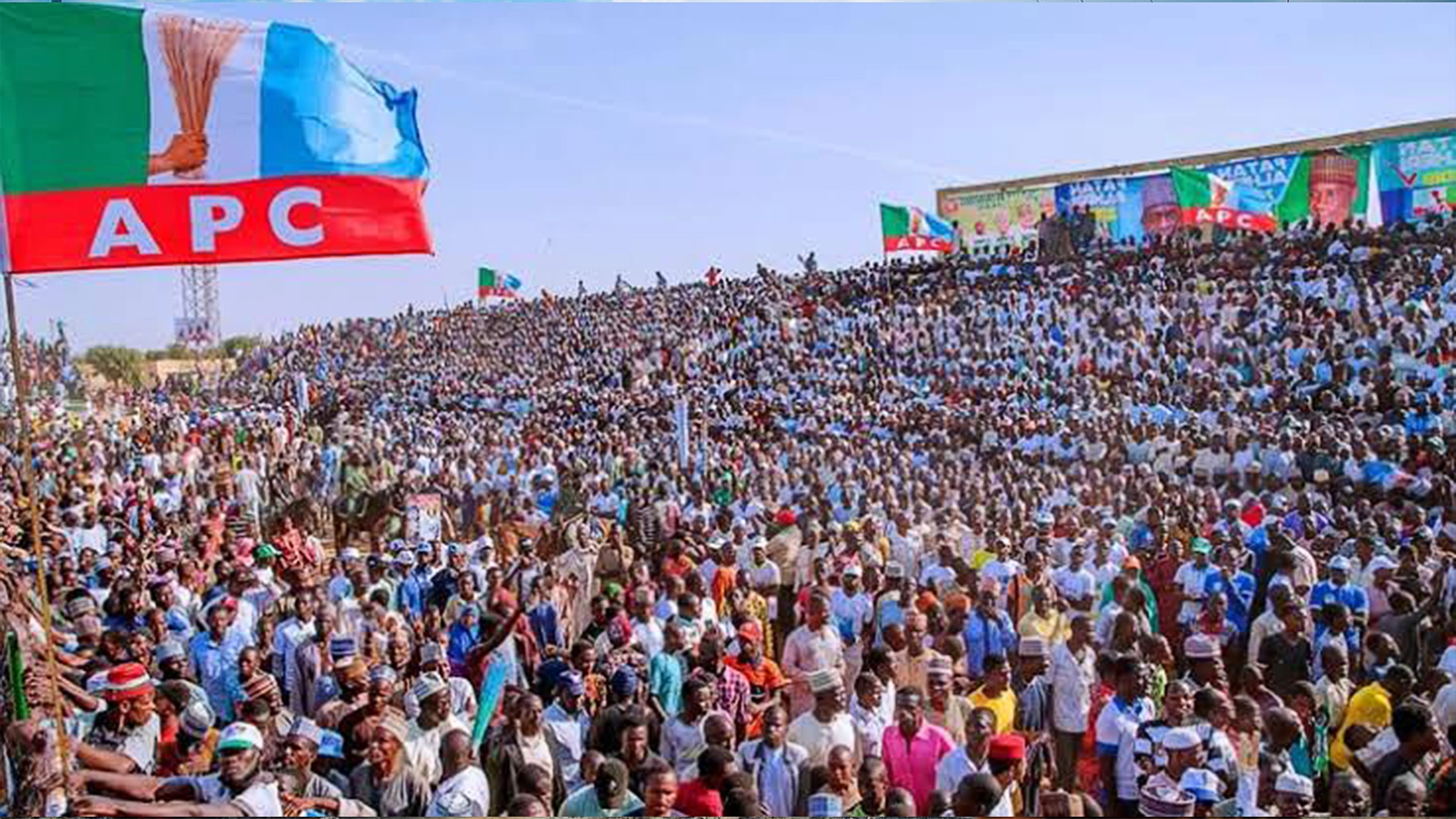
Ahead of the 2027 general election, the ruling All Progressives Congress (APC) will on Saturday, October 24, kick-start President Bola Ahmed Tinubu’s re-election campaign in Kaduna, a historic political centre in Northern Nigeria and the home state of the President’s estranged ally, Mallam Nasir El-Rufai. In this report, LEO SOBECHI and ADAMU ABUH examine the significance of the choice of Kaduna as the starting point for the APC’s journey to its fourth presidential showdown.
Looking back at the 2023 presidential poll that propelled President Bola Ahmed Tinubu into office, it could be safely said that it was in the city of Kaduna that the key to his Presidency was molded. Four years ago, the decision to build collegiate support among the 19 northern governors for Tinubu’s election was taken in this city of crocodiles.
In October 2022, Tinubu, as the presidential candidate of All Progressives Congress (APC), attended the Kaduna Economic and Investment Summit. And knowing the role the then outgoing governor, Mallam Nasir Ahmed El-Rufai, played in his emergence as APC standard bearer, especially in the battle to ensure power shift to the South after President Muhammadu Buhari’s eight years in office, Tinubu demanded El-Rufai’s commitment to the presidential campaign.
Recall that towards the tail end of his tenure, El-Rufai hinted at a possible retirement from public service, alluding to his desire to pursue further academic studies in North Africa, precisely in Cairo, the Egyptian capital. So, recognising how easily the outgoing governor mobilises his colleagues and voters in the ballot-rich North West geopolitical zone, Tinubu urged him to forgo the plan for further studies for APC’s electoral triumph at the 2023 polls.
After delivering his goodwill message, Tinubu moved a motion, while still at the lectern. He stated: “I am not leaving this stage unless my brother Nasir promises that he would continue to serve the country.”
Moved by that public suasion, El-Rufai rose from his seat and sauntered to the podium and agreed to volunteer himself for further participation in public service to the applause of the dignitaries in attendance. At least, the point was made that El-Rufai was a man of superlative political consequence in the North.

However, four years down the line, power seems to have changed hands. Out of office, the powerful governor seems to have lost the central position in President Tinubu’s calculations for his second term.
Worse, the distance between the President and his former ally widened immediately the President failed to push through his promise of retaining El-Rufai in the loop of his political and governance schemes.
Surrounded by powerful insiders, including George Akume, the Secretary to the Government of the Federation; Mallam Nuhu Ribadu, the National Security Adviser and the Minister of Budget and National Planning, Senator Atiku Bagudu, the former Kaduna State governor was systematically isolated from the inner caucus of the Tinubu Presidency.
To these new inner men, El-Rufai was not an asset, but a green snake in a green grass that could in the long run become a viper against the President’s political progression. But stopping the former governor, who was said to have been penciled to occupy the Ministry of Power in President Tinubu’s emergent cabinet, from passing through the security clearance desk at the Department of State Security (DSS) came as an admixture of political insolence and strategic caution.
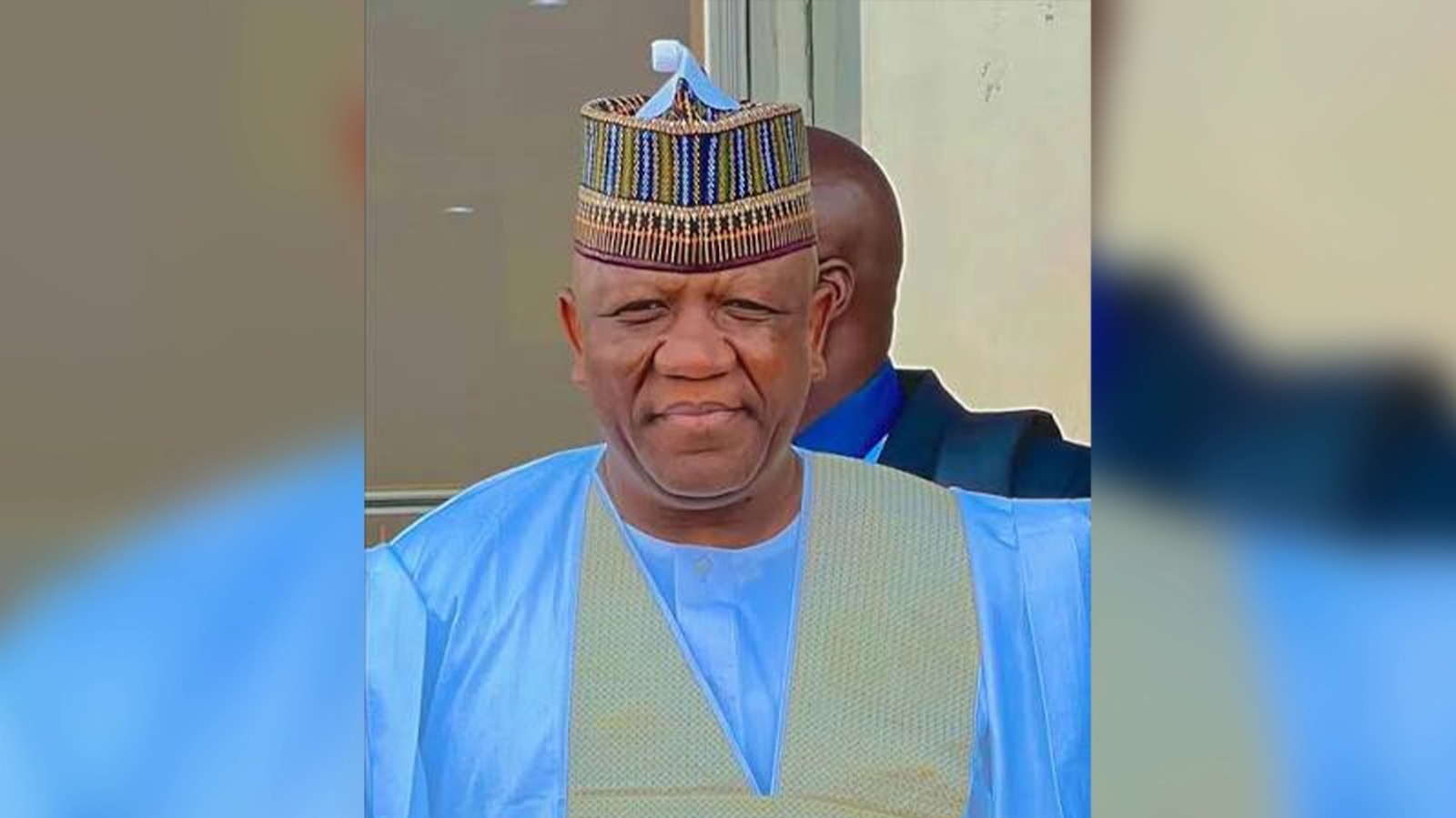
Having deferred his academic aspiration in Cairo, El-Rufai, as a restless politician that he is, found it expedient to lead the movement against President Tinubu’s retention of the Presidency for a second term. Devoid of the restraint expected of a political office holder, the former governor played with words that poked at the political flesh of President Tinubu and the governance record of APC, from which he excised his membership.
Some of El-Rufai’s colleagues told The Guardian that what defines the former governor’s politics is not the pomp of his presence, but the acerbic nature of his tongue. “You may not be moved by what Mallam weighs, but by what he says, when, where and how he says them,” a former governor stated.
When therefore El-Rufai started appearing in various national television programmes to pander words like, “I do not see President Tinubu’s pathway to victory,” “Tinubu would end up as a one-term President,” “I have done the mathematics, Tinubu cannot win,” most watchers of Nigeria’s high stakes politics knew that the former strong man of Kaduna State politics would talk himself into trouble.
Those who held that opinion did not waste time or words to posit that Tinubu is not former president Goodluck Jonathan. And their prediction came true last February, when El-Rufai was apprehended and detained for claiming to have used technical gadgets to eavesdrop on the conversations of the NSA, whom he fell out of favour with, after Ribadu was appointed as the President’s security eye and ear.
Insiders conversant with El-Rufai’s travails claimed that the former governor would most likely remain behind gilded windows until the 2027 presidential election is won and lost. Although presidential insiders claim that a free El-Rufai would create irritations for the APC and President Tinubu, others believe that the ambivalent posture of some northern governors towards the President’s second term is as a result of the restraints against their former colleague.
Soldier Go, Soldier Come
The choice of Kaduna by the ruling APC to kick-start President Tinubu’s 2027 re-election campaign on October 24, has mixed signals. The move is a poignant testimonial that power has changed hands and that contrary to his boasts, El-Rufai does not own the state.
The choice of Kaduna, a historic political centre in Northern Nigeria and the home state of the President’s estranged ally, places the North-West at the heart of the APC’s re-election strategy. It also sets the stage for a political test of whether the party can translate its control of government structures and the support of influential northern leaders into votes in a region where economic hardship and insecurity remain major concerns.
But, on the flipside, the APC and President Tinubu’s handlers must have discovered that tricky political situation of the state, especially given that El-Rufai’s allies have emptied into the African Democratic Congress (ADC), which has former vice president Atiku Abubakar as its standard bearer.
To compound the challenge, Isah Ashiru Kudan, a former acolyte of Senator Ahmed Makarfi, has picked the ADC gubernatorial ticket and harvested about 60 per cent of Makarfi’s PDP structure into ADC.
For Tinubu, therefore, the rally will be more than a ceremonial commencement of campaign activities. It will offer an opportunity to demonstrate that the APC retains its political machinery in Kaduna despite el-Rufai’s estrangement from the Presidency and his emergence as a prominent critic of the administration.
The campaign flag-off comes as the APC intensifies efforts to consolidate its support across the North, where the outcome of the 2027 presidential election could be shaped by competing arguments over power rotation, economic reforms, federal investments and the political future of the region.
The APC’s Kaduna chapter has expressed confidence that the state will deliver two million votes for Tinubu, with Governor Uba Sani expected to lead mobilisation efforts across its 23 local councils and 255 wards.
The party’s state publicity secretary, Mohammed Sani Haruna, described Kaduna as an appropriate venue because of its historical significance as the former capital of Northern Nigeria and its ethnic and religious diversity.
He said the state would mobilise hundreds of thousands of supporters for the rally, which the party hopes will demonstrate its readiness to secure Tinubu’s second term and strengthen its electoral prospects across the country.
Haruna also portrayed the choice of Kaduna as a demonstration of Tinubu’s commitment to northern political aspirations, recalling the President’s past alliances with northern leaders, including the late General Shehu Musa Yar’Adua and former vice president Atiku Abubakar.
The APC is seeking to turn that political history into an argument for reciprocal support from northern voters, maintaining that Tinubu’s previous backing of northern presidential ambitions should count in his favour in 2027.
However, the party’s ambitious two-million-vote target raises questions about how it intends to overcome the electoral challenges it encountered in the state in 2023. Despite controlling both the federal and Kaduna State governments at the time, the APC lost the state to Atiku, then the presidential candidate of the Peoples Democratic Party (PDP). Opposition parties also secured all three senatorial seats, exposing the limitations of the party’s political control in translating into electoral victories.
The previous result remains a significant reference point as the APC prepares for the forthcoming rally. Its leaders have attributed the setback partly to public dissatisfaction with the governing style of the administration led by El-Rufai, including controversies over demolitions, dismissals and the management of the state’s ethnic and religious differences.
The party argues that the Sani administration has pursued a more inclusive approach, creating conditions for the APC to expand its support beyond its traditional constituencies.
The October 24 gathering will therefore provide a platform for the governor and other party leaders to demonstrate how far they have succeeded in rebuilding the APC’s electoral coalition, particularly in Southern Kaduna and other areas where opposition parties previously performed strongly.
Kaduna’s political and religious diversity makes the exercise especially significant. A rally that attracts support across the state’s different communities would allow the APC to present its mobilisation efforts as evidence of a broader political coalition, although the size of the crowd alone would not establish the level of support the party can expect at the ballot box.
The rally will also place the relationship between Tinubu and El-Rufai under renewed scrutiny. By taking the re-election drive to el-Rufai’s home state, the APC leadership will have an opportunity to demonstrate that its political organisation and the influence of incumbent officeholders can sustain its campaign independently of the former governor.
Yet, the extent of El-Rufai’s continuing influence in Kaduna remains an important question. His political profile could shape debate around the rally, but it does not automatically establish how his supporters will vote or whether his estrangement from Tinubu will translate into electoral gains for the opposition.
The former governor’s disagreements with the Presidency, alongside investigations and allegations relating to his time in office, have further complicated the relationship.
The allegations and proceedings must, however, be assessed on their individual merits, while claims of political persecution have been contested.
For the APC, the immediate task is to ensure that the rally demonstrates organisational unity and that the party’s campaign message resonates beyond political endorsements. Its preparations have included the establishment of a dedicated media centre in Kaduna to coordinate information about the event and communicate the party’s position to the public. The state chapter has also pledged to provide a peaceful environment for the President, party leaders and supporters expected to attend.
The campaign is scheduled to move from Kaduna to Port Harcourt in Rivers State and Maiduguri in Borno State, according to the timetable announced by the Director-General of the Presidential Campaign Council, Abdulaziz Yari.
The sequence suggests that the APC intends to use Kaduna to establish momentum for a nationwide campaign, combining mobilisation in its northern strongholds with engagements in other regions.
Yet, the political significance of the Kaduna rally extends beyond the Tinubu-El-Rufai disagreement. It will unfold against a debate over whether the Presidency should remain in the South for another four years or return to the North after Tinubu’s first term.
Tinubu succeeded former President Muhammadu Buhari, who spent eight years in office from 2015 to 2023.
Supporters of the current President argue that he should be allowed to complete two terms, while opponents contend that the administration’s record should determine whether it deserves another mandate.
For the APC, the two-term argument is likely to feature alongside claims that Tinubu’s reforms and federal investments are laying the foundation for long-term economic growth. The party will also seek to persuade northern voters that the administration has not neglected their region.
Opposition figures, however, are seeking to make economic hardship a central issue in the 2027 contest.
Atiku, now associated with the ADC, has criticised the consequences of the administration’s economic policies, particularly petrol subsidy removal and the resulting pressure on household incomes.
The opposition’s argument is that higher food prices, transportation costs, electricity bills and other essential expenses have made life more difficult for many Nigerians, while the benefits of increased government revenues and economic reforms have yet to translate into sufficient relief for ordinary citizens.
By focusing on the cost of living, Atiku and other opposition figures are seeking to challenge the APC’s claim that its policies are producing the conditions for sustainable growth and shared prosperity.
The argument could resonate in the North, where concerns about unemployment, poverty and insecurity add to the pressures facing households. It also provides the opposition with an opportunity to reach voters who supported Tinubu in 2023 but are now concerned about the pace of economic recovery and the immediate consequences of government policies.
The APC’s response will depend partly on its ability to explain the purpose of its reforms while demonstrating how federal programmes and investments are improving living conditions.
Against this backdrop, the Arewa for Asiwaju (A4A) movement, led by former Kano State governor, Ibrahim Shekarau, and former Plateau State governor, Simon Lalong, is seeking to strengthen Tinubu’s support across the 19 northern states and the Federal Capital Territory.
At a meeting with the APC National Working Committee, chaired by the National Chairman, Nentawe Yilwatda, Shekarau said the initiative was established to complement the party’s mobilisation structures, address voter apathy and improve turnout in areas where the APC expects strong support.
He said the movement had studied previous election results, identified weaknesses in the party’s performance and established directorates and state-level structures to coordinate mobilisation down to local council and ward levels. He stressed that A4A would work with existing party officials and presidential campaign coordinators rather than operate as a parallel organisation.
The movement has also compiled information on federal projects and programmes across the North, which it intends to publicise to counter claims that Tinubu’s administration has neglected the region.
Lalong described A4A as a reserve of experienced political leaders who could help address weaknesses in the party’s structures. Yilwatda, meanwhile, cited road construction and the Ajaokuta-Kaduna-Kano gas pipeline as examples of federal investments in the North, urging the group to make the administration’s record more visible.
The initiative reflects the APC’s determination to combine established political networks with grassroots mobilisation. Its effectiveness, however, will ultimately be measured by voter participation and electoral support rather than the number of political endorsements it secures.
The Kaduna rally will also give the APC an opportunity to present its infrastructure and development record as evidence that the North has benefited from the administration’s policies.
Yilwatda had cited road projects linking different parts of the region, including the Kano-Maiduguri corridor and the Sokoto-Kebbi-Kwara route. He also highlighted the Ajaokuta-Kaduna-Kano gas pipeline, which the government expects to support industrial development, power generation and domestic gas consumption.
The APC chairman argued that northern leaders should use federal programmes, including student loans, to improve educational access and strengthen the region’s development prospects.
He also urged the party to look beyond the presidential election by seeking victories in the National Assembly, governorships and state legislatures. Such victories, he argued, would give the President greater legislative and political support to implement his programmes.
These arguments are expected to form part of the campaign’s defence of Tinubu’s record. But infrastructure announcements and ongoing projects will compete with voters’ immediate concerns about food prices, transport costs, jobs, security and access to essential services.
The opposition, meanwhile, will face questions about the credibility and practical details of its proposed alternatives. Criticism of subsidy removal and rising living costs may attract public attention, but opposition parties will also need to explain how they would address the country’s fiscal constraints, protect vulnerable households and improve economic conditions.
The contest will therefore involve competing claims about the direction of the economy and the distribution of the costs and benefits of reform.
For Tinubu, Kaduna offers a platform to unite party leaders, project confidence in the North-West and counter the perception that the fallout with El-Rufai has weakened his political standing in the region.
For Governor Sani, the rally presents an opportunity to demonstrate that his administration can deliver the support the APC expects from the state.
The party’s two-million-vote target will provide a clear benchmark against which its mobilisation claims can be judged, even though the ultimate result will depend on the wider campaign, voter turnout and the performance of rival parties.
Ultimately, the October 24 rally will be more than the formal launch of Tinubu’s re-election campaign; it will test the APC’s ability to convert political influence into voter support, demonstrate the reach of its state structures and defend its record against opposition criticism.

