 Follow Us on Google News


 Follow Us on Google Discover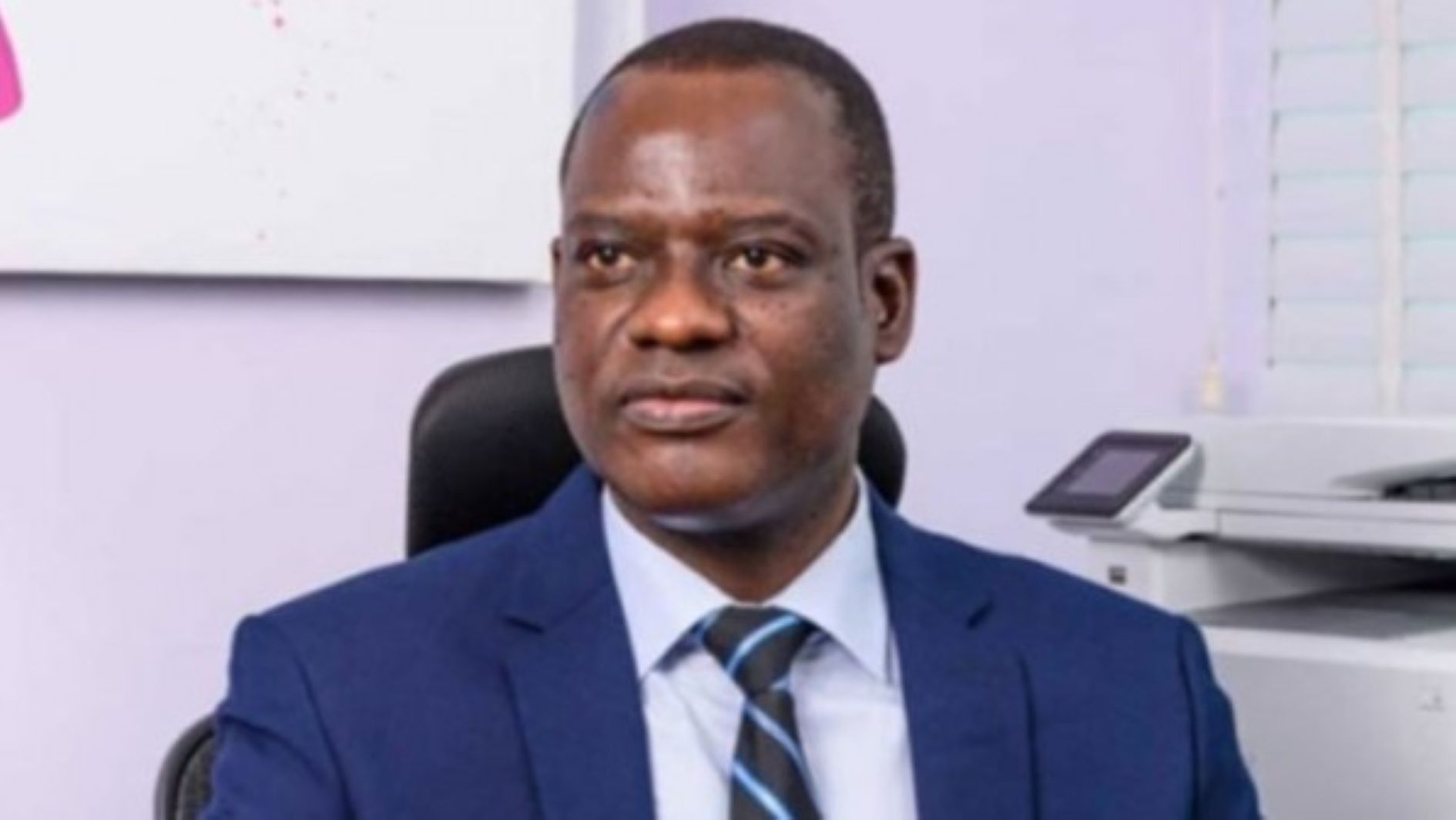
Federal revenue grew nearly twice as fast as interest payments in the first half of 2026, narrowing the gap between income and debt interest costs, the Federal Ministry of Finance said on Sunday.
This was disclosed by the Minister of Finance, Taiwo Oyedele on Sunday. Revenue increased by 72 per cent to ₦6.2 trillion in the six months to June, from ₦3.6 trillion in the corresponding period of 2025. Interest payments rose by 38 per cent to ₦7.7 trillion, compared with ₦5.6 trillion a year earlier.
The figures reduced the difference between interest payments and revenue from ₦2 trillion in the first half of 2025 to ₦1.5 trillion in the first half of 2026, according to the ministry.
The ministry disclosed the figures in a statement issued in Abuja in response to public commentary based on the World Bank’s October 2026 Nigeria Development Update, which put federal government interest payments at 124 per cent of revenue during the first half of the year.
It argued that the ratio did not fully reflect the government’s fiscal position because the interest figure included debt serviced on behalf of other tiers of government, including external loans to states, while the revenue figure excluded some earnings by government agencies and enterprises that had not yet been remitted to the Treasury.
The ministry said comparing these figures overstated the burden on federal revenue because the debt and revenue figures did not cover the same level of government.

It also noted that government revenue typically rises in the second half of the year because of the statutory timing of certain tax payments.
According to the ministry, the interest-to-revenue ratio stood at 156 per cent in the first half of 2025, compared with 124 per cent in the first half of 2026, representing a decline of 32 percentage points.
The ministry said the full-year debt-service-to-revenue ratio fell below 60 per cent in 2025, compared with 97 per cent before the current administration’s reforms.
It added that the World Bank projected Nigeria’s full-year 2026 debt service, covering both interest and principal repayments, at 46 per cent of revenue.
The ministry argued that the full-year projection was a more appropriate basis for assessing debt sustainability than figures covering only six months.
The clarification comes amid scrutiny of Nigeria’s debt-servicing obligations and the proportion of government revenue required to meet them.
Interest payments represent the cost of borrowing, while debt service also includes principal repayments. The two measures therefore capture different aspects of the government’s debt obligations.
The ministry maintained that the first-half figures should be assessed alongside revenue collection patterns, the scope of government debt being serviced and full-year projections.
It also said all federal government borrowing was within limits approved by the National Assembly under the 2026 Appropriation Act and the approved borrowing plan.
According to the statement, borrowing complied with the Fiscal Responsibility Act 2007 and the Debt Management Office (Establishment) Act 2003, with details published regularly by the Debt Management Office.
The ministry said it welcomed scrutiny of public finances but urged analysts to compare figures covering equivalent levels of government and consider the period covered before drawing conclusions about debt sustainability.

