 Follow Us on Google News



 Follow Us on Google Discover
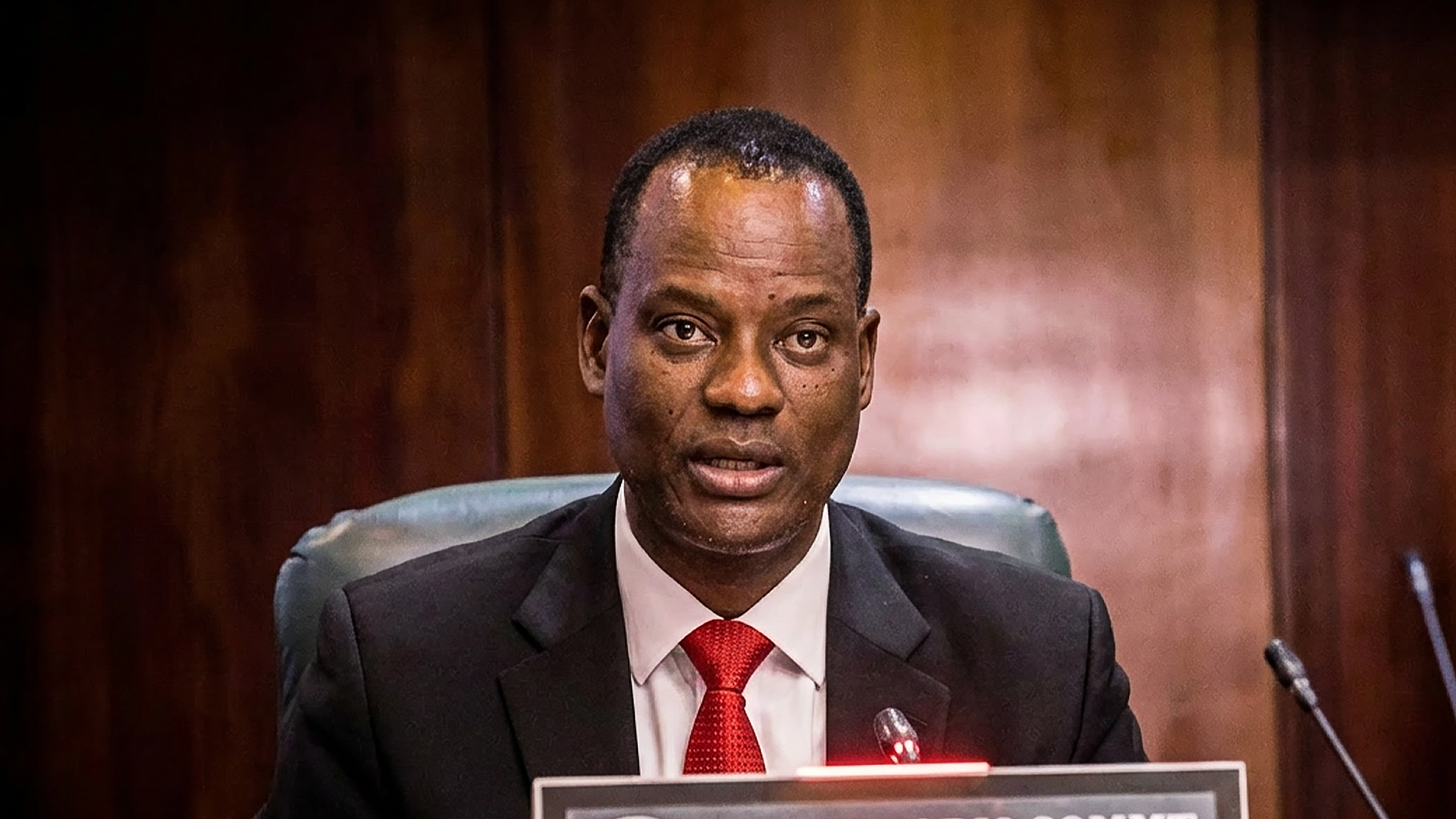
Nigeria’s fiscal strain sharpened in the first half of 2026 as interest payments outpaced government revenue by N1.5 trillion, despite a 72 per cent surge in collections. Finance Minister and Coordinating Minister of the Economy, Taiwo Oyedele, defended the country’s position, countering concerns raised in the World Bank’s latest economic assessment.
In a statement, ‘Setting the Record Straight: Interest Payments and Revenue in H1 2026’ issued by the Ministry of Finance in Abuja yesterday, the government argued that the reported interest-to-revenue ratio of 124 per cent presents an incomplete picture of the government’s finances because of differences in the coverage and timing of revenue and debt obligations.
According to the World Bank’s October 2026 Nigeria Development Update, federal interest payments rose to N7.7 trillion between January and June 2026, up from N5.6 trillion in the corresponding period of 2025, a 37.5 per cent increase.
Federal revenue, however, rose from N3.6 trillion to N6.2 trillion over the same period, up 72.2 per cent.
Consequently, interest payments fell from approximately 156 per cent of revenue in the first half of 2025 to 124.2 per cent in the corresponding period of 2026.
The figures indicated improved revenue relative to interest costs, but also show that the government’s earnings remained insufficient to cover interest payments during the six months.

The World Bank attributed the increase in interest costs partly to high domestic borrowing rates, with interest payments rising from 2.5 per cent of gross domestic product in the first half of 2025 to 3.1 per cent in the first half of 2026.
However, the Ministry maintained that the ratio should not be interpreted in isolation, arguing that the interest figure includes obligations the Federal Government services on behalf of other tiers of government, including external loans to states.
It said comparing such obligations with federal revenue alone exaggerates the burden because the debt and revenue figures do not cover the same level of government.
The Ministry also argued that the reported revenue excludes independent revenue earned by government agencies and enterprises but not yet remitted to the Treasury. It added that statutory payment schedules mean some tax revenues are collected later in the year.
However, the Ministry’s explanation does not eliminate the immediate cash-flow pressure reflected in the reported figures. Whether the ratio overstates the underlying burden depends on the precise coverage of the debt and revenue data, including the treatment of intergovernmental obligations and outstanding agency remittances.
Concerns remained as capital spending raises further questions. The debate over debt costs comes amid concerns about the Federal Government’s capacity to finance infrastructure and public services while meeting its recurrent obligations.
The World Bank reported that federal capital expenditure in the first half of 2026 fell to about N700 billion, or 0.3 per cent of GDP, down from about one per cent of GDP in the corresponding period of 2025.
At N7.7 trillion, interest payments were roughly 11 times the reported capital expenditure during the period.
Total federal expenditure increased from N14.6 trillion in the first half of 2025 to N16.1 trillion in the first half of 2026, while personnel costs rose from N3.7 trillion to N4.2 trillion.
These figures highlighted the competing demands on public finances, particularly the need to meet debt obligations, pay workers and finance infrastructure, education, healthcare, security and social protection.
The low level of reported capital spending does not, by itself, establish that all affected projects were abandoned. It nevertheless raises questions about budget implementation, the timing of expenditure and whether the government can translate improved revenue collections into public investment.
The World Bank’s assessment also cautioned against treating the improved early-year fiscal outturn as conclusive evidence that expenditure pressures had been resolved.
To support its position, the Finance Ministry argued that it should assess debt sustainability over a full financial year rather than a six-month snapshot.
It cited the World Bank’s projection that Nigeria’s full-year 2026 debt service, covering both principal repayments and interest, would amount to 46 per cent of revenue.
The Ministry also said the full-year 2025 debt-service-to-revenue ratio was below 60 per cent, compared with 97 per cent before the current administration’s reforms.
It described the decline in the half-year interest-to-revenue ratio as evidence that the government’s fiscal reforms were producing results.
The distinction between the two measures is important. The 124.2 per cent figure concerns interest payments relative to revenue during the first half of 2026, while the cited 46 per cent projection covers both interest and principal repayments over the entire year.
The Ministry insisted that the figures cover different time periods and components and should not be treated as directly comparable indicators.
The full-year projection provided a broader assessment of expected debt-service obligations, but it remains a forecast rather than a final outturn.
Nigeria’s fiscal reforms, including changes to fuel subsidies, foreign exchange arrangements and revenue administration, aim to improve public revenue and strengthen macroeconomic stability.
The World Bank’s October report noted that stronger oil receipts, improved corporate tax collections and higher independent revenues supported the increase in federal revenue in the first half of 2026. Value Added Tax (VAT) collections, however, remained comparatively flat, while customs revenue was broadly stable.
The improvement in collections is significant, but the rise in interest payments demonstrates that revenue growth alone does not automatically resolve the government’s financing constraints.
The Ministry also maintained that all Federal Government borrowing falls within limits approved by the National Assembly under the 2026 Appropriation Act and the approved borrowing plan.
It also declared that the borrowing complies with the Fiscal Responsibility Act 2007 and the Debt Management Office (Establishment) Act 2003, with the Debt Management Office publishing details.
Compliance with borrowing approvals and statutory requirements is an important element of fiscal accountability. It is, however, distinct from assessing whether the cost of borrowing is affordable, whether debt-funded expenditure delivers value for money and whether the resulting obligations leave sufficient resources for essential services.

