 Follow Us on Google News
 Follow Us on Google Discover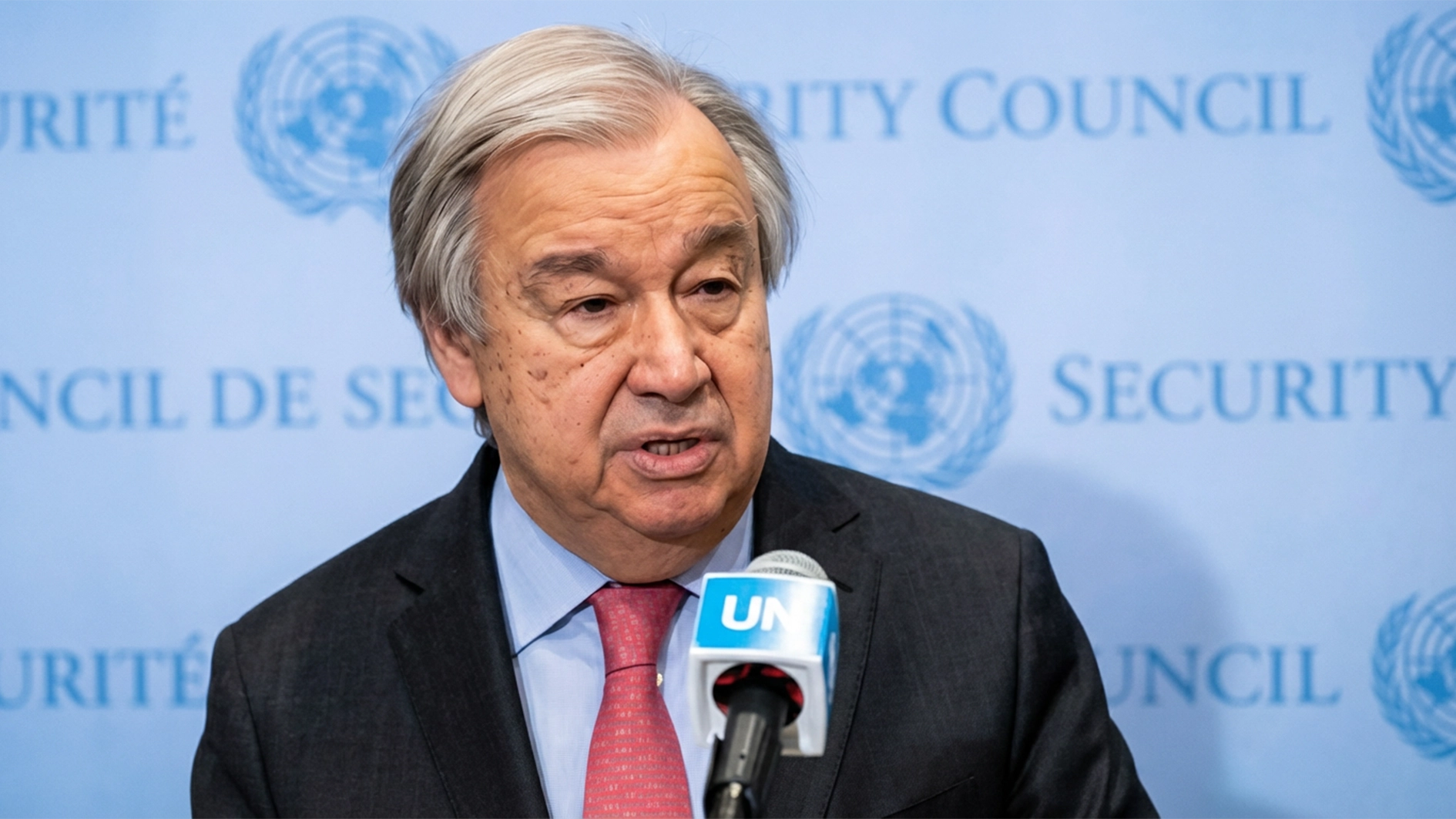
Developing countries are seeking stronger influence over international debt discussions as rising debt-servicing costs intensify pressure on public finances and threaten spending on infrastructure, healthcare and education.
The move gained momentum yesterday as finance ministers, central bank governors and senior officials from developing countries met in Bangkok, Thailand, for the first Governing Council meeting of the Borrowers’ Platform, a United Nations-backed initiative designed to strengthen cooperation among countries grappling with mounting debt burdens.
The platform, coordinated by the United Nations Conference on Trade and Development (UNCTAD), seeks to address what developing countries consider a longstanding imbalance in the international financial system, where debt coordination and negotiation mechanisms have largely been driven by creditors, without a permanent borrower-led forum for sharing expertise and shaping discussions.
UN Secretary-General António Guterres said developing countries were facing mounting pressures from geopolitical tensions, conflicts, trade disruptions, climate challenges, inadequate financing and high debt-servicing obligations.
He described the platform as an opportunity for borrowing countries to navigate these challenges through shared knowledge, practical tools and stronger cooperation.
“Today, you are taking a seat at the table,” Guterres said, highlighting the importance of giving developing countries a more prominent role in discussions affecting their financing conditions.

The initiative comes amid growing concerns about the resources governments must devote to servicing debt, leaving less fiscal space to finance development priorities and respond to the needs of their populations.
According to UNCTAD, interest costs in developing countries have risen much faster than government revenues over the past decade, increasing pressure on public finances and the capacity of governments to sustain essential investments.
Higher debt-service obligations can force governments to make difficult choices between meeting repayment commitments and financing critical services, including education, healthcare, infrastructure and other development programmes.
For countries already facing limited access to affordable financing, the challenge extends beyond the size of their debt to the terms on which they borrow, the cost of servicing their obligations and their capacity to manage debt sustainably.
The Borrowers’ Platform is intended to help participating countries strengthen their ability to navigate these challenges by sharing experiences, improving access to debt-related information and data, identifying common technical priorities and expanding opportunities for technical assistance.
However, the platform is not designed to negotiate debt restructuring collectively or replace existing international debt mechanisms. Rather, it seeks to equip countries with the knowledge and institutional capacity needed to manage their individual debt situations and participate more effectively in international financial discussions.
The platform brings together countries with different debt profiles and financing circumstances, recognising that their challenges vary even as they confront common pressures in the global financial system.
The organisation said stronger cooperation among borrowers could help them better understand the financial environment in which they operate and improve their participation in discussions that influence their access to financing.

