 Follow Us on Google News



 Follow Us on Google Discover
...Advocates digital health solutions, early testing, increased surveillance
Minister of State for Health and Social Welfare, Dr Adekunle Salako, has urged Nigerians to embrace evidence-based self-care practices, including regular health screening, disease monitoring and adherence to medical advice, to improve health outcomes and strengthen the country’s healthcare system.
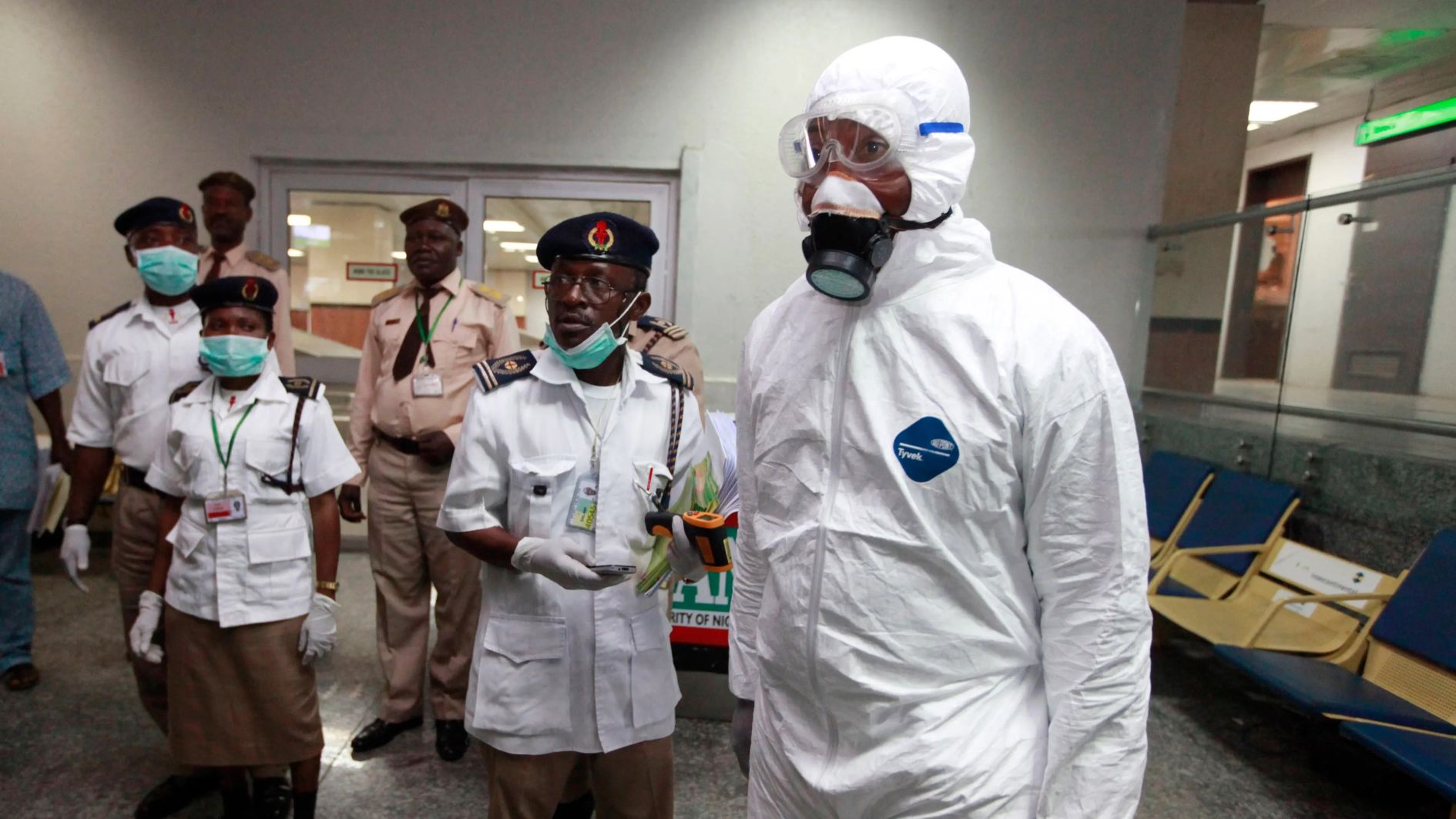
He urged Nigerians to cooperate with public health authorities and observe recommended hygiene measures, particularly in view of the reported imported Ebola case.
Salako, who spoke at the inaugural National Self-Care Conference themed “Self-Care: Put Your Health in Your Hands — Test, Track, Thrive,” also called on Nigerians to observe proper hand hygiene, appropriate disinfection and other preventive measures amid efforts to contain a reported imported case of Ebola virus disease.
He noted that self-care is critical to disease prevention, early diagnosis and the effective management of chronic conditions such as diabetes and hypertension, which could progress without obvious symptoms.
The minister stressed, however, that self-care should complement, rather than replace, professional medical services, insisting that the government remained responsible for ensuring access to affordable, quality and accessible healthcare.

According to him, self-care empowers individuals to make informed decisions about their health while encouraging them to seek professional assistance when necessary.
“Self-care does not replace professional healthcare, and it does not absolve the health sector and the government of its responsibility to provide accessible, affordable and quality health services,” Salako said.
He explained that self-care extended healthcare beyond hospitals and clinics to homes, workplaces and communities, enabling individuals to take greater responsibility for their physical and mental well-being.
The minister identified healthy diets, medication adherence, physical activity, self-monitoring and appropriate health screening as essential components of self-care, particularly for people living with non-communicable diseases.
He disclosed that he had conducted research, which was awaiting publication, on the use of electronic mechanisms to improve self-care in the management of diabetes mellitus.
Salako stated that digital tools could help patients monitor their conditions and adhere to treatment plans, especially in situations where healthcare professionals could not provide continuous supervision.
He added that the Federal Ministry of Health and Social Welfare would continue to support policies, public education, regulation of self-care products and the integration of self-care interventions into primary healthcare services.
According to him, effective self-care could strengthen primary healthcare, advance universal health coverage, reduce avoidable pressure on health facilities and improve health outcomes nationwide.
The minister called on state governments to integrate evidence-based self-care into relevant health policies and programmes, while urging healthcare professionals, researchers, development partners and community leaders to work together to expand access to reliable health information and services.
He also advocated the use of digital communication and artificial intelligence to bring self-care information and applications closer to Nigerians.
Salako, however, warned that access to self-care must not be determined by income, disability, gender or geographical location.
He urged stakeholders at the conference to establish measurable targets, clear implementation priorities and accountability mechanisms to ensure that discussions translated into tangible improvements in people’s lives.
Explaining the conference’s guiding principles, he said testing enabled individuals to understand their health status, tracking encouraged consistent monitoring and informed action, while thriving represented the ultimate goal of healthier individuals, stronger families and more resilient communities.
The minister further called for greater access to reliable testing tools, protection of patients’ confidentiality and efforts to eliminate the stigma associated with knowing one’s health status.
Also speaking, the Group Chief Executive Officer of the Society for Family Health (SFH), Dr Omokhudu Idogho, called for stronger partnerships, sustainable financing and wider access to digital health services to make self-care affordable, inclusive and effective.
Idogho, represented by the Group Director, Population, Health and Community Systems, SFH Donor-Funded Portfolio Directorate, Mr Emeka Okafor, said empowering Nigerians to take charge of their health must be matched by access to accurate information, quality products, affordable services and professional medical support.
He said self-care could help individuals act earlier, overcome barriers to healthcare and make informed decisions about their well-being, but warned that empowerment would remain limited without a responsive health system.
According to him, Nigerians increasingly make health decisions in their homes, pharmacies, communities and through their mobile phones, making it necessary to provide reliable information and appropriate services within their everyday environments.
“This is what democratising care means to us. It means widening access to knowledge, choices and support that enable people to protect their health,” he said.
Idogho noted that a person’s income, location, age or circumstances should not determine whether they could obtain trustworthy health advice and timely assistance.
He identified telemedicine as one of the approaches through which SFH was working to bring professional healthcare advice closer to individuals.
Through its Access Care initiative, he said, the organisation was seeking to make it easier for people to connect with healthcare professionals, particularly those facing transportation costs, geographical barriers, time constraints or concerns about privacy.
He stressed that digital healthcare services must provide appropriate guidance and pathways to in-person assessment or further treatment whenever necessary.
Idogho also highlighted the importance of sustainable financing in expanding technology-driven self-care interventions, noting that innovative solutions required investment to become reliable and accessible services.

