 Follow Us on Google News



 Follow Us on Google Discover
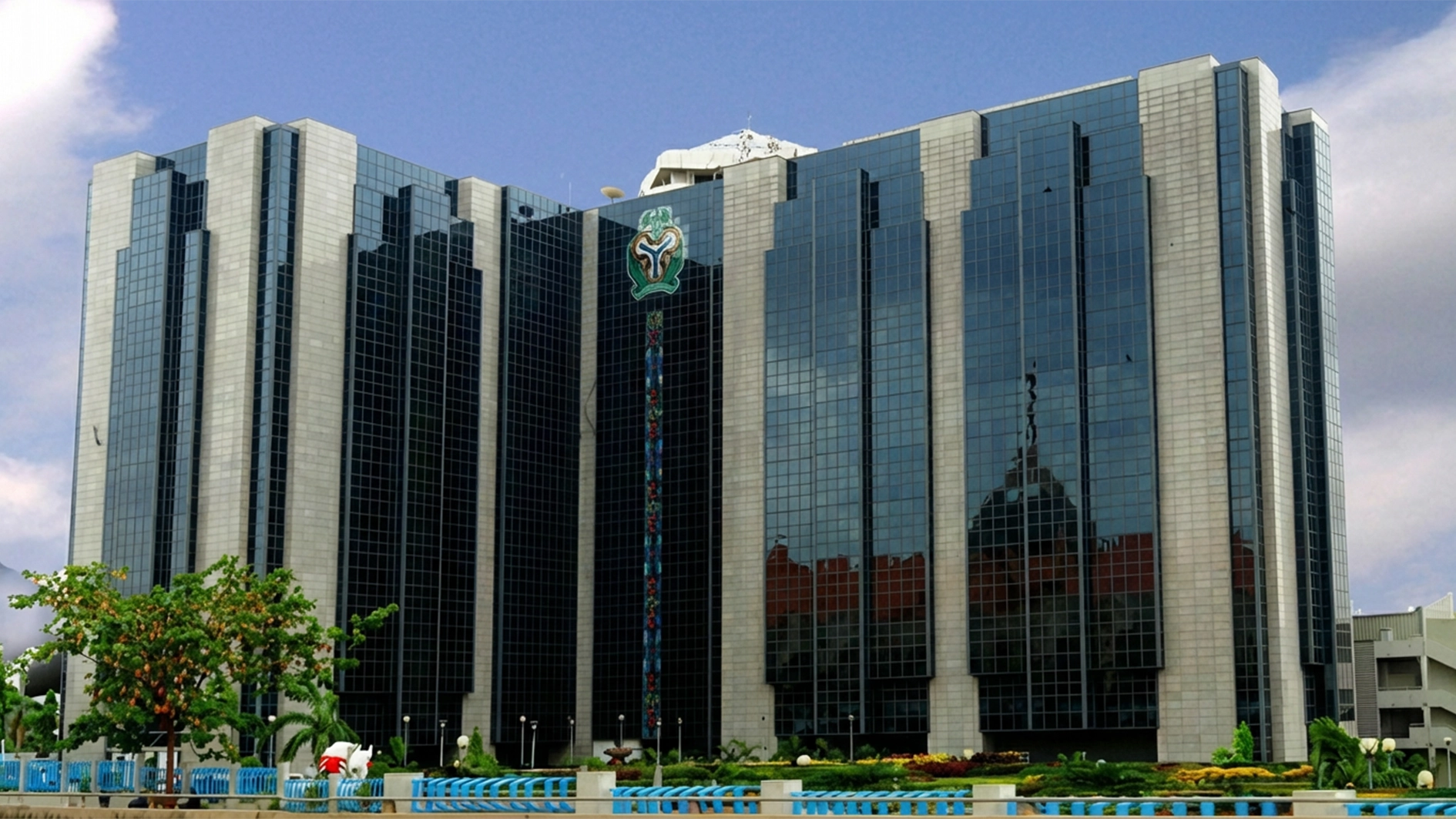
Nigeria’s broad money supply climbed sharply in September, rising by N7.51 trillion to N146.60 trillion, according to the latest Central Bank of Nigeria (CBN) data. The increase was driven by a surge in net credit to the government, which jumped from N6.36 trillion to N39.40 trillion from N33.04 trillion in August.
The expansion underscores the growing role of public sector borrowing in shaping liquidity conditions, raising concerns about inflationary pressures, crowding out of private investment, and the sustainability of fiscal driven monetary growth.
Meanwhile, credit to the private sector fell by N537.6 billion, or about 0.6 per cent, from N84.47 trillion in August to N83.93 trillion in September, despite the expansion in money supply.
The latest CBN data showed that broad money supply, measured by M3, grew by 5.4 per cent from N139.09 trillion in August, extending the upward trend recorded since the beginning of the year.
Money supply rose from N123.95 trillion in January to N125.19 trillion in April and N129.54 trillion in May, before climbing to N133.27 trillion in June and N139.09 trillion in August. It reached N146.60 trillion in September.
Net credit to the government rose to N124.34 trillion in September from N117.51 trillion in August, representing an increase of N5.83 trillion, or about 5.0 per cent. The data did not provide a breakdown of the factors behind the increase.

The decline in private sector credit came despite the CBN’s decision to reduce its benchmark interest rate during the month. The available figures did not provide a sectoral breakdown of lending or establish the reasons for the decline.
The latest increase in money supply followed the CBN’s decision to cut the Monetary Policy Rate (MPR) by 350 basis points to 23 per cent at its 307th Monetary Policy Committee (MPC) meeting, marking the largest reduction in the benchmark rate since December 2006.
Meanwhile, currency outside banks increased to N4.92 trillion in September from N4.87 trillion in August, representing a monthly rise of about N48.7 billion.
Narrow money, which comprises currency and highly liquid deposits, also rose from N43.11 trillion in August to N44.05 trillion in September, while demand deposits increased from N38.24 trillion to N39.12 trillion.
Net foreign assets declined to N30.90 trillion in September from N35.75 trillion in August, representing a decrease of N4.85 trillion, or about 13.6 per cent.
The rise in money supply reflected an increase in funds within the financial system, although the data do not establish how much of the additional liquidity has translated into consumer spending or added to inflationary pressures.

