 Follow Us on Google News



 Follow Us on Google Discover
• Experts question preparedness, contact tracing gaps
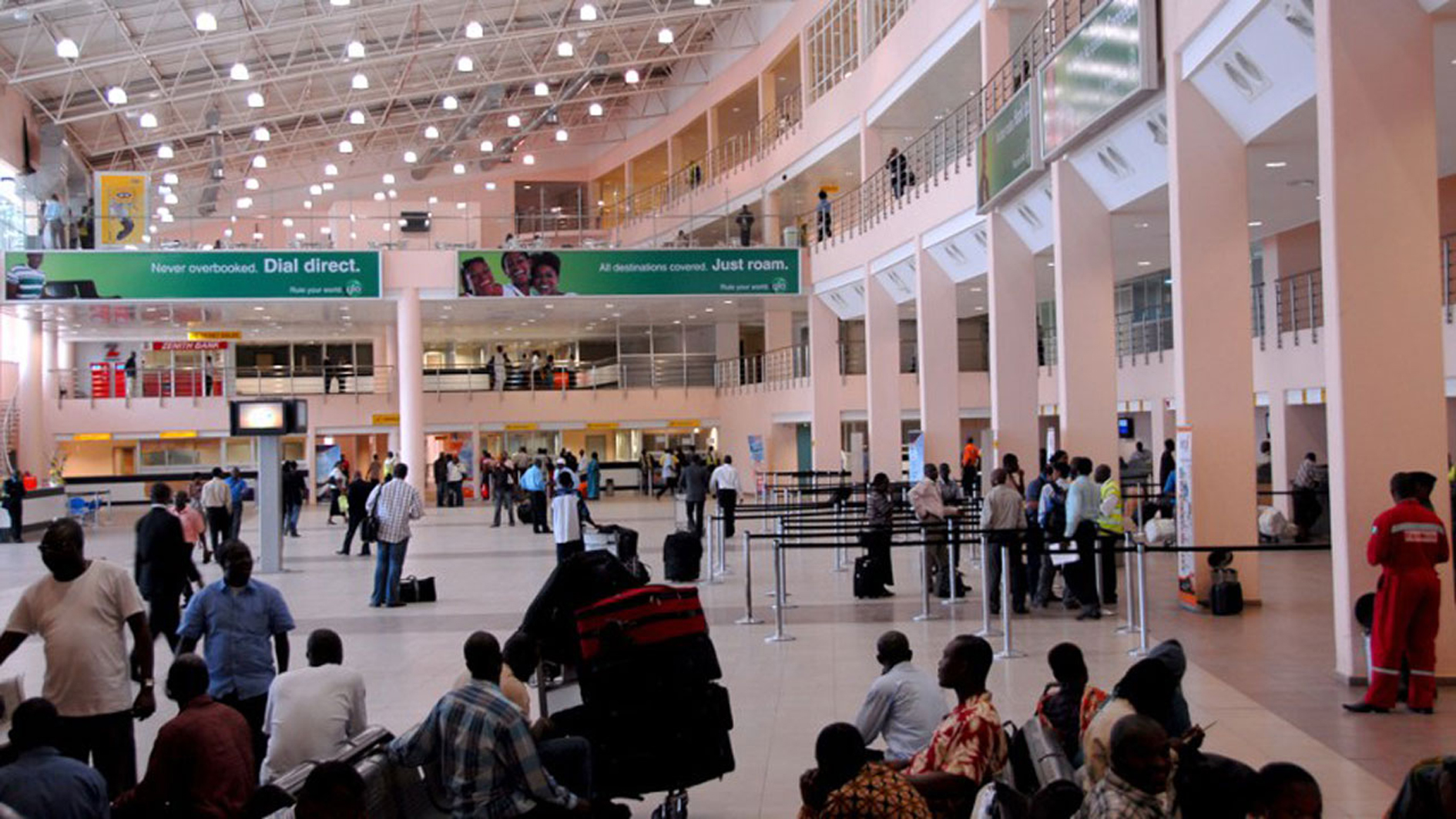
• FAAN steps up airport vigilance as health authorities track 44 contacts
• Gbajabiamila: Patient responding well to treatment
• Atiku demands audit of alleged N10b preparedness fund
• Senate, Reps demand emergency funds, tighter screening
• NSCIA urges suspected cases to avoid congregational prayers
• Ghana steps up Ebola surveillance after cases in Nigeria, Kenya
The Federal Government has moved to allay fears over Nigeria’s latest Ebola case, assuring citizens of effective containment measures, but questions over airport surveillance, possible gaps in contact tracing and the whereabouts of the N10 billion reportedly earmarked for preparedness have raised concerns about the country’s response.
It followed the confirmation of the infection in a woman who travelled to Abuja through Addis Ababa on October 5, 2026.
The woman reportedly developed symptoms two days after arriving in Nigeria and sought treatment at a private hospital in Abuja on October 11, presenting with malaria-like symptoms. Her condition reportedly failed to improve.
Health officials subsequently established that she had recently travelled to Uganda, which is affected by the current outbreak. She was tested for Ebola on October 19, with the positive result confirmed on Tuesday.
Nigerian health authorities have since identified 44 contacts linked to the case, most of them healthcare workers. The contacts also include the patient’s husband, a Swiss national residing with her in Abuja.

The government said it had intensified contact tracing and containment measures, ruling out an immediate blanket quarantine of Nigerians.
Minister of Health and Social Welfare, Prof Muhammad Ali Pate, said the government was working closely with Uganda and other relevant health authorities to prevent further transmission, expressing confidence in Nigeria’s public health infrastructure and expertise.
Pate spoke yesterday night after a closed-door meeting with the Chief of Staff to the President, Femi Gbajabiamila, at the Presidential Villa, Abuja.
He disclosed that the Nigeria Centre for Disease Control and Prevention (NCDC) had activated its incident management system, with health officials working round the clock to trace contacts, monitor potential exposure and implement containment measures.
The Chief of Staff to the President has confirmed that the woman is currently responding well to treatment.
The minister urged Nigerians to remain vigilant, observe public health precautions and rely on verified information from official sources rather than spreading rumours or unconfirmed reports.
“We are collaborating with our sister African nation of Uganda. What is important is that we have found this one case. We are doing contact tracing, and we are putting containment measures in place to ensure that it does not spread into our population,” he said.
Pate recalled Nigeria’s successful response to the 2014 Ebola outbreak, expressing confidence that the country’s public health institutions could effectively manage the current situation.
“Nigerians should be reassured. We must be vigilant, but not panic,” he said.
He added that the government would continue to provide regular updates as more information became available, warning against what he described as unnecessary hysteria over the confirmed case.
“We have things in place that give us confidence that Nigeria can weather this public health crisis. Let us not fall into a trap of hysteria or panic. It is one case; it is an imported case, and we are containing it.
“We will continue to take measures. If the situation changes, we will come out and inform Nigerians,” the minister said.
Experts question Nigeria’s preparedness, contact tracing gaps
NIGERIA’S confirmation of the Bundibugyo strain of Ebola virus disease has raised concerns about the country’s preparedness to prevent further transmission, with experts questioning the scope of contact tracing, airport surveillance and how the infected patient escaped earlier detection.
The Nigeria Centre for Disease Control and Prevention confirmed the strain yesterday during an emergency incident management meeting in Abuja, disclosing that the patient, identified as a diplomat, had deteriorated into multi-organ failure. However, authorities did not disclose the patient’s nationality.
The immediate past chairman of the Nigerian Medical Association (NMA), Dr Babajide Saheed, questioned whether the country had maintained the preparedness systems needed to respond effectively to an outbreak.
In an interview with The Guardian, Saheed said the Federal Government, state governments and local governments were not adequately prepared. He pointed to unanswered questions about how the patient entered the country, the circumstances surrounding her initial treatment and the extent of possible exposure.
He questioned how a traveller arriving from an area affected by Ebola, reportedly with symptoms, could pass through entry points and receive treatment at a private hospital without triggering an immediate alert and the necessary public health response.
Saheed said authorities needed to establish the patient’s movements and interactions, adding that heightened vigilance around travellers arriving from outbreak-affected areas should be treated as a public health precaution rather than discrimination.
He also called for dedicated infectious disease hospitals in every state, warning that preparedness required functional facilities, trained personnel, established protocols and sustained surveillance before emergencies occur.
Virologist Oyewale Tomori similarly called for comprehensive contact tracing, warning that the number of potentially exposed people could run into hundreds, depending on the patient’s movements and interactions.
Tomori said everyone who travelled on the same flight as the patient should be included in the tracing exercise, alongside people she encountered after arriving in Nigeria. He warned that limiting the exercise to 44 contacts would raise questions about the seriousness of the response.
He also urged authorities to investigate the patient’s complete travel history, including whether she passed through Lagos airport before arriving in Abuja, to identify possible contacts across locations. Tomori further expressed concern about the lack of visible surveillance at the country’s airports and called for stronger monitoring of travellers from affected areas.
A member of the Academy of Medical Sciences Rapid Response Initiative Group, Prof Boaz Adegboro, recommended tracing and testing passengers on the flight from Uganda, expanding access to Ebola test kits, and informing healthcare workers and the public about symptoms requiring prompt medical attention.
FAAN intensifies vigilance at airports over Ebola outbreak in Abuja
THE Federal Airports Authority of Nigeria (FAAN) has intensified vigilance across the country’s airports following the confirmation of an imported case of Ebola Virus Disease in the Federal Capital Territory, Abuja.
FAAN, in a statement by its Director, Public Affairs and Consumer Protection, Henry Agbebire, said it was working with the Nigeria Centre for Disease Control and Prevention (NCDC), Port Health Services, the Nigeria Civil Aviation Authority (NCAA) and other relevant agencies to support ongoing efforts to contain the disease.
FAAN said it was maintaining heightened vigilance across airport operations and would continue to coordinate with public health authorities, align its response with further guidance and support additional measures considered necessary to protect passengers, airport personnel and the wider public.
The agency urged passengers, airport users, airlines and other stakeholders to remain calm, vigilant and cooperative with health officials.
The authority also advised the public to rely on verified information and avoid spreading unconfirmed reports about the outbreak.
Atiku demands audit of alleged N10b preparedness fund
FORMER Vice President Atiku Abubakar has demanded a public audit of the N10 billion reportedly announced for Ebola preparedness, questioning how the funds were spent following the confirmation of a case in Abuja.
Atiku alleged that the case exposed gaps in disease surveillance and the protection of healthcare workers, urging the Federal Government to account for the funds and ensure that frontline personnel had adequate protective equipment.
In a statement issued yesterday by Phrank Shaibu, Director of Strategic Communication of the ADC Presidential Campaign Council, Atiku also warned against using the outbreak to restrict political campaigns or voter participation.
“Where is the money? Publish the amount actually disbursed, the dates of payment, every contract awarded, every recipient and every item delivered. A press statement cannot replace an audit,” he said.
Atiku said the patient arrived in Nigeria on October 5, developed symptoms on October 7 and sought treatment at a private hospital on October 11, while the government publicly confirmed the case on October 20.
He alleged that the delay raised concerns about the management of the case and the identification of potentially exposed persons.
“During that critical period, 44 close contacts were left unmonitored, while private health workers faced the case without adequate protective equipment. This is a failure of preparedness with potentially grave consequences,” he said.
The former vice president also questioned the effectiveness of the Presidential Task Force announced by President Bola Tinubu in June and chaired by his Chief of Staff, Femi Gbajabiamila, arguing that medical experts should lead the response.
“Political titles cannot trace contacts, equip hospitals or save lives,” he said.
Atiku further alleged that the planned press conference by the Minister of Health today was intended to discourage Nigerians from attending campaign rallies and voting.
“The Tinubu administration must not weaponise Ebola to frighten the public, silence its opponents or suppress voter participation. Any public health measure must be backed by clear medical evidence, applied equally and never used as a pretext to interfere with Nigerians’ democratic rights,” he said.
NSCIA urges suspected cases to avoid congregational prayers
THE Nigerian Supreme Council for Islamic Affairs (NSCIA) has urged people suspected of contracting Ebola virus disease to refrain from attending congregational prayers pending medical assessment, as it called on Islamic leaders to intensify public awareness to prevent the spread of the disease.
The council, under the leadership of its President-General and Sultan of Sokoto, Alhaji Muhammad Sa’ad Abubakar, made the call in a public health advisory following the confirmation of an Ebola case in the Federal Capital Territory.
The advisory signed by its Secretary-General, Prof Is-haq Oloyede, urged federal and state governments to intensify surveillance, contact tracing, public enlightenment and preparedness of healthcare facilities.
“Persons suspected of infection should refrain from attending congregational prayers pending medical assessment.
“Any person who develops symptoms that could be associated with a serious infectious disease should seek medical attention promptly and avoid exposing other people to possible infection. Such a person should also follow the instructions of health professionals regarding movement and treatment,” the NSCIA said.
While calling for adequate protection for healthcare workers, the council commended the Federal Government, the Federal Ministry of Health and Social Welfare, and the Nigeria Centre for Disease Control and Prevention for their efforts towards containing the disease.
Oloyede urged Nigerians to remain vigilant, practise regular handwashing, avoid direct contact with suspected cases and their bodily fluids, and promptly report suspected infections to the appropriate health authorities through the NCDC toll-free number, 6232.
It advised people experiencing symptoms after possible exposure to avoid close contact with others and seek immediate medical guidance.
Senate, Reps demand emergency health funds, tighter screening
THE Senate and the House of Representatives have called for emergency funding, tighter screening at Nigeria’s entry points and stronger disease surveillance to prevent further transmission of Ebola following the reported case in Abuja.
While the Senate demanded compulsory health screening at international airports, seaports and designated land borders, the House of Representatives urged the Federal Government to release all outstanding funds appropriated to relevant health agencies to strengthen the country’s preparedness and response capacity.
The lawmakers also called for intensified contact tracing, prompt testing and isolation of suspected cases, adequate protective equipment for frontline health workers, and the activation of health institutions across the country.
At the Senate, the demands followed deliberations on a motion sponsored by Francis Adedayo Faduyile, representing Ondo South, who warned that gaps in passenger screening could leave Nigeria vulnerable to imported infections.
However, lawmakers rejected a proposal to inspect the Nnamdi Azikiwe International Airport, Abuja, to assess its screening facilities and the preparedness of relevant agencies, even as they called for stronger surveillance and response measures.
Contributing to the debate, Ali Ndume raised concerns about screening procedures at Nigerian airports, alleging that a traveller arriving from Kenya had entered the country without temperature checks or other health assessments.
“A traveller came from Kenya and entered Nigeria, and there was no check. There was no temperature check at the airport, and there was no form of check at all,” he said.
“Assuming he was infected, how would the airport staff have known?” he asked.
The Senate urged the Federal Ministry of Health and Social Welfare, the Federal Airports Authority of Nigeria and the Nigeria Immigration Service to equip entry points with trained health personnel, thermal scanners, protective equipment and isolation rooms. It also called for isolation and treatment centres to be made ready across the 36 states and the Federal Capital Territory (FCT).
On funding, Ndume referred to an alleged N10 billion allocation for Ebola control, but lawmakers questioned whether the money had been formally approved and released.
The Senate subsequently urged the Federal Government to provide emergency funding through the service-wide vote and adequately resource the Nigeria Centre for Disease Control and Prevention (NCDC) and Port Health Services. It also called for a review of previously approved funds to establish whether they had been released and properly utilised.
Sadiq Suleiman Umar, representing Kwara North, urged Nigeria to build on its success in containing the 2014 Ebola outbreak.
“Nigeria did fantastically well, and we were celebrated all over the world. We must not lose that gain,” he said.
The Senate also urged the Federal Government to replace the Quarantine Act of 1926 with modern public health legislation, arguing that the existing law no longer reflected current public health realities.
It mandated its committees on Health, Primary Healthcare and Disease Control, Aviation, Interior and Appropriations to liaise with relevant agencies, inspect principal entry points and report back within four weeks.
At the House of Representatives, lawmakers urged the Federal Ministry of Health and Social Welfare and the NCDC to assess the resources required to strengthen Nigeria’s preparedness and response capacity.
The motion, sponsored by the Chairman of the House Committee on Infectious Diseases, Amobi Godwin Ogah, called for the immediate mobilisation of federal, state and private health institutions to remain on high alert and take measures to prevent further transmission.
The legislative intervention followed the reported Ebola case in Abuja involving a woman who arrived from Uganda.
Speaking to journalists after a public hearing organised by his committee at the National Assembly, Abuja, Ogah said the lawmakers would continue to engage relevant authorities and monitor emergency funding, medical supplies, surveillance systems and operational coordination.
He called for heightened vigilance at international airports, land borders, healthcare facilities and other critical points of entry and exposure, adding that the committee would pursue further legislative and policy interventions to address gaps in Nigeria’s preparedness.
Ogah urged Nigerians to remain calm and avoid panic over the reported case.
Ghana steps up Ebola surveillance after cases in Nigeria, Kenya
GHANA has strengthened surveillance and screening at its points of entry following confirmed Ebola cases in Nigeria and Kenya, with authorities stepping up preparedness measures to prevent the importation and spread of the virus.
The Ghanaian Ministry of Health, in a statement, said the measures followed an outbreak of Ebola in the Democratic Republic of the Congo (DRC), subsequent cases reported in Kenya and Nigeria, and the increased risk posed by travel links between the affected countries and Ghana.
On October 20, Nigerian authorities confirmed an Ebola case in the Federal Capital Territory, while Kenya had earlier reported an imported case on October 6. By October 17, Kenyan authorities had recorded six additional cases linked to the initial infection, including cases among healthcare workers.
Although Ghana has yet to report an Ebola case, the ministry said it was strengthening national preparedness to ensure early detection, prompt isolation and effective management of suspected infections.
It identified Kenya as a significant source of concern because of direct flights between the two countries and higher passenger volumes than between Ghana and the DRC. The confirmed case in Nigeria has also heightened concerns because of frequent travel between the two countries.
The ministry said it was working with the Ghana Health Service, Ghana Airports Company Limited, the Ghana Civil Aviation Authority and other stakeholders to improve preparedness and coordination.
Other measures include enhanced screening at airports, simulation exercises at Accra International Airport and the Ghana Infectious Disease Centre, follow-up with travellers from high-risk areas, and updates to laboratory standard operating procedures.
The government is also sensitising healthcare workers on preparedness and the appropriate management of suspected cases, while strengthening public education and risk communication at airports.
The statement was signed by Ghana’s Minister of Health, Kwabena Mintah Akandoh, who assured the public that the ministry and its partners were implementing measures to protect public health.

