 Follow Us on Google News



 Follow Us on Google Discover
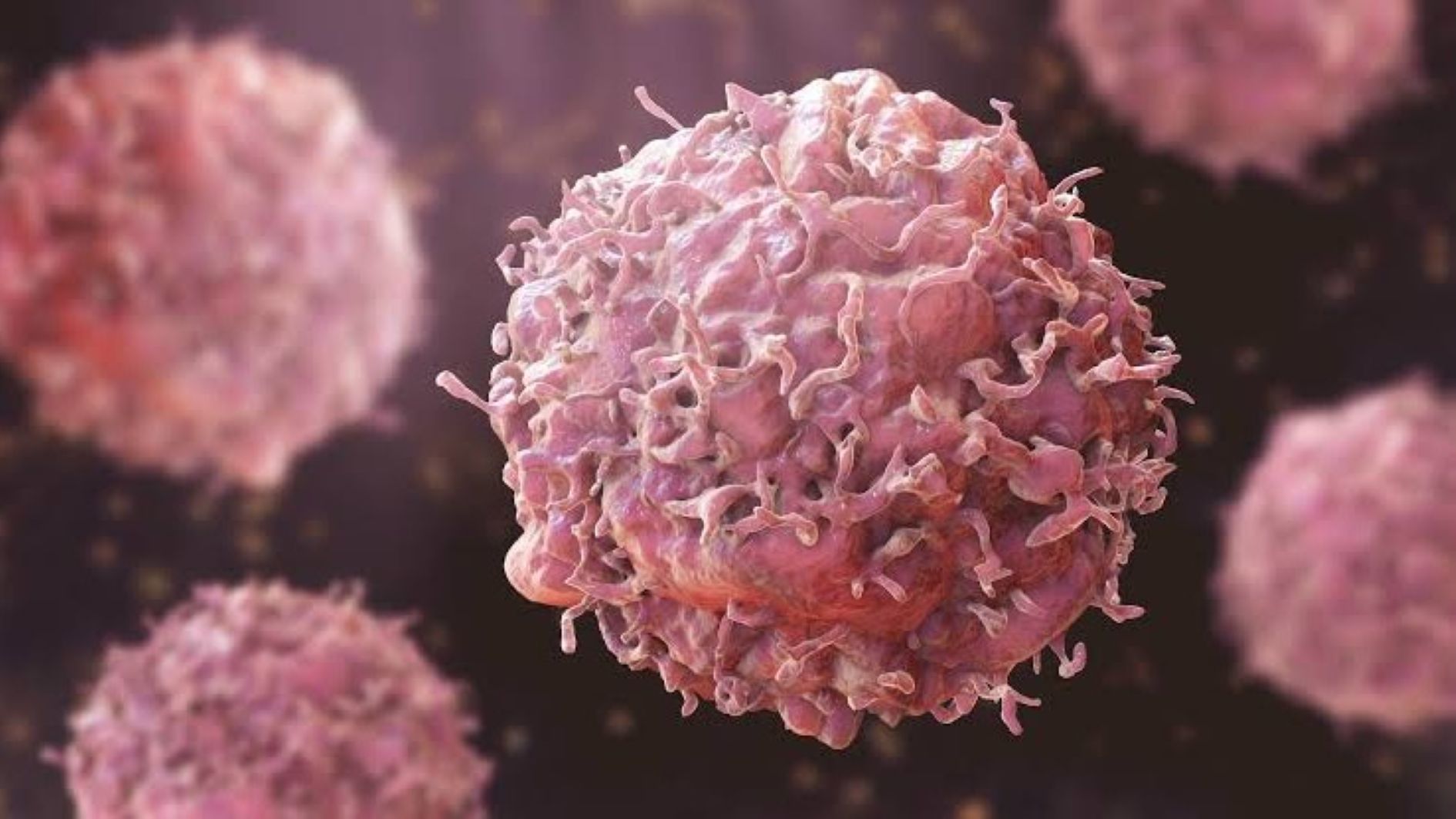
The National Institute for Cancer Research and Treatment (NICRAT) has initiated plans to establish a national cancer biobank network across Nigeria, a move expected to strengthen cancer research, improve understanding of the genetic changes driving the disease, and advance the development of targeted treatments for Nigerian patients.
The establishment of a National Cancer Biobank Network will help to generate locally relevant scientific evidence, improve treatment outcomes and reduce the country’s dependence on cancer therapies developed largely from research involving other populations.
The initiative, spearheaded by NICRAT in partnership with BioVana, will establish interconnected biobanking centres in eight cancer centres of excellence across Nigeria’s six geopolitical zones, creating a national resource for cancer specimens, genomic research and the development of targeted therapies.
Speaking at the National Cancer Biobank Network Capacity-Building Workshop, the Director-General of NICRAT, Dr Usman Aliyu, said the initiative represented a critical investment in Nigeria’s research capacity and the future of cancer control.
Aliyu stated that the country must begin to generate its own scientific evidence if it is to benefit fully from advances in precision oncology, an approach in which treatment is tailored to the biological and genetic characteristics of an individual patient’s cancer.
He noted that cancer remains a major public health challenge in Nigeria, with too many patients presenting at advanced stages adding that reliable evidence from the Nigerian population was essential to improving diagnosis and treatment.
Aliyu observed that people of African ancestry remained underrepresented in global cancer research, leaving many diagnostic tools, medicines and treatment guidelines informed by evidence from other populations.
“If Nigeria is to fully benefit from precision oncology, we must generate our own evidence, from Nigerian patients, for Nigerian patients,” he said.
According to him, the biobank network is expected to provide researchers with access to properly collected, processed and preserved cancer tissues, blood samples and associated clinical data, enabling them to investigate the genetic changes that drive different cancers among Nigerians.
He said, “Availability of locally collected samples would enable researchers to investigate the specific genetic changes responsible for cancers affecting Nigerians, rather than relying solely on findings from studies conducted elsewhere.There is no growth generally or development without research,” .
Aliyu emphasised that cancer research required actual biological samples rather than relying exclusively on virtual models adding that the specimens would provide researchers with opportunities to conduct genomic studies and identify mutations associated with cancers such as breast, cervical and prostate cancer.
Such discoveries, the DG noted, could support the development of precision oncology, an approach that uses information about the genetic characteristics of a patient’s cancer to guide treatment.
“Under this approach, researchers and clinicians can identify specific molecular changes driving cancer growth and develop or select therapies designed to target those changes, potentially improving treatment outcomes. The initiative also seeks to address a longstanding challenge in cancer research in Nigeria: the limited availability of locally generated genomic evidence to guide diagnosis and treatment”.
Aliyu urged participating institutions to use the workshop to establish clear commitments and produce a leadership communiqué translating the initiative’s objectives into practical actions.

Also speaking, Head of Research and Innovation at NICRAT, Dr Chinyere Okafor, explained that the eight participating centres would form an interconnected national research system rather than operate as isolated institutions.
According to her, the initial phase would serve as a pilot, with plans to expand the network to other parts of the country.
The arrangement, she said, would enable researchers to collect and analyse specimens from different geopolitical zones, compare findings and build a clearer picture of the genetic characteristics of cancers across Nigeria.
With a coordinated system in place, researchers could investigate regional variations in cancer biology and generate evidence to guide the development of precision oncology and targeted treatment strategies.
A representative of BioVana said the partnership was adopting a capacity-building approach that prioritises transferring the knowledge and technical expertise required for participating institutions to operate their biobanks independently over the long term.
Rather than simply conducting research and leaving, the organisation is training personnel and supporting professional qualifications, certifications and accreditation to strengthen local capacity.
The representative explained that sustainable financing, revenue-sharing arrangements and benefit-sharing mechanisms would also form part of the strategy to ensure the network remains operational beyond the initial phase of implementation.
The approach is intended to address a longstanding challenge in research partnerships, where expertise and operational capacity sometimes remain with external collaborators instead of becoming embedded in the institutions expected to sustain the programmes.
For NICRAT, the objective is to establish a coordinated national platform through which institutions can share knowledge, collaborate on research and build the capacity to generate evidence that directly informs cancer care in Nigeria.
An expert who spoke at the workshop warned that cancer incidence could nearly double over the next 20 years, citing factors including urbanisation, changing lifestyles and environmental exposures.
The expert said the collection of biological specimens alongside reliable clinical data would help researchers study present-day cancer patterns, monitor changes over time and improve projections of the country’s future cancer burden.
Such information could also help investigators examine how different cancers respond to available treatments, potentially informing future clinical research and treatment strategies.
The biobank initiative forms part of broader efforts to strengthen cancer control under the National Cancer Control Plan 2026–2030, which provides a policy framework for tackling the disease in Nigeria.
NICRAT has also established eight preventive oncology clinics to support early detection, addressing one of the major challenges in cancer management: patients frequently presenting when the disease has already advanced.
The capacity-building workshop brought together representatives of the eight participating cancer centres, researchers and technical partners to develop a common framework for operating the network.

