 Follow Us on Google News



 Follow Us on Google Discover
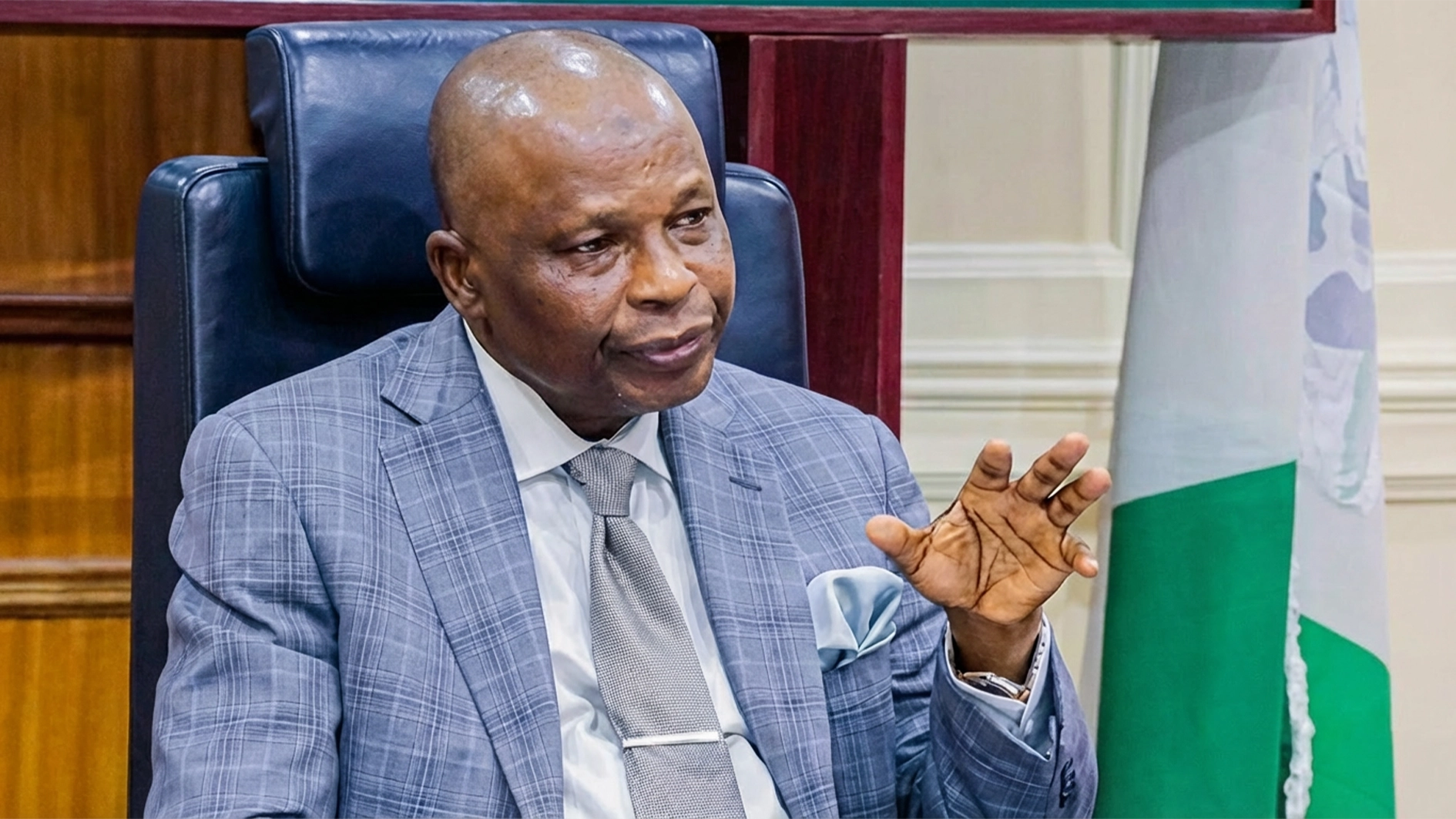
The Attorney-General of the Federation (AGF) and Minister of Justice, Prince Lateef Fagbemi (SAN), has disclosed that 653 defendants have been convicted in the ongoing 11th phase of terrorism trials, out of 880 cases heard as of midday on Friday.
Fagbemi, who described the exercise as the largest since the commencement of the mass trials, said 1,060 suspects had been brought before the courts during the phase.
He disclosed this on Friday while giving an update on the proceedings, explaining that seven defendants had been acquitted, while 27 others had been discharged as of about 12:15 p.m.
The AGF, however, said the figures were provisional, as proceedings were still ongoing, adding that the Federal Government would provide the final statistics after the conclusion of the exercise.
The 11th phase is part of the Federal Government’s efforts to prosecute terrorism suspects, tackle terrorism financing and address related security offences through the courts.
Fagbemi attributed the scale of the exercise to the cooperation of the judges, prosecution and defence lawyers, as well as security and other relevant government agencies involved in the trials.

He particularly commended the judges who presided over the proceedings under the leadership of Justice Binta Nyako of the Federal High Court, who has been acting in place of the Chief Judge of the court on issues related to the ongoing trial.
According to him, the arrangement under which multiple judges sit simultaneously has helped to expedite the cases, particularly during the ninth, 10th and 11th phases of the exercise.
The minister also acknowledged the contributions of the Office of the National Security Adviser, the Department of State Services (DSS), the military, the police, correctional centres and the Legal Aid Council of Nigeria.
He said the collaboration among the agencies had been crucial to the prosecution of the suspects and the progress recorded so far.
Fagbemi also commended journalists for informing the public about the government’s efforts to ensure that terrorism, terrorism financing and related offences were not allowed to thrive in the country.
The minister also addressed concerns about the legal representation available to defendants, disclosing that many of the suspects were represented by lawyers from the Legal Aid Council.
He clarified, however, that private legal practitioners were also involved in defending some of the defendants.
According to him, defence lawyers were not merely appearing in court on the days of proceedings but had also been granted opportunities to interact with their clients before the trials.
He explained that lawyers visited detention facilities, consulted the defendants and prepared their cases ahead of the court sessions.
Fagbemi said such preparatory activities were part of the process but could not all be subjected to public scrutiny because of the security implications associated with the proceedings.
The involvement of defence lawyers, including those provided through the Legal Aid Council, forms part of the arrangements for ensuring that the defendants have legal representation during the trials.
Deradicalisation after trial
On the issue of deradicalisation for defendants recommended by the courts, Fagbemi said the process remained an important component of the government’s response to terrorism.
He explained that deradicalisation was intended to help eligible defendants reconsider the actions that brought them into contact with the law and prepare them for reintegration into society.
The AGF said the objective was to ensure that those who eventually returned to their communities could resume their lives without returning to extremist activities.
He stressed that the process was important in addressing the underlying factors associated with radicalisation and supporting the reintegration of eligible individuals.
The issue arose amid concerns that some defendants had already spent periods in detention equivalent to, or longer than, the sentences imposed on them, raising questions about the implementation of deradicalisation recommendations.
Fagbemi maintained that deradicalisation was an integral part of the exercise, stressing the need to prepare those concerned for their eventual return to society.

