 Follow Us on Google News



 Follow Us on Google Discover
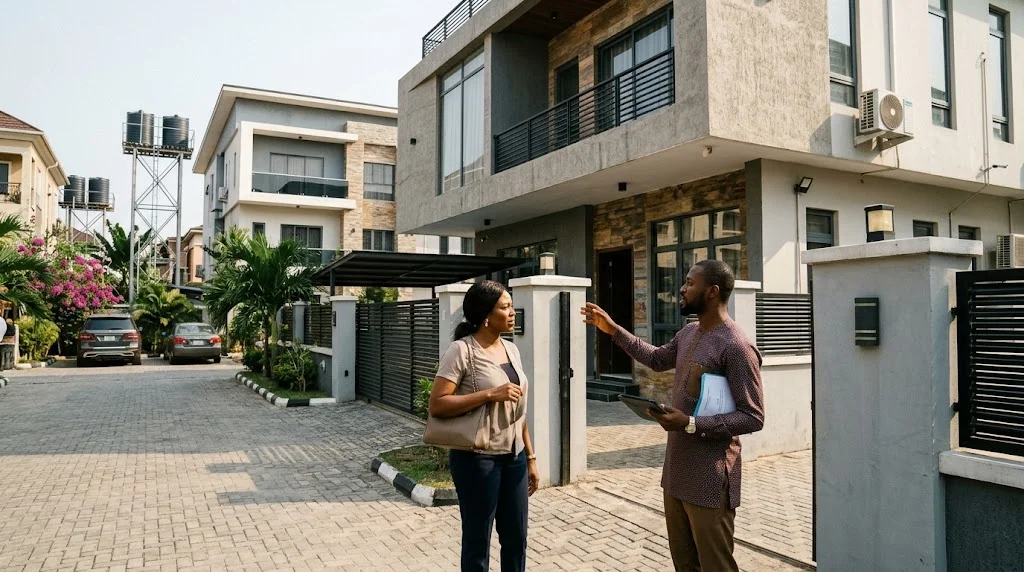
For most Nigerians, buying a home is not an ordinary purchase.
It may represent decades of savings, years of mortgage repayments, proceeds from a business, retirement funds or money earned abroad and painstakingly sent home.
Yet something remarkable happens when many people make what may be the largest financial commitment of their lives.
They purchase with remarkably little independent information about the physical condition of the asset.
A buyer may engage a lawyer to investigate title. A surveyor may confirm boundaries. An agent facilitates negotiations. The bank may conduct a valuation.
All these are important.

But who represents the buyer’s interest when the question is simply: What condition is this building actually in?
This gap deserves to be treated as a consumer protection issue.
Property buyers face information inequality
Most property transactions contain a natural imbalance of information.
The developer knows more about how the building was constructed than the buyer.
The seller knows more about the history of an occupied property than the prospective purchaser.
The estate agent may have visited the property many times. The buyer may spend 30 minutes there before deciding whether to commit millions of naira.
This creates what economists describe as information asymmetry.
One party knows considerably more about the product than the other.
In many industries, systems have evolved to reduce this imbalance. Consumers receive warranties, product specifications, safety information, independent testing or regulatory disclosures.
Property deserves similar thinking.
A buyer should not have to discover significant defects only after receiving the keys.
A beautiful building can still be defective
Nigeria’s real estate market places considerable emphasis on appearance.
Marketing photographs highlight marble floors, fitted kitchens, lighting, swimming pools, balconies and landscaped surroundings.
These features have value.
But a building is a system, not a photograph.
Behind the finishes are electrical installations, plumbing, waterproofing, roofing, drainage and structural components. The performance of these elements determines whether a beautiful property remains an asset or gradually becomes a financial burden.
A freshly painted wall can conceal moisture.
An impressive bathroom can have poor drainage.
A new roof can be improperly installed.
A newly completed house can contain significant workmanship defects.
This is why the language used in property transactions needs to evolve.
“Brand new” describes age.
It does not certify quality.
Inspection should happen before commitment
The best time for a buyer to understand a property’s condition is before completing the transaction, not afterwards.
Independent property inspection can help identify observable defects, areas requiring further specialist investigation, maintenance concerns and potential safety issues.
It can also give the purchaser a clearer basis for making decisions.
The buyer may proceed with the purchase.
The buyer may negotiate repairs.
The buyer may renegotiate the price.
The buyer may seek specialist advice.
Or the buyer may decide that the risks are greater than anticipated.
The inspector’s job is not to tell someone whether to buy a house.
It is to give the buyer better information with which to make that decision.
That distinction matters.
Developers also stand to benefit
Consumer protection is sometimes wrongly interpreted as being anti-business.
It is not.
Greater transparency can benefit reputable developers.
Developers who invest in sound construction should have an interest in distinguishing their projects from poorly executed alternatives.
Independent inspection can identify defects before handover, reduce disputes after occupation and provide evidence of quality assurance.
In a market where consumers increasingly question what they are being sold, verified quality can eventually become a competitive advantage.
The property industry should therefore not view greater scrutiny as a threat.
It should view it as part of market maturation.
Banks and mortgage providers have a stake
Financial institutions should also pay attention.
When a bank finances a property transaction, the physical condition of the underlying asset is not irrelevant.
Valuation answers an important question about worth. But valuation and condition assessment are not identical exercises.
A property may command a particular market value while containing defects that require substantial expenditure.
As Nigeria attempts to deepen mortgage penetration and housing finance, there is a strong argument for making physical property verification a more visible part of risk assessment.
The stronger the information available about an asset, the better informed the decisions surrounding that asset can become.
Diaspora buyers face an even greater challenge
The problem becomes more pronounced for Nigerians buying property from outside the country.
Many diaspora investors purchase properties based on photographs, videos, virtual tours, recommendations and representations from people involved in the transaction.
Distance increases dependence on information supplied by others.
Independent verification can therefore become particularly important.
A person investing from London, Toronto, Houston, Johannesburg or Dubai should be able to commission an independent assessment and receive structured evidence about the condition of a property without relying solely on the party selling it.
Technology makes this increasingly practical.
Inspection reports can incorporate photographs, videos, defect records and other documentation that allows buyers to make decisions remotely with better information.
We need a culture of disclosure
In the longer term, Nigeria should consider what information buyers should reasonably expect when purchasing residential property, particularly newly constructed homes.
Should significant known defects be disclosed?
Should buyers receive clearer information about major building systems?
Should large developments maintain better construction quality records?
Should buyers have opportunities for independent inspection before final handover?
Should defects identified before possession be formally documented and tracked until resolution?
These questions should form part of the broader conversation about consumer rights in housing.
Buying property should not require blind faith.
The market will eventually demand verification
Nigeria’s real estate sector is evolving.
Buyers are becoming more sophisticated. Diaspora investment remains important. Technology is changing how properties are marketed and purchased. Institutional investors increasingly require better documentation.
The next stage of that evolution should be greater transparency about building quality.
Eventually, buyers may begin to ask not merely whether a property is beautiful, well located or properly titled.
They will ask for evidence of its condition.
And when enough consumers begin asking that question, the market will change.
Nigeria has spent years improving awareness around verifying land titles before purchasing property. That progress should continue.
But our understanding of due diligence must now expand.
The document should be verified.
The ownership should be verified.
The location should be verified.
And the physical asset itself should be verified.
Because consumer protection in real estate should not end with proving that the house legally belongs to you.
It should include helping you understand the condition of the house that is about to become yours.
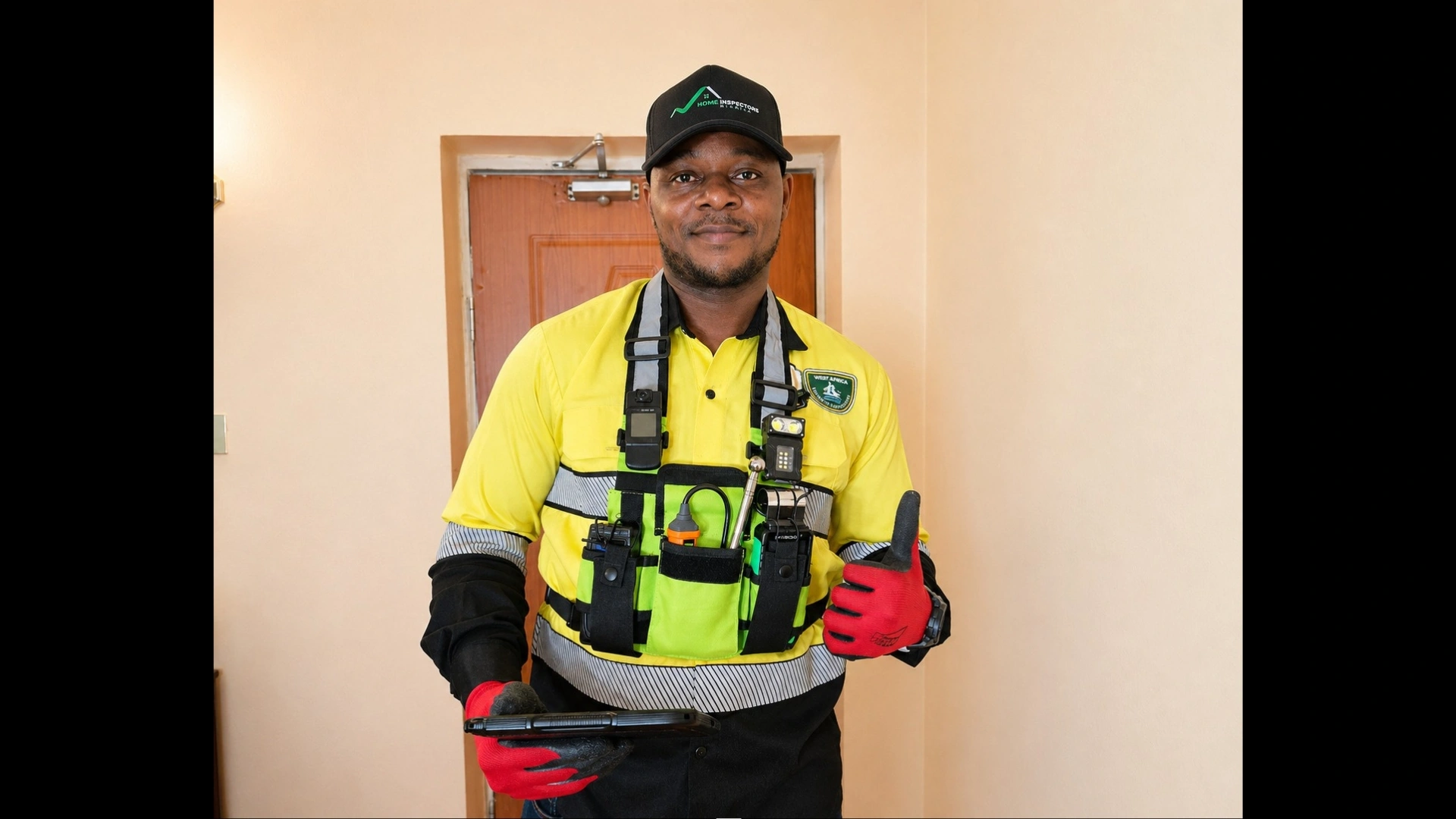
Ikechukwu Casper Chidubem is a building quality and property verification professional, President of Home Inspectors Nigeria (HINL) and CEO of InspectAfrica, a Pan-African building quality ecosystem providing inspection, professional training, certification, technology and standards development. He works with homeowners, investors, developers and institutions on property verification, construction quality assurance and technical due diligence across Africa.

