 Follow Us on Google News



 Follow Us on Google Discover
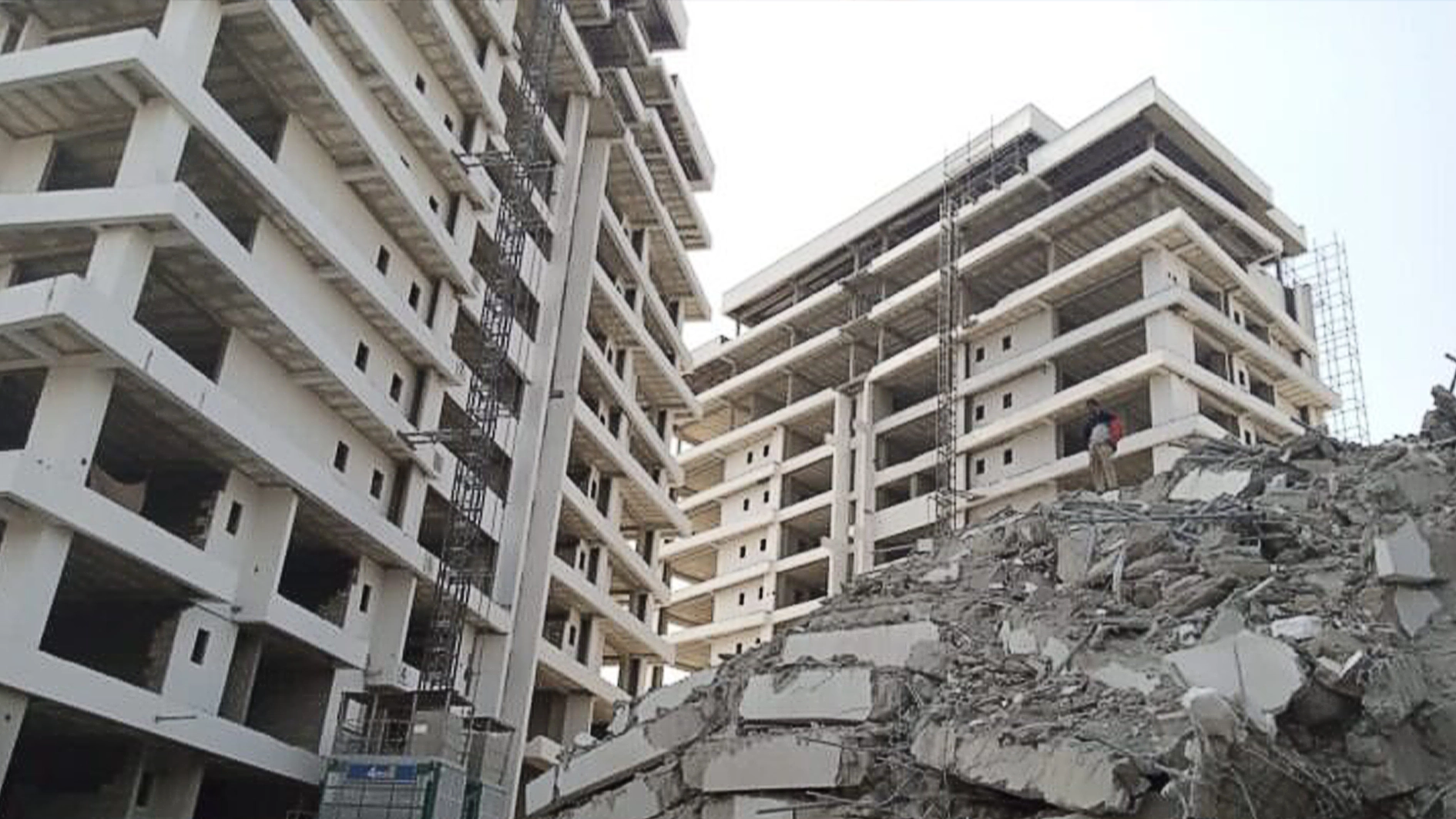
Whenever a building collapses in Nigeria, the questions arrive almost immediately.
Was the structure approved? Were the right materials used? Did the developer follow the approved design? Were there warning signs? Who supervised the construction? Which agency was responsible for ensuring compliance?
Then come the investigations, official statements, site visits and promises that lessons will be learnt.
Until another building collapses.
This recurring cycle points to a deeper problem. Nigeria does not necessarily suffer from an absence of rules governing construction. What we lack is a sufficiently robust culture of verification throughout the life of a building project.
There is an important difference between requiring something to be done and independently confirming that it was actually done.

That difference may determine whether our efforts to prevent building failures succeed.
Approval is only the beginning
Obtaining planning approval is important, but approval of a proposed building does not automatically guarantee the quality of the completed structure.
A drawing tells us what should be built. The construction site tells us what is actually being built.
Between those two points are hundreds of decisions involving materials, workmanship, structural components, electrical installations, plumbing, waterproofing, drainage and other elements that ultimately determine how a building performs.
A project may begin with appropriate designs and specifications but encounter problems during execution.
Materials may be substituted. Workmanship may fall below specification. Construction methods may change. Defects may be concealed by subsequent work.
Once concrete has been poured, ceilings installed, walls plastered and finishes applied, evidence of what happened during earlier construction stages becomes increasingly difficult to establish.
This is why effective quality assurance cannot begin when construction has finished.
Verification must follow construction.
We need evidence, not assumptions
One of the changes Nigeria’s building industry needs is a shift from assumption-based compliance towards evidence-based compliance.
Instead of merely asking whether a particular stage of construction has been completed, we should increasingly ask: what evidence demonstrates that it was completed correctly?
This means documenting critical stages of construction through structured inspections, photographs, testing where appropriate, defect registers and auditable records.
Consider a multi-storey residential development.
Before certain structural elements become concealed, there should be documented evidence of their condition and conformity with relevant specifications. Before a contractor progresses beyond critical milestones, identified defects should be recorded and addressed.
The principle should be straightforward:
Construct. Inspect. Document. Correct. Verify.
This is not bureaucracy for its own sake. It is risk management.
Independence matters
There is another issue we must confront.
Can a system rely entirely on those responsible for delivering a project to provide assurance about the quality of what they themselves delivered?
Architects, engineers, builders, contractors and developers all have important professional responsibilities. Government regulators also have statutory responsibilities.
Independent verification does not replace any of them.
It strengthens the system by introducing another layer of accountability.
An independent professional whose responsibility is to examine and document the condition of work without a commercial interest in declaring the project satisfactory can provide valuable protection for developers, financiers, regulators and eventual occupants.
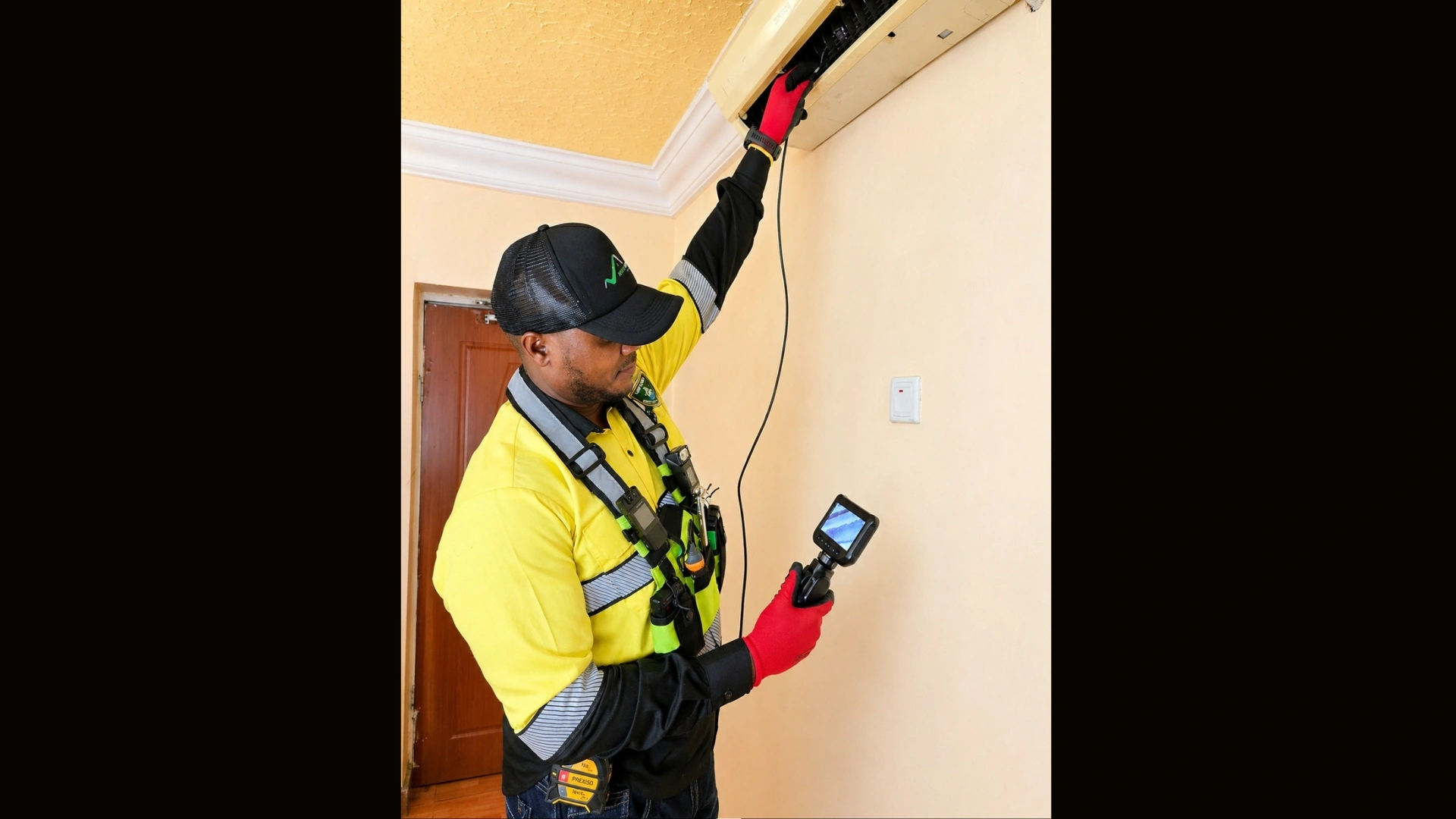
This principle already exists in many other areas of economic activity.
Businesses are audited. Products are tested. Financial transactions undergo compliance checks. Vehicles are inspected.
Buildings, among the most expensive and consequential assets people will ever own or occupy, deserve equally serious verification.
Technology can change construction accountability
Nigeria also has an opportunity to use technology to improve how building quality is documented.
Inspection records no longer need to exist only as handwritten notes buried in project files.
Digital inspection systems can create time-stamped records, photographs, defect histories, corrective-action logs and reports associated with specific stages of construction.
Over time, such information can create something extremely valuable: a traceable quality history for a building.
Imagine purchasing an apartment and being able to review documented inspections conducted during important stages of its construction.
Imagine a bank financing a development and being able to verify that physical progress corresponds with funding milestones.
Imagine a regulator being able to review a structured history of inspections rather than trying to reconstruct events after something has gone wrong.
That is the direction in which a modern property market should move.
Accountability must come before tragedy
Nigeria’s conversation about building safety is too frequently reactive.
We investigate after collapse.
We identify irregularities after people have lost their lives.
We ask who failed after the failure has become irreversible.
The more important question is what systems can identify problems before they become disasters.
No inspection regime can guarantee that a building will never fail. Construction involves numerous variables, and professional competence across architecture, engineering, building, quantity surveying and other disciplines remains essential.
But systematic verification can make it more difficult for defects, deviations and poor workmanship to pass unnoticed.
That alone makes it worth strengthening.
From building control to building assurance
The long-term objective should be broader than simply enforcing building regulations.
Nigeria needs a culture of building assurance.
That means creating a system in which developers can demonstrate how projects were constructed, professionals can document critical decisions, financiers can verify progress, regulators can access credible evidence and buyers can receive meaningful information about the properties they are acquiring.
Ultimately, safer buildings will not emerge from regulations alone.
They will emerge when regulation is combined with professional competence, transparency, documentation and independent verification.
Every time a building collapses, Nigeria asks what went wrong.
A better system would ask that question much earlier, while there is still time to correct the answer.
The future of building safety must therefore be preventive rather than investigative.
We should not wait for rubble before demanding evidence that a building was built right.

Ikechukwu Casper Chidubem is a building quality and property verification professional, President of Home Inspectors Nigeria (HINL) and CEO of InspectAfrica, a Pan-African building quality ecosystem providing inspection, professional training, certification, technology and standards development. He works with homeowners, investors, developers and institutions on property verification, construction quality assurance and technical due diligence across Africa.

