 Follow Us on Google News



 Follow Us on Google Discover
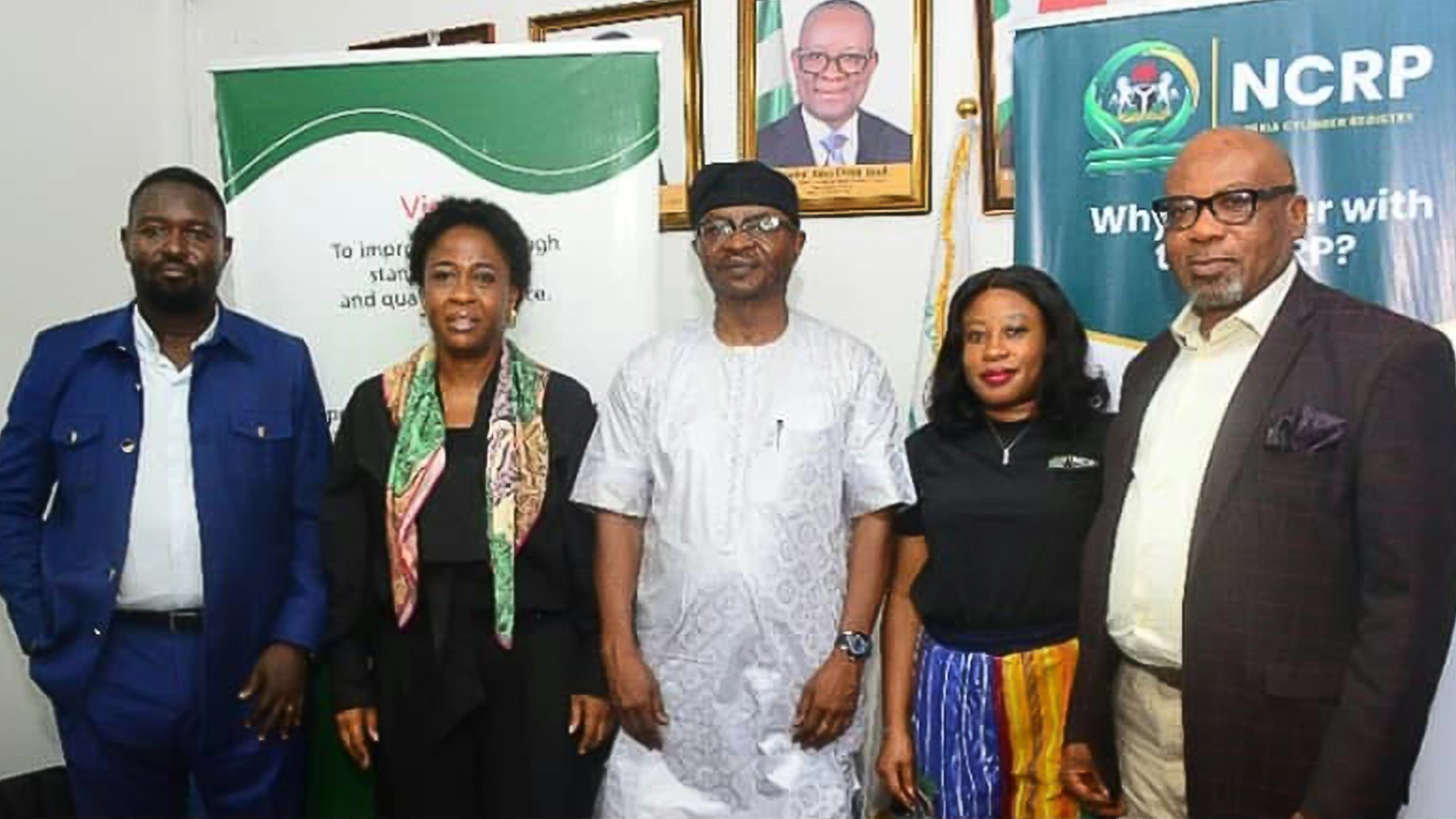
The Standards Organisation of Nigeria (SON) has introduced a national programme to remove expired and unsafe liquefied petroleum gas (LPG) cylinders from circulation, as part of efforts to strengthen consumer safety and expand access to cleaner cooking energy.
The National Cylinder Recirculation Programme (NCRP), announced in Lagos I’ve the weekend, will establish a coordinated system for registering, inspecting, requalifying and digitally tracking gas cylinders to address safety risks associated with damaged, uncertified and poorly maintained cylinders.
Under the programme, existing cylinders entering the system will undergo safety assessments at authorised requalification facilities, with those that meet prescribed standards approved for continued use, while cylinders that fail the required checks will be withheld for corrective action or disposal.
The initiative will also enable consumers to exchange existing cylinders through approved retailers, with collected cylinders transferred to designated facilities for inspection and requalification.
The programme is expected to progressively replace unsafe cylinders in circulation while establishing a traceable system for monitoring their movement and condition throughout their lifecycle.
Speaking at the launch, the Director-General of SON, Dr Ifeanyi Okeke, said effective cylinder safety required more than access to cooking gas, stressing the importance of quality standards, responsible handling and proper monitoring.

“Through the NCRP, we are unifying statutory quality control with digital traceability to protect Nigerian lives and property while building consumer trust in clean energy,” he said.
At the centre of the initiative is a National Cylinder Registry, which will assign unique digital identities to cylinders and track key activities, including registration, inspection, requalification, filling, distribution and exchange.
The digital system is designed to improve accountability across the LPG supply chain, enabling relevant stakeholders to monitor cylinders and identify those requiring inspection or withdrawal from circulation.
Beyond safety, the programme is expected to create business opportunities in domestic cylinder manufacturing, inspection services, requalification facilities, logistics and distribution, while supporting the Federal Government’s Decade of Gas agenda.
Lead Programme Director of the NCRP Secretariat and Managing Director of FuelTree, Dr Bekeme Olowola, said the initiative would establish a national framework connecting regulators, manufacturers, marketers, retailers and requalification facilities through a common digital infrastructure.
“The NCRP is about much more than putting QR codes on gas cylinders. We are building a national system that makes cylinder safety verifiable, supports the expansion of domestic LPG consumption and creates new opportunities for investment, enterprise development and job creation,” she said.
Olowola said the programme could also attract international climate finance by providing data to measure and verify eligible environmental benefits associated with the transition to cleaner household cooking fuels.
Subject to applicable carbon market methodologies, independent verification and regulatory approvals, she said, the programme could generate carbon credits and attract financing to subsidise cylinder access, improve affordability for vulnerable households and accelerate the adoption of clean cooking alternatives.
The initiative is expected to support efforts to move households away from traditional cooking fuels such as firewood, charcoal and kerosene towards LPG, potentially reducing exposure to harmful household smoke and pressure on forest resources.
However, the potential carbon finance benefits will depend on the programme’s ability to demonstrate measurable environmental gains and satisfy the requirements of relevant carbon market frameworks.
The Nigerian Association of Liquefied Petroleum Gas Marketers (NALPGAM) has also stressed the need to withdraw obsolete cylinders from circulation, warning that some cylinders remain in use long after their intended service life.
The association’s Executive Secretary, Bassey Essien, said removing expired cylinders would require sustained collaboration among regulators and industry operators.
“There are many types of cylinders in circulation, and to be frank, some are long overdue for withdrawal. I still have a cylinder in my secretariat that is 60 years old, which I have kept as a specimen,” he said.
“Cylinders have a lifespan, and once they exceed it, they should be removed from circulation.”
Industry participation is expected to be central to the programme’s implementation, particularly in establishing the retail networks, logistics systems and requalification capacity needed to support cylinder exchanges nationwide.
General Manager of Better Gas, Bolaji Orofinlu, said the company’s cylinder-swapping model and micro-distribution centres across Abuja were aligned with the objectives of the initiative.
“Ensuring last-mile access requires reliable supply logistics and strong retail partnerships,” he said, adding that the programme offered opportunities to support cylinder requalification and expand the availability of safe cylinders in the market.
The programme’s regulatory and policy framework draws on the SON Act No. 14 of 2015 and relevant government directives on cylinder safety, quality assurance and traceability.
Its implementation also involves engagement with relevant government institutions, including the Federal Ministry of Industry, Trade and Investment, the Federal Ministry of Petroleum Resources, the Nigerian Midstream and Downstream Petroleum Regulatory Authority, the National Council on Climate Change and the Decade of Gas Secretariat.
Following the Lagos announcement, the programme will proceed with stakeholder onboarding, integration of the digital registry and phased implementation across Nigeria’s six geopolitical zones.
The national unveiling is scheduled for October 28 and 29 in Abuja, alongside the Nigeria Clean Cooking Forum 2026.

