 Follow Us on Google News



 Follow Us on Google Discover
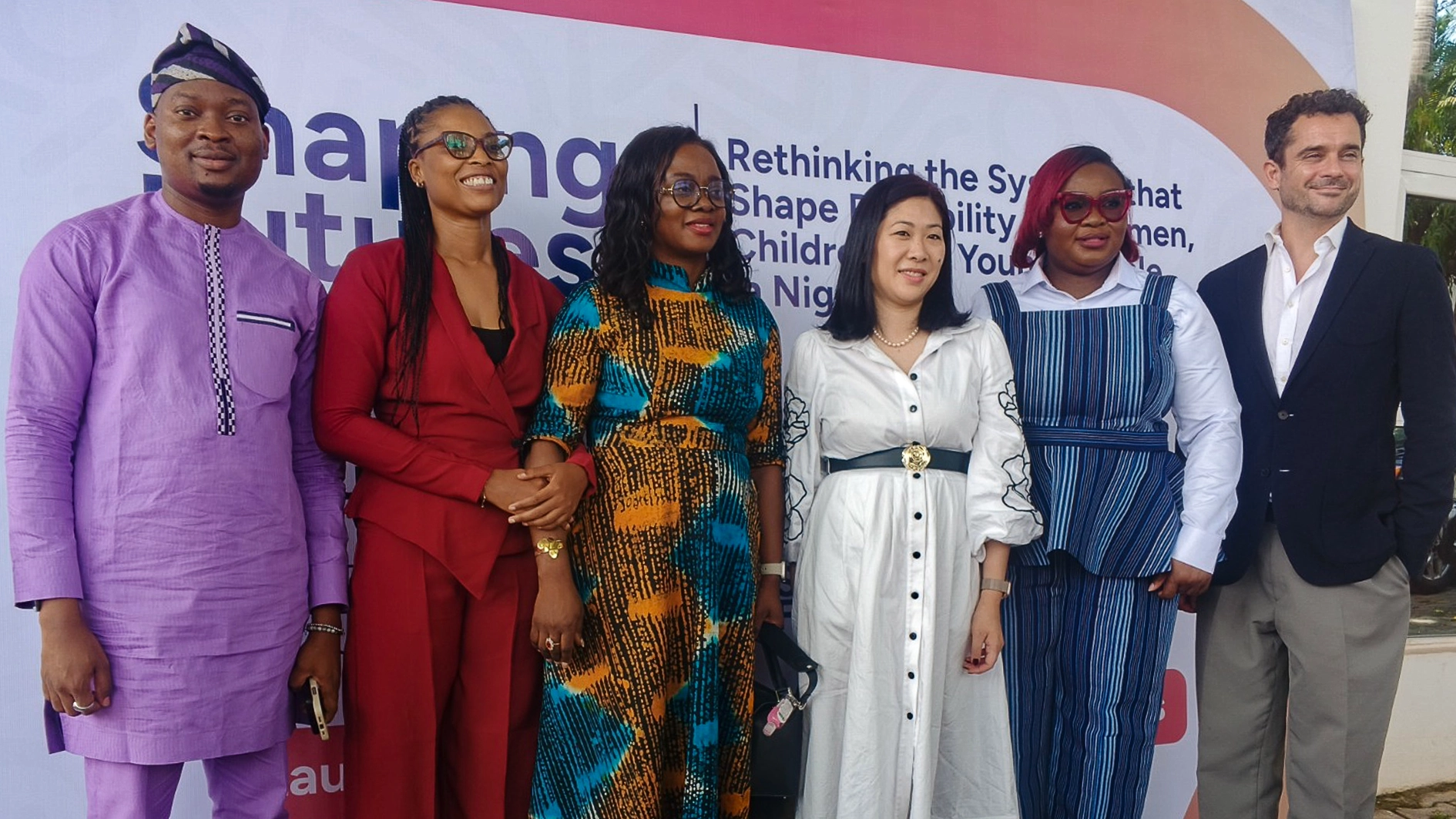
The Inclusive Futures Initiative (IFI), has revealed that about one-third of Nigerian children aged 5-17 are engaged in child labour, affecting their education and exposing millions to workplace injuries.
The report estimates that out of 62.9 million Nigerian children in the age bracket, approximately 24.6 million are involved in child labour, highlighting persistent challenges in protecting children’s rights and ensuring access to education.
IFI Executive Director, Lucy Okonkwo, disclosed this in Abuja, during the report presentation and unveiling of IFI’s inaugural knowledge products, aimed at strengthening the protection of women, children and young people through evidence-based policymaking, institutional collaboration and improved accountability.
Okonkwo called for greater use of data in policymaking and stronger institutional capacity to address challenges affecting vulnerable groups.
She said evidence-based interventions were critical to identifying gaps in existing policies and developing effective responses to the problems confronting women, children and young people.
She said: “Child labour is also widespread of the 62.9 million, Nigerian children aged 5–17, roughly one-third of the population. 24.6 million are engaged in child labour. This affects school attendance and exposes children to workplace injury and 22 percent of girls are reportedly prevented from attending school by their families.”

She also said that more than 30 per cent of Nigerian girls marry before the age of 18, while 12.3 per cent marry before turning 15, with Bauchi State recording the highest rate.
Okonkwo said early marriage frequently disrupts girls’ education and limits their financial independence, particularly in conflict-affected communities.
Speaking at the launch, IFI board member, Adenike Aloba, said Nigeria had invested considerable resources in advocacy, research and programmes to advance the rights of women, children and young people, but many challenges persisted because interventions were often implemented in isolation.
She said IFI was promoting a systems-based approach that would enable organisations to identify gaps, share expertise and coordinate their activities towards achieving measurable results.
Aloba explained that addressing technology-facilitated gender-based violence, for instance, required collaboration among public finance experts, digital rights advocates and frontline organisations supporting survivors.
She said: “We are introducing knowledge products designed to make these relationships more visible. By examining the issues, policies, investments, actors and interventions, we hope to provide a stronger evidence base for asking better questions, making better decisions and identifying opportunities for collective action for women, children and young people in Nigeria.”
She urged civil society organisations, policymakers, researchers and development partners to engage with the findings, challenge existing assumptions and contribute their expertise and resources towards building more effective protection systems.
Also speaking, the Chief Executive Officer of Luminate, Melanie Hui, said the growing influence of technology across different sectors had made collaboration increasingly important in tackling emerging social challenges.
Hui said supporting initiatives such as IFI would help communities shape a digital future that reflected their aspirations, rather than allowing technology companies to become the sole determinants of how digital technologies affected people’s lives.
Similarly, the Regional Director of Luminate Africa, Toyin Akinniyi, said sustainable progress in protecting women, children and young people required effective systems linking legal protections with the institutions, resources and services needed to enforce them.
She said the existence of laws and policies did not automatically guarantee that people could exercise their rights, emphasising the need for capable institutions, adequate funding, reliable information and accessible mechanisms for seeking redress.
Akinniyi warned that when support services failed to work together, survivors of abuse were often left to navigate complex systems on their own.
She added that while technology could help young people access information and support, it could also expose them to abuse, privacy violations and other forms of harm.
According to her, IFI’s legal and policy research would help stakeholders identify gaps between promised protections and people’s actual experiences, while its ecosystem intelligence map would illustrate relationships among organisations, interventions and resources.
The initiative said its knowledge products were designed to connect government policies, budgets, institutional records and interventions, with the aim of addressing persistent gaps in the protection of vulnerable populations.

