 Follow Us on Google News



 Follow Us on Google Discover
. Nigeria needs $40b oil, gas investment by 2030 as Africa imports 70% of fuel
. NMDPRA unveils Revised Gas Network Code, targets 4.4bcf daily pipeline capacity
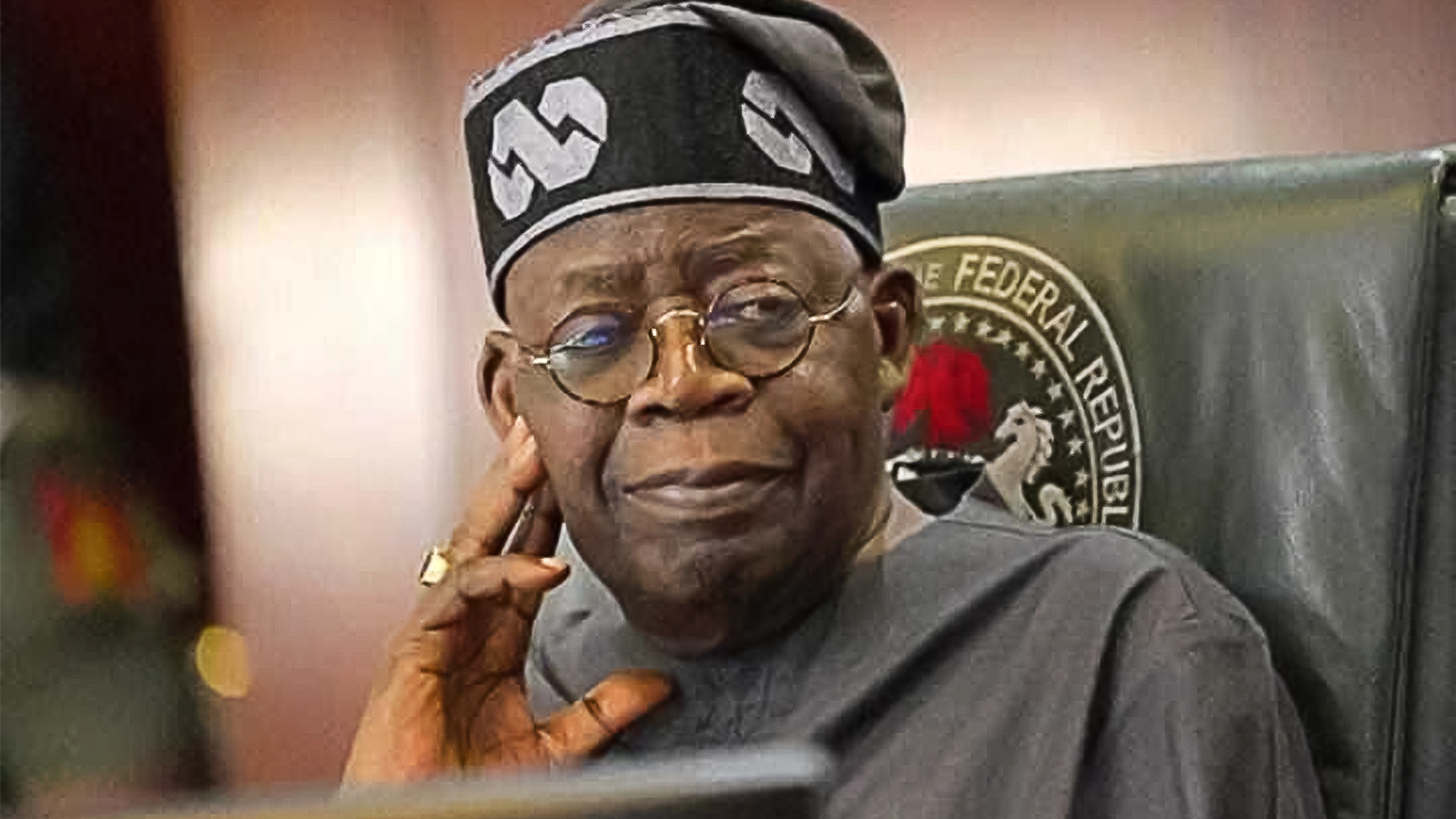
President Bola Tinubu has pledged to rehabilitate Nigeria’s dormant national refineries, insisting that the facilities will not be allowed to become stranded investments as domestic refining expands, even as the country requires up to $40 billion in fresh oil and gas investment by 2030.
The President, represented by the Permanent Secretary of the Ministry of Petroleum Resources, Patience Oyekunle, at the 20th OTL Africa Downstream Energy Week in Lagos yesterday, outlined the government’s commitment to restoring the national assets and creating a commercially sustainable petroleum industry.
His pledge comes as the Nigerian Midstream and Downstream Petroleum Regulatory Authority (NMDPRA) Chief Executive, Rabiu Umar, disclosed that domestic refineries now account for three out of every four litres of petrol supplied to Nigerians, while imports have more than halved in a year.
The development marked a significant shift in a market long dependent on imported petroleum products, but Umar warned that the concentration of domestic supply in one major refinery and declining petrol stock cover remain concerns for energy security.
Tinubu said the government was adopting a more rigorous approach to restoring its refineries, supported by technical assessments, stronger partnerships and improved operational discipline.

“At the same time, the government remains committed to ensuring that existing national refining assets are not allowed to become stranded investments. We are pursuing a more rigorous, commercially sustainable approach to the rehabilitation and repositioning of our refineries, supported by technical assessment, stronger partnerships, and improved operational discipline. Our objective is clear. Nigeria must first refine more of its crudes, create more value domestically, and become a reliable supplier of energy to Africa,” he said.
The President said reforms under the Petroleum Industry Act (PIA) were intended to create a transparent, commercially viable and investment-friendly industry capable of retaining more value from Nigeria’s hydrocarbon resources.
Tinubu identified private refining as a major turning point, citing the Dangote Petroleum Refinery’s installed capacity of 650,000 barrels per day as an important development in Nigeria’s ambition to become a net exporter of refined petroleum products.
“The emergence of large-scale private refining capacity represents an important turning point. The Dangote refinery has reached its 650,000 per day main-plate capacity, strengthening Nigeria’s prospect of becoming a net exporter of refined petroleum products and creating opportunities for regional supply,” he said.
The President said Nigeria’s ambition extended beyond crude production to building an energy economy that supports industrialisation, manufacturing, employment and technology development.
“Our commitment is therefore not to simply produce hydrocarbons. It is to create an ecosystem in which hydrocarbons catalyse industrialisation, jobs, investment, technology, and prosperity,” he said.
He urged industry operators to invest in local content, infrastructure and human capital, while strengthening environmental protection and community development.
Tinubu also encouraged investors to explore opportunities in the 2026 oil and gas licensing round, which offers 40 blocks across onshore, shallow-water and deepwater terrains. He said Nigeria had the resources, market and strategic location to become a major African energy hub.
Umar, however, highlighted the challenges accompanying the shift towards domestic refining. He said most of Nigeria’s petrol supply now comes from one large refinery, which operated above its nameplate capacity in September, making diversification essential.
“Most of this supply comes from one large refinery, which ran above its nameplate capacity in September,” he said.
The regulator said petrol consumption outpaced fresh supply in September, with existing stocks bridging the gap. Petrol cover stood at 24 days, below the authority’s 30-day threshold, while the immediate target was to raise stock sufficiency to between 30 and 45 days.
“Our cover on petrol stands at twenty-four days, below our thirty-day threshold.”
Umar said discussions with NNPC were at an advanced stage for a pilot national strategic stock programme to cushion the economy against international price and supply shocks and national emergencies.
He said import channels would remain open, with licences issued on published merit-based criteria and transparent assessments of supply shortfalls.
“For our importers, the door stays open.”
Beyond refining, Tinubu identified gas as central to Nigeria’s industrialisation ambitions, with the country holding more than 215 trillion cubic feet of proven gas reserves. Umar said investment and infrastructure, rather than the resource base, were the main constraints on converting that potential into economic value.
“The resource is not our concern. Investment and infrastructure are,” he said.
Umar said the oil and gas sector needed between $30 billion and $40 billion in fresh investment by 2030, covering processing, fertiliser, LPG, gas-flare commercialisation and supporting infrastructure.

