 Follow Us on Google News



 Follow Us on Google Discover
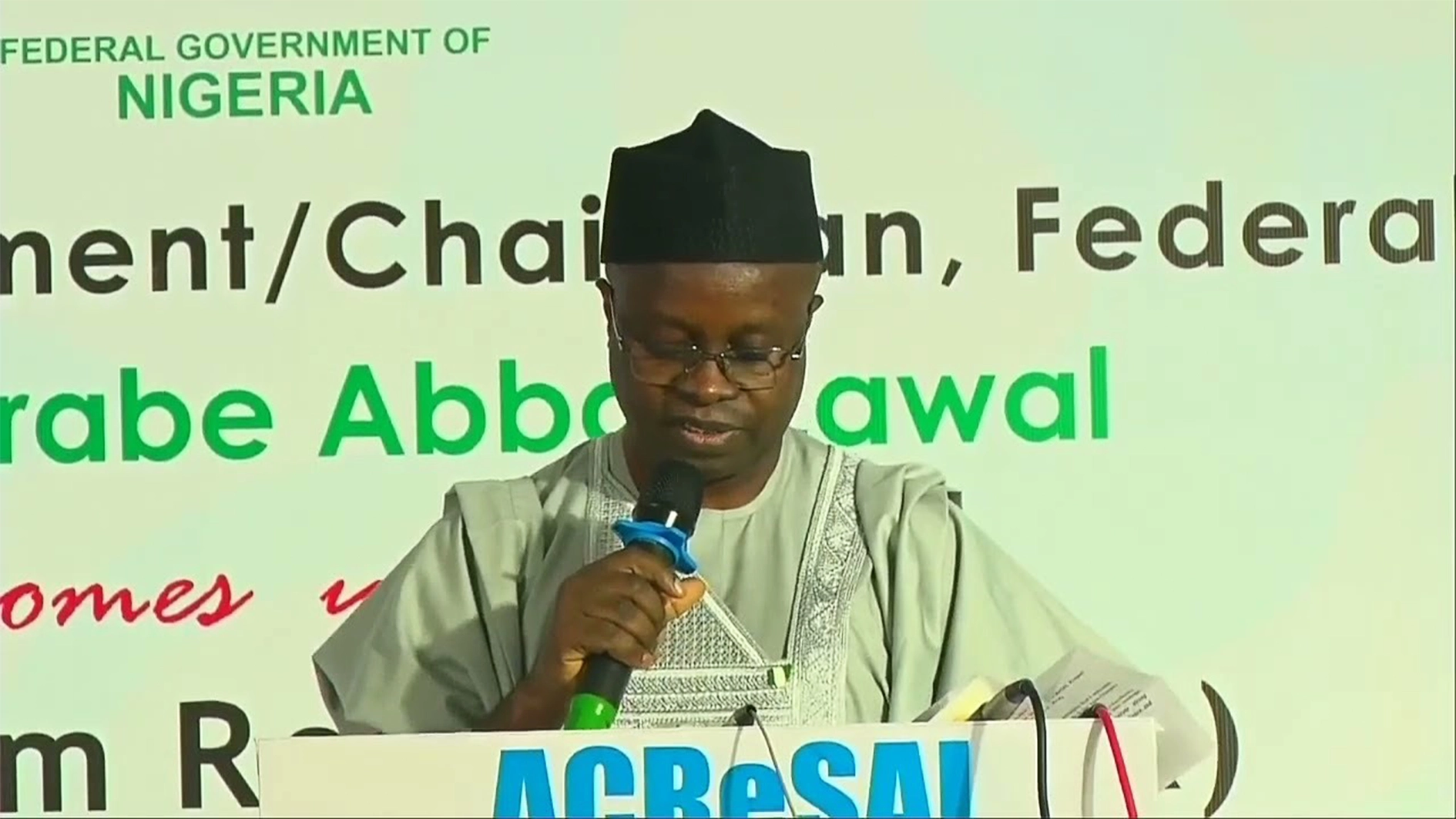
The Federal Government on Tuesday reaffirmed its commitment to eliminating lead exposure and phasing out lead-based paints in Nigeria by 2030.
The government said environmental regulation, public health surveillance, laboratory testing, healthcare services, community awareness and enforcement must work together to prevent lead poisoning.
The Permanent Secretary of the Federal Ministry of Environment, Dr Salihu Usman, disclosed this in Abuja during the commemoration of the 2026 International Lead Poisoning Prevention Week.
The event, organised by the ministry in collaboration with stakeholders, had the theme, “From Detection to Protection”.
The government warned that failure to enforce safety standards could expose more Nigerians, particularly children, to preventable health risks.
Usman, who was represented by the Director of Pollution Control and Environmental Health, Mrs Adeola Omotunde, said Nigeria must move beyond issuing policies and standards to implementing practical measures that protect public health.

The permanent secretary described lead poisoning as a serious but largely preventable environmental and public health problem, stressing that there was no known safe level of lead exposure.
He said exposure to lead could damage the neurological, cardiovascular, renal, gastrointestinal and haematological systems.
He described lead poisoning as a serious but largely preventable environmental and public health problem, stressing that there was no known safe level of lead exposure.
He said: “The Federal Government is committed to intensifying efforts to eliminate lead exposure and phase out lead-based paints in Nigeria by 2030. These are important steps, but standards can only protect the public when they are understood, implemented, monitored and enforced consistently.
Usman called for greater awareness among paint manufacturers, importers, retailers, painters, construction professionals and consumers, urging them to support the production and use of safer alternatives.
He said the government would continue to work with relevant institutions and partners to strengthen environmental standards, promote compliance and improve the management of hazardous chemicals and contaminated sites.
He added, “The theme, ‘From Detection to Protection’, challenges us to judge our progress not merely by the number of meetings held, standards issued, or samples tested, but by whether exposure is being prevented, unsafe products are being removed from use, contaminated sites are being managed responsibly, and people are better protected.”
The permanent secretary warned that progress should not be measured by the number of meetings held, standards issued or samples tested, but by the extent to which exposure was prevented and unsafe products removed from circulation.
He added that lead poisoning had consequences beyond hospitals and laboratories, noting that exposure could undermine children’s learning abilities, weaken family well-being, reduce productivity and place additional pressure on health services.
Usman maintained that no single institution could tackle the problem alone, calling for coordinated action across environmental regulation, public health, product standards, occupational safety, industry practices and community engagement.
In her remarks, the representative of the Alliance for Responsible Battery Recycling, Christiana Oloride, commended the ministry and other stakeholders for their efforts to raise awareness and strengthen measures to prevent lead exposure.
She said lead exposure could have severe and lasting consequences, particularly for children, whose developing brains and nervous systems were highly vulnerable.
Oloride added that exposure could affect learning, behaviour and development, while adults could suffer cardiovascular, kidney, reproductive and other health problems.
She called for stronger collaboration, public education and school sensitisation to protect children, workers and vulnerable communities.
Also speaking, the Executive Director of SRADeV Nigeria, Dr Leslie Adogam, called for stronger national capacity in laboratory testing, environmental monitoring, human biomonitoring, exposure assessment and risk communication.
He said evidence gathered through testing and monitoring must translate into practical interventions, effective regulation, environmental remediation and protection for affected communities and workers.
Adogam also urged the government to accelerate the elimination of lead-based paints through stricter enforcement of national standards, market surveillance, manufacturer reformulation and improved access to safer alternatives.
A Programme Assistant at Nigeria Health Watch, Precious Ajayi, stressed the need to involve communities from the beginning of lead-prevention initiatives.
She said: “People cannot protect themselves from something they don’t know about. And communities need information that is accurate, easy to understand, and delivered by people they trust the most.”
Ajayi said Nigeria Health Watch would contribute to the campaign through its Lead to Save Life initiative, particularly by strengthening advocacy and communication.
Meanwhile, the Executive Director of Paint Manufacturer, Jude Madoka, pledged continued cooperation with the environment ministry and the Federal Ministry of Health and Social Welfare to advance lead-prevention efforts.
He said manufacturers remained committed to supporting the next phase of reformulation and other measures aimed at reducing lead exposure.
The award recipients included the Minister of Environment, Balarabe Lawal; Omotunde Adeola, Director of Pollution Control and Environmental Health; the Director-General of the Standards Organisation of Nigeria; the Executive Director of the Paint Manufacturers Association; Paints and Coating Manufacturing Nigeria; Chemicals and Allied Products (CAP) Plc; Prestige Paint Nigeria Ltd; and Parco Enterprise Nigeria Ltd.

