 Follow Us on Google News



 Follow Us on Google Discover
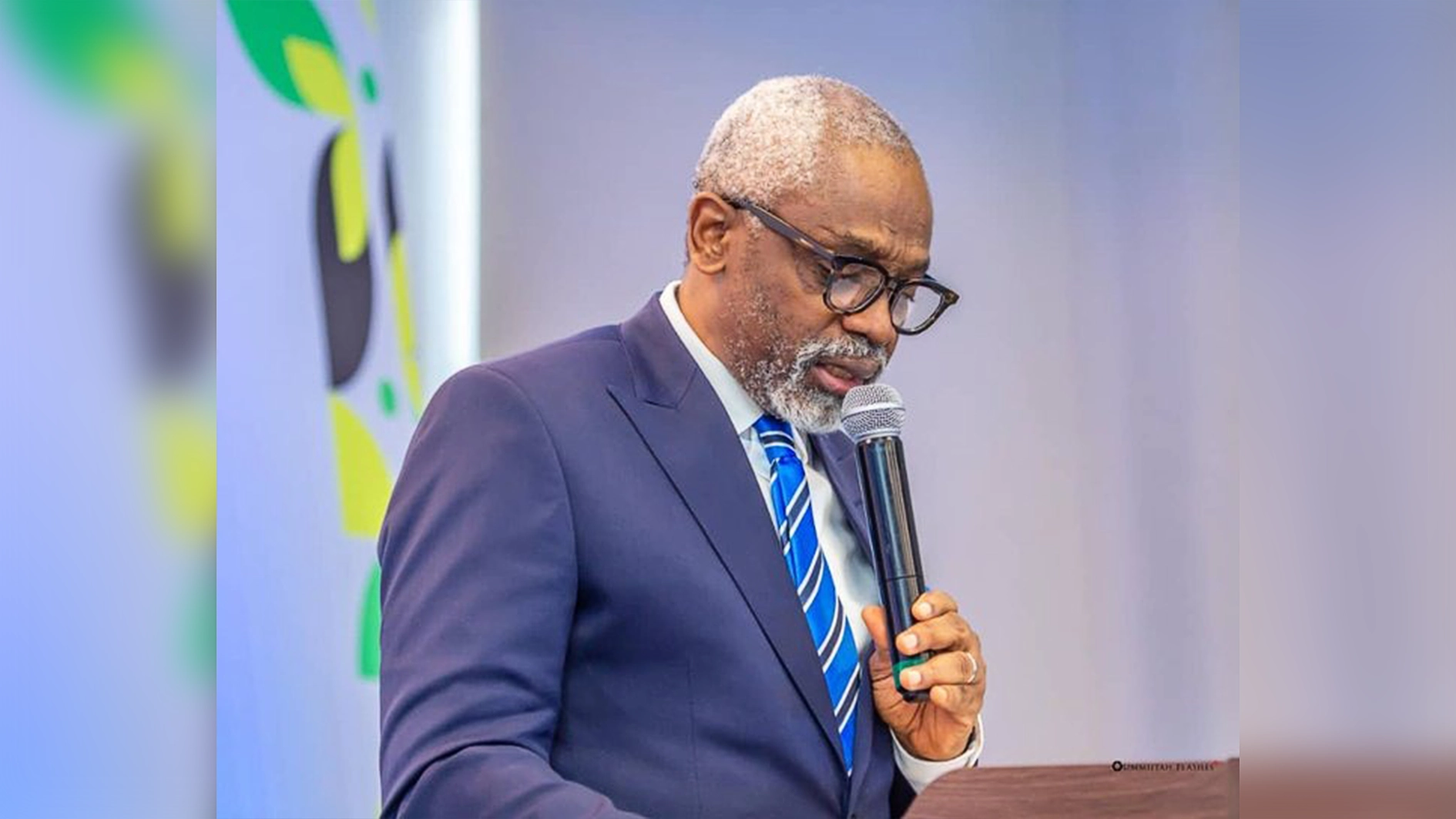
The Presidency has challenged Nigeria’s organised private sector to develop a financing and implementation blueprint for the proposed state police system, saying sustainable security is critical to protecting investments, creating jobs and driving economic growth.
The Presidency also stressed that states seeking to establish their own police services must demonstrate the financial capacity to sustain personnel salaries, training and operational costs beyond the initial procurement of vehicles, uniforms and equipment.
According to the Presidency, inadequate funding could expose police institutions to private interests and unlawful demands. It assured Nigerians that federal policing would continue in states not yet financially or institutionally ready to establish their own services.
Chief of Staff to the President and Chairman of the Presidential Working Group on the National Policing Bill, Femi Gbajabiamila, urged the Nigerian Economic Summit Group (NESG), chambers of commerce and business associations to propose practical funding arrangements, institutional management structures and accountable partnerships for the reform.
Speaking at a plenary session on Security, Stability and Economic Resilience at the 32nd Nigerian Economic Summit in Abuja on Monday, he said insecurity was imposing heavy costs on businesses through disrupted supply chains, delayed investments and lost commercial opportunities.
He urged business leaders to engage state governments and legislators as the proposed reform progresses, arguing that the private sector’s experience in financial management, risk assessment and institutional governance could help shape an effective policing system.

“I therefore ask the Nigerian Economic Summit Group to carry this engagement beyond our meeting. Bring forward a considered private sector contribution on financing and implementing state police, with practical proposals for accountable partnerships,” he said.
Gbajabiamila, however, warned that private sector participation must not compromise police independence, insisting that contributions should be transparently accounted for and subject to independent scrutiny.
“Public funding must remain dependable, and a donation must never purchase influence over an investigation or preferential treatment,” he said.
Providing an update on the reform, Gbajabiamila said 24 State Houses of Assembly had approved the constitutional amendment providing for state police as of October 23, meeting the required two-thirds threshold.
He disclosed that the Presidential Working Group submitted the draft National Policing Bill and 29 consequential amendment bills to the Federal Ministry of Justice on October 19 for review.
The proposals, he said, would be presented to President Bola Tinubu for approval after the review and the Working Group’s final consideration, ahead of transmission to the National Assembly.
The proposed framework would allow willing and capable states to take greater responsibility for local security while retaining a strong federal police institution to tackle interstate crime and specialised national security threats.
Gbajabiamila said decentralised policing could improve local intelligence and response times, addressing what he described as the imbalance under which states were expected to respond to insecurity without corresponding authority to organise policing.
He acknowledged concerns that state police could be used against political opponents or vulnerable communities, assuring that the proposed legislation would provide enforceable safeguards, national professional standards and independent oversight.
“The concern that police powers could be used against political opponents or vulnerable communities is serious. Our answer is to place enforceable limits on those powers and provide remedies when they are abused,” he said.
Making a case for business involvement, he said the costs of insecurity extended beyond private security bills to include abandoned projects, postponed factory expansions and communities excluded from investment plans.
He argued that businesses could not guarantee the safety of their workers and suppliers by securing their premises alone, adding that long-term commercial security depended on effective public institutions in surrounding communities.
The Chief of Staff also highlighted the administration’s wider security interventions, including the induction of helicopters into Army Aviation, the return of more than 100 refurbished armoured fighting vehicles to active service and the commissioning of three additional naval vessels in June.
He said sustained operations against crude oil theft had contributed to improved oil production, foreign exchange earnings and government revenue.
On food security, Gbajabiamila said the deployment of 10,000 Agro-Rangers across 19 states and the Federal Capital Territory was helping protect agricultural activities.
He added that more than 7,000 personnel drawn from seven frontline states had completed training under the Presidential Forest Guards Initiative by December 2025.
He also disclosed that Tinubu directed the preparation of a National Threat Assessment and a rolling five-year Strategic Defence Operations Plan in August to improve security coordination, align spending with operational priorities and strengthen accountability.
Acknowledging that kidnapping and violent attacks remained concerns despite government investments, he said the administration understood that its performance must ultimately be judged by the safety of citizens.
He linked the security agenda to the government’s economic reforms, including fuel subsidy removal, foreign exchange restructuring and tax reforms, acknowledging that the changes had placed considerable pressure on households and businesses.
“A government with inadequate revenues cannot sustain the institutions required to protect its citizens. An economy in which people cannot work safely cannot generate the revenues government needs,” he said.
Gbajabiamila urged investors to reconsider communities where insecurity had disrupted commercial activities, arguing that renewed investment would create jobs, restore supply chains and expand public revenue.
He said effective security required sustained cooperation between government and the private sector, adding that farmers and businesses needed tangible reasons to resume or expand operations in affected communities.

