 Follow Us on Google News



 Follow Us on Google Discover
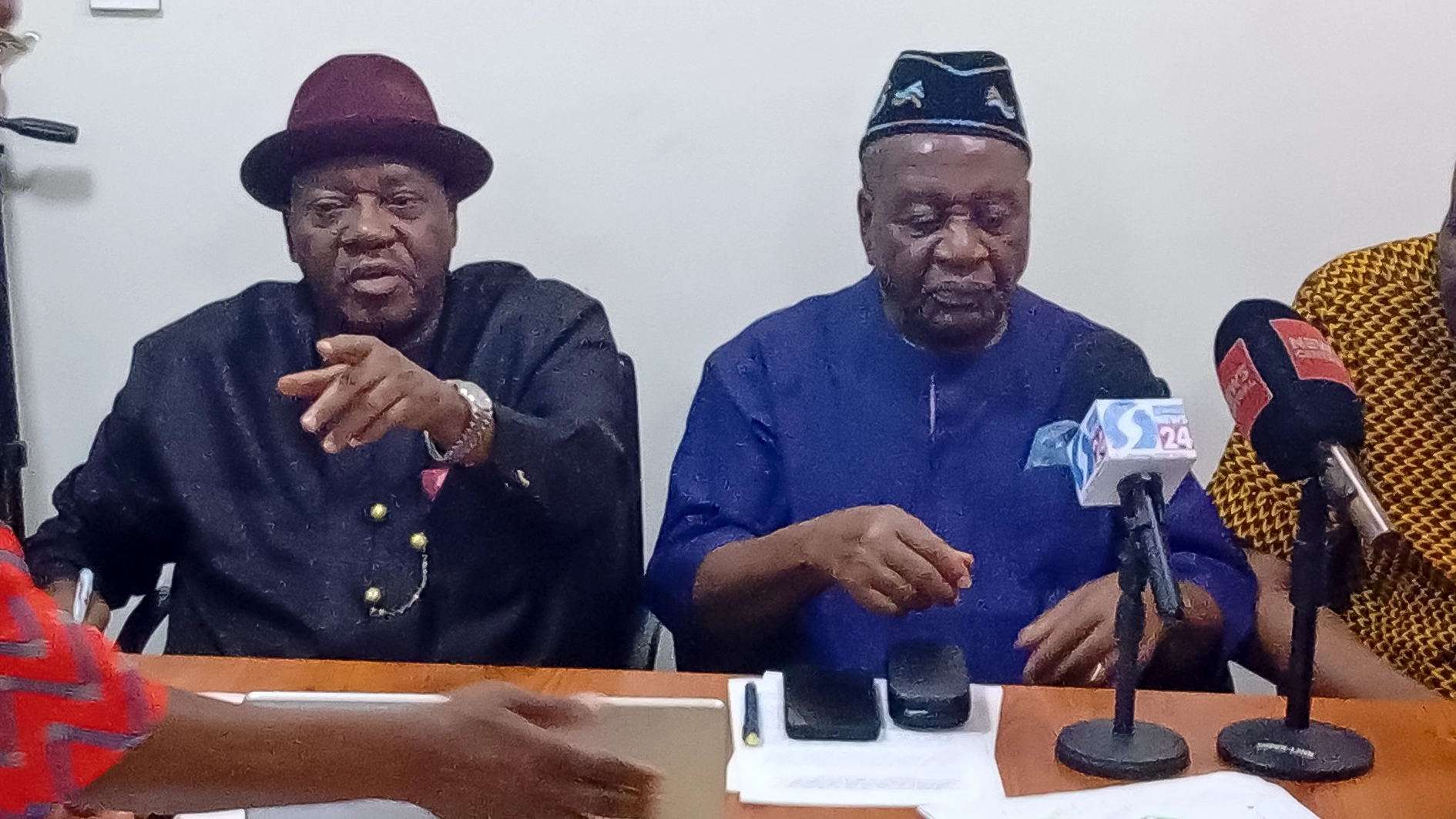
The Pan Niger Delta Forum (PANDEF) has challenged presidential candidates in the 2027 general election to publish practical, measurable and time-bound plans for cleaning up oil-polluted communities in the Niger Delta.
The forum also demanded an increase in the derivation allocation to oil-producing states from the current minimum of 13 per cent to at least 50 per cent, declaring the completion of the Lagos-Calabar Coastal Highway non-negotiable.
PANDEF further called for the rehabilitation of the East-West Road and other deteriorated roads across the region, warning that infrastructure deficits and environmental degradation continue to undermine economic development.
These demands were contained in a communiqué issued after a meeting of PANDEF’s Board of Trustees and National Executive Committee in Abuja and virtually on Tuesday.
The communiqué was read by PANDEF National Chairman, Ambassador Godknows Igali. The meeting was chaired by the forum’s Board of Trustees chairman and former Akwa Ibom State governor, Obong Victor Attah, with regional leaders, traditional rulers and other stakeholders from the six South-South states in attendance.
On derivation, PANDEF said the 13 per cent allocation provided under Section 162(2) of the 1999 Constitution had remained unchanged for more than two decades, despite the environmental and developmental burdens borne by oil-producing communities.
It urged the Federal Government, the Revenue Mobilisation Allocation and Fiscal Commission and the National Assembly to work towards raising the allocation to at least 50 per cent.
The forum also demanded the abolition of the onshore/offshore dichotomy, insisting that the necessary legislative and constitutional changes should be pursued to address what it described as longstanding concerns over resource allocation.
On environmental remediation, PANDEF said more than 60 years of oil and gas exploration had left extensive pollution across the Niger Delta.
It identified Nembe Creek in Bayelsa State, Odidi in Delta State and Kula in Rivers State as areas requiring urgent intervention.
The forum called for adequate, sustained and transparent funding for the Ogoni clean-up, alongside a clear framework for extending environmental remediation to other polluted communities.
It said the 2027 presidential candidates should explain how they intend to address the environmental crisis, with specific targets, timelines and measurable outcomes rather than broad campaign promises.
PANDEF also welcomed the retention of the original broad alignment of the 750-kilometre Lagos-Calabar Coastal Highway as a distinct strategic project.
According to the forum, the highway has the potential to improve connectivity, stimulate trade and investment, strengthen national integration and support the development of the blue and marine economy.
It said it would establish a high-level technical committee to assist the Federal Ministry of Works with professional input, drawing on the experiences of the former Oil Mineral Producing Areas Development Commission (OMPADEC), the Niger Delta Development Commission (NDDC) and regional professionals.
The forum also called for a north-south railway link connecting the South-South to other parts of the country, arguing that improved rail connectivity would strengthen trade and ease the movement of people and goods.
On maritime infrastructure, PANDEF welcomed efforts to modernise the ports in Warri, Port Harcourt and Calabar, as well as proposals for deep-sea ports in Ibom, Bonny and Agge.
It urged the government to develop sustainable financing arrangements for the projects and position the region to benefit from trade with East, Central and Southern Africa, as well as opportunities under the African Continental Free Trade Area.
The forum further urged governments to prioritise gas infrastructure, power generation and gas-based industries, including mini-liquefied natural gas facilities, liquefied petroleum gas and compressed natural gas hubs, and petrochemical plants.
It said the region’s gas resources could support industrialisation, improve electricity supply and create employment if backed by consistent investment and sound policies.

PANDEF also advocated stronger support for modular refineries through improved access to financing, streamlined licensing, technical assistance and compliance with environmental standards.
It said modular refineries could complement large-scale refining facilities, support local businesses, create jobs and reduce dependence on imported petroleum products.
On agriculture, the forum called for coordinated programmes involving the Federal Government and the six South-South state governments to develop crops such as palm oil, rice, cassava and vegetables.
It identified improved seedlings, mechanisation, rural roads, storage facilities, agro-processing, accessible financing and reliable markets as essential to raising agricultural productivity and supporting rural livelihoods.
PANDEF also disclosed plans to explore a market-based South-South investment fund that could mobilise resources from individuals, businesses and institutions for key economic sectors, connectivity projects and job-creating enterprises.
It said consultations with the private sector and development partners would be necessary to determine how such a fund could operate sustainably.
On the 2027 elections, the forum expressed concern about the country’s peace, security, national cohesion and governance, urging voters in the South-South to participate peacefully and make choices based on candidates’ programmes, competence and capacity to address the region’s needs.
PANDEF also credited its leadership with contributing to peace efforts in Rivers State, helping resolve the oil-well dispute between Akwa Ibom and Cross River states, and promoting improved relations among ethnic communities in Warri.
Reflecting on its first decade, the forum highlighted its advocacy for the establishment of the South-South Development Commission, increased regional participation in the oil and gas industry, maritime education, port development and improved infrastructure.
PANDEF was established ten years ago to unite socio-political groups, ethnic organisations and community interests across the Niger Delta under a common platform for regional development.
The forum reaffirmed its commitment to engaging the Federal Government, state governments, traditional institutions and the private sector to advance the region’s interests.
It also urged Niger Delta indigenes holding public offices, particularly at the federal level, to support regional unity and work towards addressing the area’s shared developmental challenges.
PANDEF maintained that the Niger Delta’s progress was inseparable from Nigeria’s overall development, insisting that environmental restoration, fair resource allocation, infrastructure and economic opportunities must remain central to the country’s national agenda.

