 Follow Us on Google News



 Follow Us on Google Discover
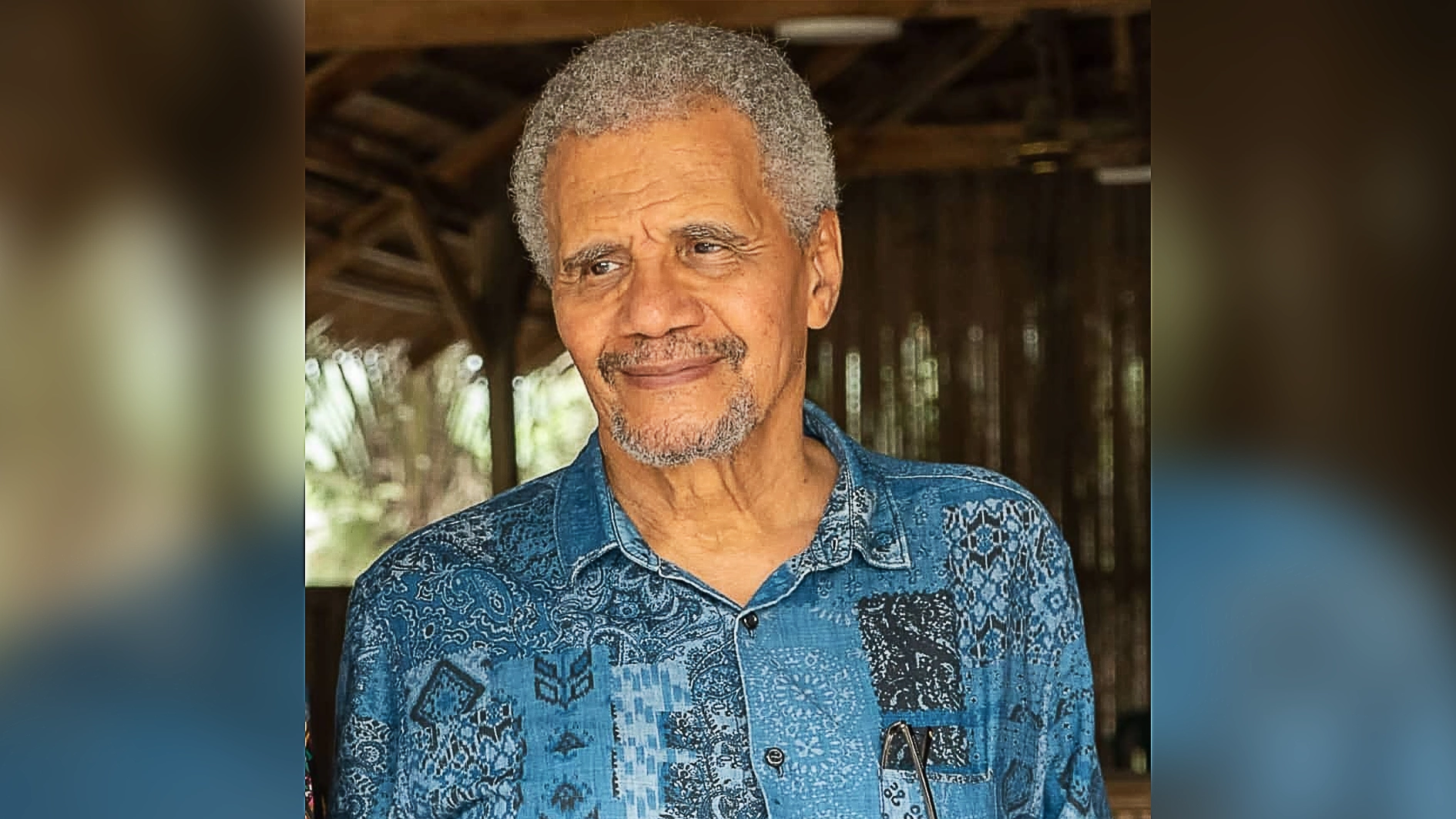
A frontline environmentalist and Founder of LUFASI Nature Park, Lekki, Lagos, Desmond Olumuyiwa Majekodunmi, has called for urgent collective action to protect the environment, warning that prioritising profit over human lives and ecological preservation could worsen the climate crisis.
Majekodunmi made the call in an interview in Lagos. The call comes amid growing environmental challenges globally, including climate change, flooding, air and water pollution, deforestation, biodiversity loss, desertification and coastal erosion, which threaten human health, food security and livelihoods.
In Nigeria, these challenges are evident in recurring floods, land degradation, poor waste management, oil pollution in the Niger Delta and the destruction of forests and natural habitats.
While parts of northern Nigeria face drought, excessive heat and desertification, communities in the south contend with flooding, coastal erosion and pollution.
In urban centres such as Lagos, inadequate drainage, indiscriminate waste disposal and the loss of wetlands and green spaces can worsen flooding and other environmental risks.
Globally, rising temperatures are contributing to changing rainfall patterns and increasing the risks associated with extreme heat, drought, wildfires and heavy rainfall.
The rising sea levels also threaten coastal communities, while deforestation and habitat destruction accelerate biodiversity loss.
Air pollution from vehicles, industries and the burning of fossil fuels and waste poses risks to human health. Plastic pollution and inadequate waste management also contaminate rivers, oceans and land, harm wildlife and contribute to blocked drainage systems.
He described the situation as an emergency rather than merely a crisis, Majekodunmi said scientific warnings about human activities damaging the Earth’s life-support systems should prompt immediate and decisive action.
According to him, environmental degradation threatens not only present-day communities but also the lives and livelihoods of children and future generations.
He said scientists, including climatologists, meteorologists and space research experts, had consistently warned about the consequences of environmental destruction, cautioning that some damage could become increasingly difficult or impossible to reverse if critical tipping points were crossed.

Majekodunmi pointed to extreme weather events, including wildfires and flooding, as evidence of the growing environmental risks confronting communities worldwide.
He also expressed concern about changing weather patterns in Lagos and flooding in parts of Nigeria, no harmattan in Lagos calling for greater attention to environmental protection and climate preparedness.
He referenced the warnings by United Nations Secretary-General António Guterres on the urgency of the climate crisis, the environmentalist said addressing the problem required more than conferences and public declarations.
He stressed that meaningful progress would depend on a fundamental change in attitudes towards nature, particularly by individuals, governments and businesses that place economic interests above environmental sustainability.
“We should not put greed, profit and gains over human lives,” he said, calling for a transformation in how society approaches environmental responsibility.
‘Nature Gives Back What We Give Her’
Majekodunmi urged individuals, communities and businesses to stop practices that damage ecosystems, including pollution, indiscriminate tree felling and forest destruction.
The environmentalist called for the protection of green spaces, forests, wetlands and aquatic ecosystems, alongside the promotion of agroforestry and sustainable farming practices that support food production without destroying the natural environment.
He noted that Nigeria was richly endowed with natural resources and urged citizens to protect the country’s green landscapes and water bodies for the benefit of present and future generations.
According to him, sustainable development must recognise the connection between healthy ecosystems, human welfare, food security and economic livelihoods.
“Whatever you sow, you will reap,” he said, explaining that the principle also applied to how people treat the environment.
He warned that pollution and the destruction of natural habitats could have far-reaching consequences for communities, including reduced agricultural productivity, damaged water sources, loss of biodiversity and declining livelihoods.
The LUFASI founder also expressed concern that some individuals and businesses could benefit financially from activities contributing to environmental degradation, while affected communities bear the consequences.
He called for stronger accountability at local and international levels to ensure that economic interests do not undermine environmental protection.
Solutions to environmental challenges
According to him,to address the growing threats, environmental protection advocates have emphasised the need for stronger enforcement of environmental laws, improved waste management, conservation of forests and wetlands, sustainable agriculture and investment in climate-resilient infrastructure.
Majekodunmi urged governments and other stakeholders to move beyond public commitments and implement practical measures to address the causes of environmental degradation.
He also encouraged individuals to reduce pollution, dispose of waste responsibly, protect trees and support initiatives that promote environmental conservation.
In flood-prone communities, regular drainage maintenance, protection of natural waterways, responsible urban planning and effective early-warning systems could help reduce risks.
Improved waste collection, recycling and responsible disposal are also necessary to prevent plastic pollution, blocked drainage channels and the contamination of water bodies.
In areas affected by desertification and land degradation, sustainable farming, appropriate tree planting, water conservation and restoration of degraded land can help protect livelihoods and strengthen resilience.
Similarly, preventing oil spills, holding polluters accountable and restoring contaminated environments are essential to protecting communities and ecosystems in the Niger Delta.
Earlier, a screening of the environmental satire Don’t Look Up at Eco Hall, LUFASI Nature Park, where 22 participants gathered to discuss climate change, environmental responsibility and the consequences of delaying action.
The film highlights consequences of delayed action
The screening of Don’t Look Up provided a platform for participants to reflect on how political and commercial interests can obstruct action in the face of a looming global threat.
The film uses satire to portray how political leaders, business interests and sections of the public may ignore or downplay warnings about an impending catastrophe.
Majekodunmi urged participants to consider its lessons, particularly the dangers of greed, denial and the pursuit of personal gain at the expense of collective wellbeing.
He said responsible leadership should prioritise the welfare of people, the protection of livelihoods and the preservation of the planet over personal interests.
The environmentalist expressed delight at the participation of young people and other environmental enthusiasts, encouraging them to translate their concerns into practical action within their homes, schools, workplaces and communities.
He stressed that environmental protection must go beyond awareness campaigns to sustained efforts that reduce pollution, preserve biodiversity and restore damaged ecosystems.
Majekodunmi called on Nigerians to recognise that the environment is not an inexhaustible resource and that its destruction could have serious consequences for public health, food security and future generations.
He maintained that protecting the planet requires collective responsibility, stronger accountability and a fundamental shift towards sustainable living and development.

