 Follow Us on Google News



 Follow Us on Google Discover
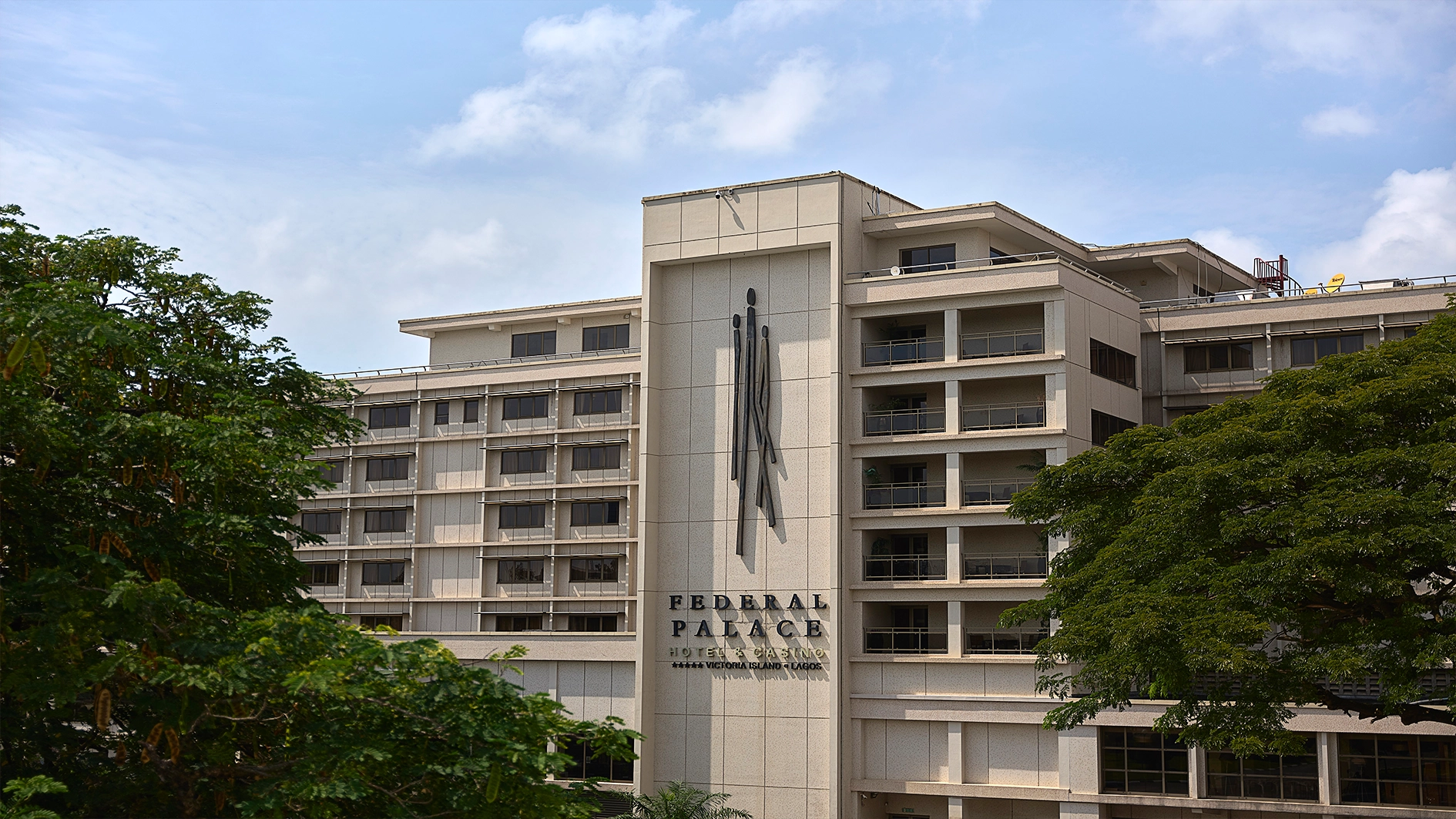
As Nigeria prepares to commemorate the golden jubilee of FESTAC ’77, the fourth edition of the Guardian Woman Festival, themed “Women as Wealth Creators,” will celebrate women whose creativity, enterprise and cultural influence have shaped Africa’s identity and economy over the past five decades. The celebration at the historic Federal Palace Resort, Lagos, will also provide a platform for partnerships, investment and policy conversations to advance women in the creative industry.
Fifty years ago, Lagos became the heartbeat of African culture and creativity when Nigeria hosted the Second World Black and African Festival of Arts and Culture, popularly known as FESTAC ’77. The historic gathering brought together thousands of artists, musicians, writers, dancers and cultural enthusiasts from Africa and the diaspora in a celebration of Black identity, heritage and artistic expression.
Held between January 15 and February 12, 1977, FESTAC ’77 was more than a cultural festival. It represented Africa’s confidence in its identity, creativity and capacity to influence global culture. With participants drawn from 59 countries and communities, the festival established Nigeria as a major destination for cultural exchange and artistic expression.
At the heart of this legacy were women whose contributions to music, literature, visual arts, fashion, performance and cultural preservation helped shape the festival and the creative movements that followed.
As Nigeria prepares to commemorate 50 years of FESTAC ’77 in 2027, the milestone presents an opportunity to recognise the women who have preserved, transformed and commercialised African creativity over five decades.
It is against this background that the Guardian Woman Festival 2027, now in its fourth year, will dedicate a special celebration to women in the creative industry during International Women’s Month in March.

Under the theme “Women as Wealth Creators,” the festival will recognise women’s contributions to cultural preservation, entrepreneurship, employment generation and economic development, while advancing conversations on policies and investments needed to sustain their achievements.
Fifty years of women shaping African creativity
Women played important roles in FESTAC ’77 as performers, artists, writers, intellectuals and cultural advocates. Notable figures associated with the festival included South African singer Miriam Makeba, American writers Alice Walker and Audre Lorde, and visual artists Faith Ringgold and Betye Saar. Photographer Marilyn Nance also documented the historic gathering, preserving an important visual record of African and Black cultural expression.
Their contributions reflected women’s influence in shaping cultural narratives, preserving identity and challenging stereotypes. Beyond FESTAC ’77, generations of Nigerian women have continued to redefine Africa’s creative landscape, transforming traditional artistic skills into businesses and globally recognised brands.
Pioneers such as Ladi Kwali elevated Nigerian pottery to international recognition, while artists including Afi Ekong, Clara Etso Ugbodaga-Ngu and Princess Elizabeth Olowu expanded women’s presence in visual arts and sculpture. Chief Nike Davies-Okundaye has demonstrated how indigenous textile traditions, particularly Adire, can become powerful tools for cultural preservation, entrepreneurship and women’s economic empowerment.
In literature, writers such as Flora Nwapa, Buchi Emecheta and Chimamanda Ngozi Adichie have projected African women’s experiences onto the global stage, while contributing to the growth of publishing and intellectual property.
The film industry has witnessed remarkable contributions from women, including the pioneering Amaka Igwe and contemporary filmmakers and producers such as Mo Abudu, Funke Akindele, Bolanle Austen-Peters, Kemi Adetiba and Jade Osiberu, who have helped expand Nigerian storytelling into international markets.
In music, generations of women, from Onyeka Onwenu and Christy Essien-Igbokwe to Tiwa Savage, Yemi Alade and Tems, have strengthened Nigeria’s cultural influence

