 Follow Us on Google News



 Follow Us on Google Discover
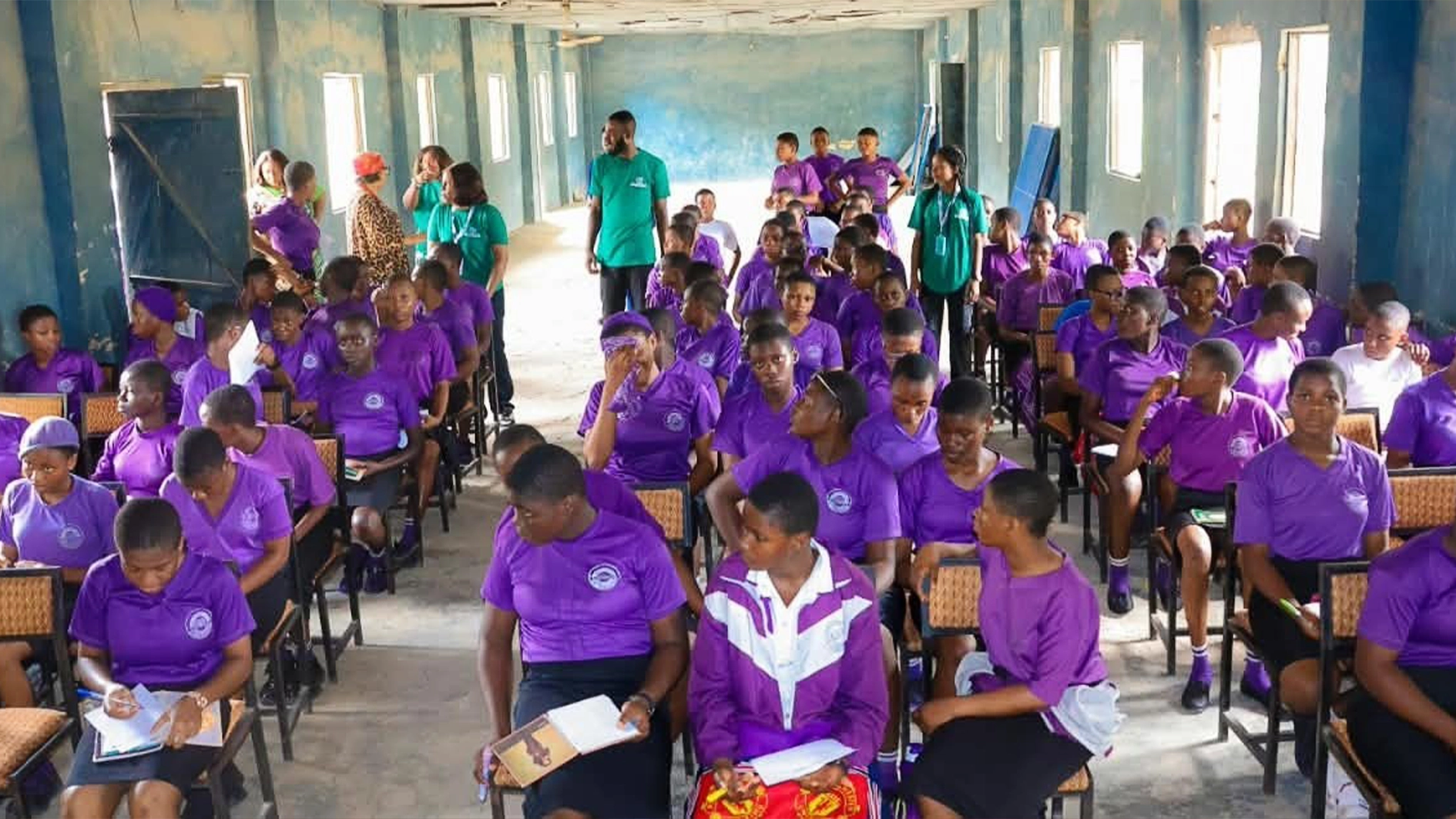
SEVERAL states across Northern Nigeria have moved to adopt the development Research and Projects Center’s (dRPC) girls-led, community-based Early Childhood Care and Development (ECCD) model, citing its efficacy in tackling out-of-school figures and expanding foundational learning.
State officials made the commitments during a regional stakeholder workshop highlighting the success of community-managed, play-based nursery centres using Kano state as a case study.
The initiative spearhead by the dRPC in partnership with the National Institute for Policy and Strategic Studies (NIPSS), seeks to address the challenge of our of school children in underserved communities.
Technical Advisor to the Kano State Governor on Education Reform, Mallam Haladu Mohammed, noted that the model directly addresses infrastructure deficits and out-of-school challenges.
He said that the “The dRPC community-based ECCD schools is an intervention that was made for us in Kano state.
“When we sat to prioritize areas of reform, we had to find ways to deal with the out-of-school children issues. Communities need to come in.”

Corroborating this, Kano State Ministry of Education’s Director of Planning, Research and Statistics, Yushau Hamza, disclosed that out of roughly 870,000 out-of-school children identified across the state, 16 per cent are of preschool age.
He noted that the dRPC model offers a sustainable, low-cost solution to bridge the early education gap.
“If we are looking for sustainability in schooling, school establishment and management, this is the way to go. If we are looking at cost and accessibility for our communities, again, these were among the top five problems we identified,” Hamza explained.
The model’s appeal has equally spurred demand for replication across other conflict-affected and educationally disadvantaged states.
For example, the Commissioner for Basic and Secondary Education in Niger State, Dr Hadiza Mohammed, lauded the initiative and urged the dRPC to extend its footprint to her state.
Similarly, Borno State’s Ministry of Education, Science, Technology and Innovation Permanent Secretary, Hajiya Yakaru Mustapha, emphasised the critical need for the technical framework in handling basic education, noting the efficacy of the learning initiative.
Permanent Secretaries and officials from Kebbi, Benue, and other northern states similarly requested immediate rollouts, with Kebbi State SUBEB Director, Professor Suleiman Khalid, indicating plans to integrate the framework with existing local educators trained in play-based teachings.

