
 Get Guardian on Google
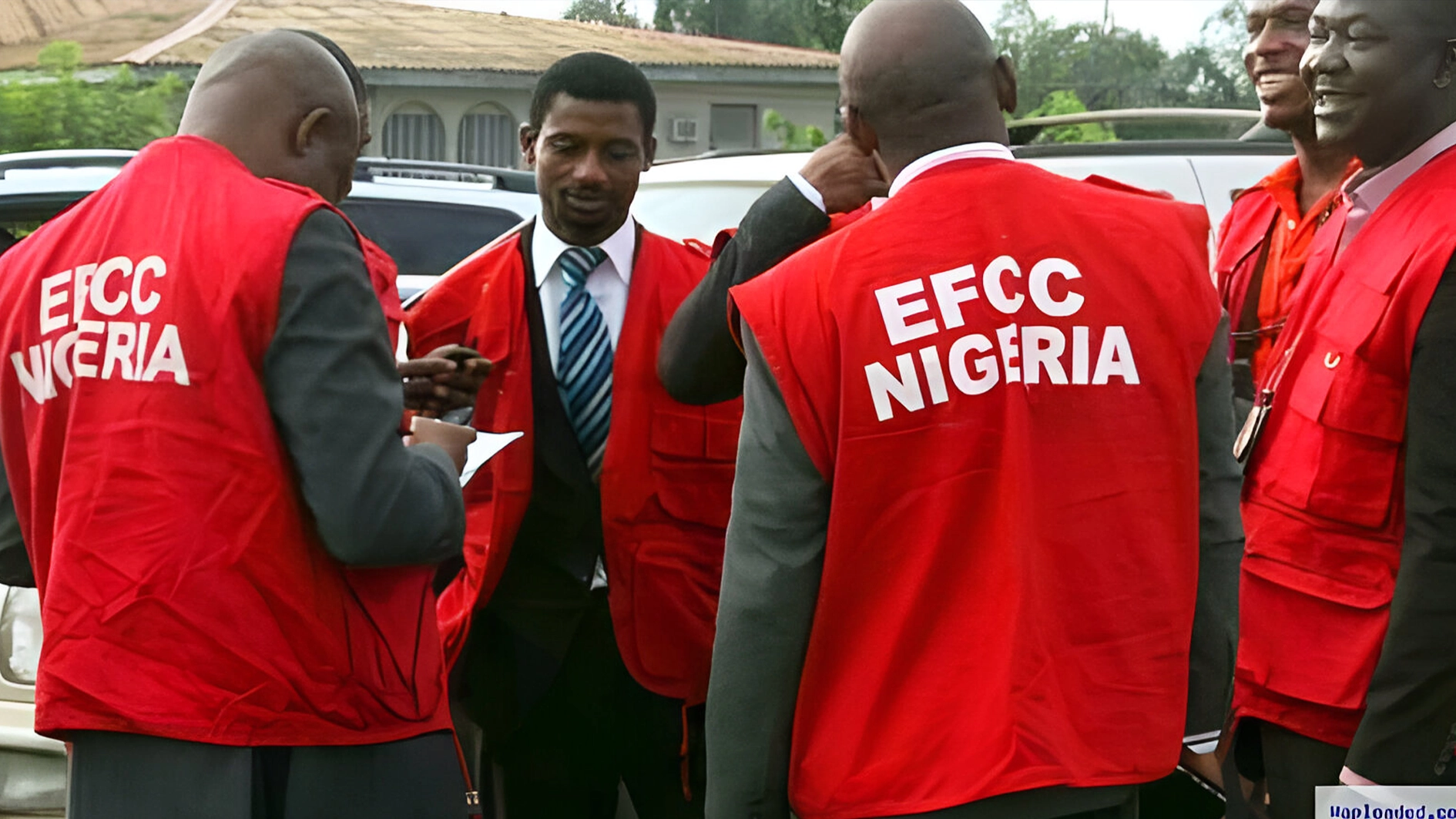
The Economic and Financial Crimes Commission (EFCC), the National Automotive Design and Development Council (NADDC) and other government agencies are strengthening collaboration to tackle money laundering, fraudulent transactions and other regulatory violations in Nigeria’s automobile sector.
The initiative is part of efforts to improve transparency, strengthen regulatory oversight and close enforcement gaps in the automotive industry through a proposed new legal framework that will also address vehicle smuggling, standards enforcement and local manufacturing.
The Director-General of NADDC, Oluwemimo Joseph Osanipin, disclosed this at a public sector stakeholder consultative meeting on the Draft National Automotive Industry Bill 2026, where government agencies examined provisions of the proposed legislation and their implications for institutional responsibilities.
Osanipin said the proposed legislation was designed to address longstanding policy uncertainties, enforcement bottlenecks and legislative gaps that had constrained investment and the development of an integrated automotive industry.
According to him, the bill seeks to repeal the NADDC Act 2014 and establish the National Automotive Development Commission with stronger regulatory, oversight and enforcement responsibilities.
He explained that the proposed framework would strengthen inter-agency collaboration in quality enforcement, anti-smuggling operations, environmental compliance and vehicle safety standards.

The NADDC chief executive said the reform was also intended to provide statutory backing for investment incentives under the Nigerian Automotive Industry Development Plan (NAIDP), thereby giving investors greater confidence in the stability of government policies.
He identified local content development, component manufacturing, green mobility, vehicle electrification and the development of a vehicle circular economy as critical priorities for repositioning the industry.
Osanipin noted that the council had already engaged private sector operators, including automobile assemblers, component manufacturers and industry associations, to obtain their recommendations on the proposed legislation.
He said the council incorporated their contributions into the working draft, adding that public-sector consultation was necessary to ensure the final legislation reflected the operational realities and statutory responsibilities of relevant government institutions.
Speaking at the meeting, the EFCC Director of Regulatory Compliance, Francis Useni, expressed support for efforts to strengthen oversight and tackle fraudulent practices in the automobile industry.
He said the commission was interested in measures that would improve supervision and address organised fraudulent activities within the sector, indicating its readiness to work with relevant institutions to develop appropriate solutions.
The Chairman of the House of Representatives Committee on Industry, Hon. Enitan Dolapo Badru, also called for stronger enforcement provisions in the proposed legislation, warning that institutional overlaps could create loopholes that undermine regulatory effectiveness.
Badru said the proposed transformation of NADDC into a commission should go beyond a name change to give the institution stronger powers for policy development, investment analysis, standards enforcement, and regulatory compliance.
He specifically identified the need to clarify the relationship between the proposed commission, the Nigeria Customs Service, the Nigerian Investment Promotion Commission, and the supervising ministry to avoid duplication of responsibilities and conflicts in enforcement.
The lawmaker also cautioned against imposing local content requirements without considering the cost, quality, and availability of locally sourced materials, arguing that such policies must be commercially realistic to encourage domestic production.
He further stressed the importance of ensuring that the proposed incentives and regulatory provisions were implementable and consistent with Nigeria’s obligations under the World Trade Organisation and the African Continental Free Trade Area.
The Nigeria Customs Service, represented by Assistant Comptroller Atile Joseph of its Tariff and Trade Department, reaffirmed its commitment to working with NADDC to promote local automobile assembly and manufacturing, and compliance with applicable fiscal and trade regulations.
The service said its collaboration with the council would support strategic facilitation, regulatory compliance and policies aimed at strengthening domestic production, technology transfer, employment generation and export development.
Similarly, the Federal Road Safety Corps, represented by Corps Commander Kunle Oguntoyinbo, called for road safety considerations to be included in the proposed legislation.
He said automotive industry development must extend beyond vehicle production and commercial interests to embrace vehicle safety, roadworthiness, environmental sustainability and the protection of human lives.
The proposed National Automotive Industry Bill 2026 is expected to establish a more comprehensive institutional and regulatory framework for Nigeria’s automotive industry, with emphasis on investment protection, local value addition, technology transfer, manufacturing and improved coordination among government agencies.