
 Get Guardian on Google
The World Bank has criticised Nigerian state governments for expanding spending on roads and transport infrastructure faster than investments in education, healthcare and social protection, despite a significant increase in public revenues since 2023.
The bank said the spending pattern raised concerns about whether additional resources available to states were translating into better public services and improved living conditions.
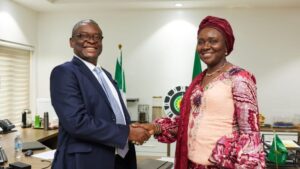
A representative of the World Bank, Gloria Joseph-Raji, disclosed this at the launch of the 11th edition of BudgIT’s State of States Report, themed: ‘From Allocation to Impact: Rethinking State Spending Priorities.’
She said recent economic reforms, including exchange rate unification, petrol subsidy removal and improvements in tax administration, had significantly expanded government revenues, giving states greater capacity to finance essential services.
States had also benefited from federal government settlements of outstanding obligations, intervention funds for infrastructure and security, and improved internally generated revenue (IGR).
“A few years ago, many states struggled to meet non-discretionary expenditure commitments, in particular civil service salaries. But our understanding today is that all states are meeting their salary commitments, and they have additional resources available for service delivery,” she said.

However, Joseph-Raji said an assessment of expenditure patterns across the 36 states showed that transport infrastructure investments had grown faster than spending on education, healthcare and social protection, including in states with weaker human capital outcomes.
The findings aligned with the World Bank’s October Nigeria Development Update, titled ‘Beyond the Federal Purse – How Higher State Revenues Reshape State Priorities,’ which examined changes in state spending following increased public revenues since 2023.
She said although most states had expanded infrastructure investments and reduced their debt burdens, particularly domestic debt, greater attention was needed to sectors with direct implications for citizens’ welfare.
“Allocating resources to sectors with the greatest development impact is therefore essential,” she said.
On revenue sources, Joseph-Raji said federation transfers remained the dominant source of funding for most states, accounting for more than three-quarters of revenue in all but a handful of states in 2025.
Between 2021 and 2025, federation transfers contributed 73 per cent of aggregate state revenues, excluding Lagos State, which has a relatively large IGR base.
She warned that the dependence exposed state finances to fluctuations in federally shared revenues, while internally generated revenue remained insufficient to support recurrent expenditure in most states.
“Moreover, IGR remains narrowly based and is sufficient to cover recurrent expenditure in only two states,” she said.
She called for stronger public financial management, including improved budget credibility, cash management, commitment controls and public investment management, to ensure that increased revenues translated into better services.
She also urged states to integrate fiscal risks and debt management into budget processes and properly capture donor-funded activities in their budgets, implementation reports and annual financial statements.
Joseph-Raji acknowledged improvements in fiscal transparency, recalling that only five of Nigeria’s 36 states publicly released their budgets when BudgIT began its State of States assessment.