
 Get Guardian on Google
The Federal Government has uncovered unauthorised electricity connections involving about 14 industrial customers along a particular corridor, with unpaid electricity charges exceeding N400 million over the last few years.
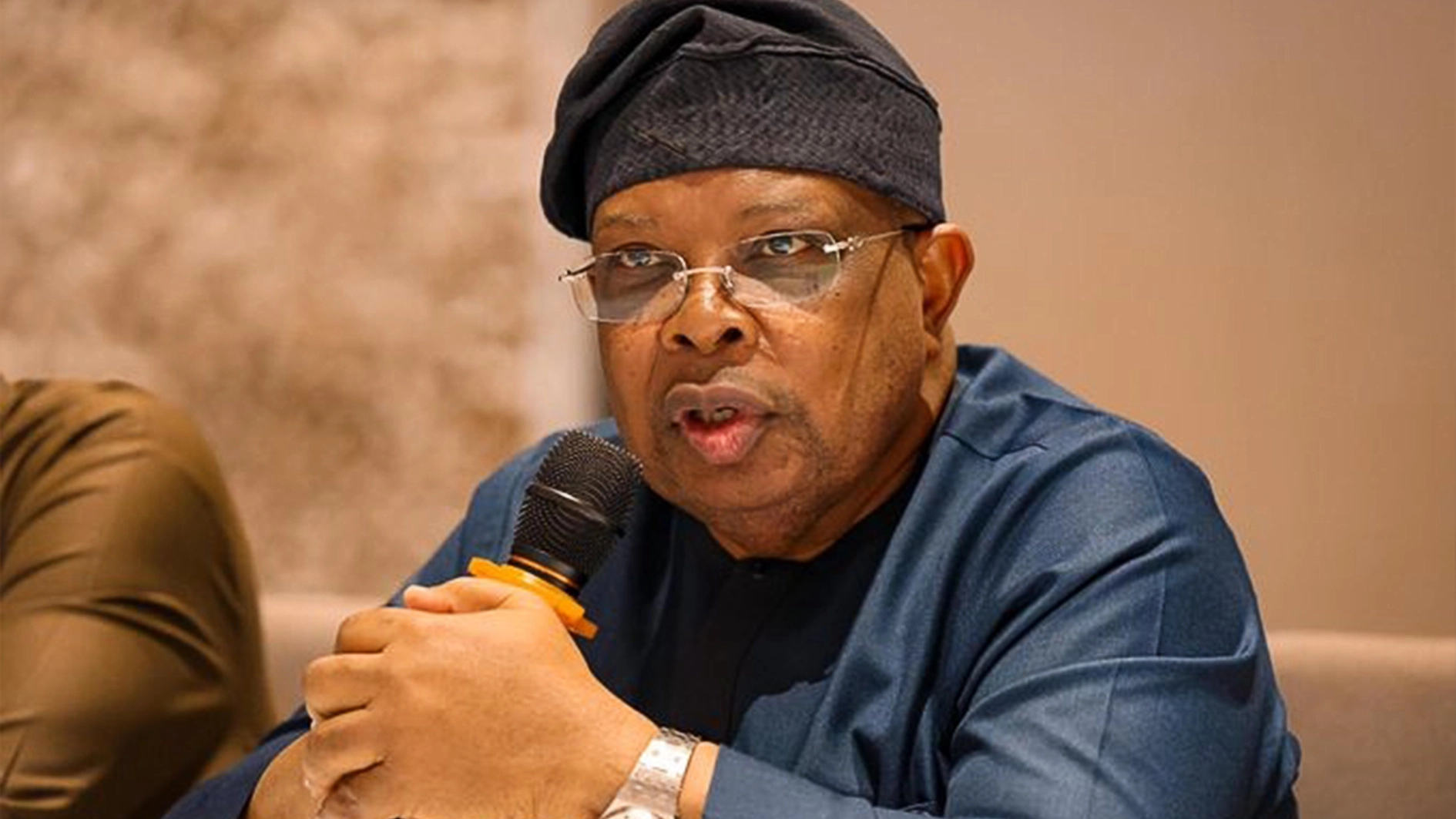
Minister of Power, Joseph Tegbe, disclosed this yesterday at the 2026 Manufacturers Energy Security and Energy Efficiency Summit in Lagos, saying the government would pursue recovery and hold those responsible accountable.
He said the unauthorised connections deprived the electricity sector of revenue needed to sustain supply and unfairly burdened consumers who paid their bills. He urged manufacturers to support lawful electricity connections, warning that “this abuse cannot be allowed to continue.”
Tegbe also disclosed that the President had approved a coordinated anti-vandalism campaign involving railway security agencies to protect critical national assets and hold offenders accountable. He described vandalism as a serious threat to the power sector, saying it damaged critical infrastructure and disrupted electricity supply.
Outlining the government’s plans to address the sector’s challenges, the minister said it had developed a four-pronged roadmap covering grid standardisation, sector liquidity and sustainability, asset optimisation, and expansion.
He said the approach would prioritise major electricity demand centres through corridors that align generation, transmission and distribution with demand. Lagos, he added, had been identified as the country’s first energy-zone corridor because it accounts for 50 per cent of national electricity demand.
According to him, the government is working with the Lagos State Government to identify constraints affecting supply in the state.
Tegbe said a technical audit, which had been underway for four weeks, was expected to establish a diagnostic baseline for identifying infrastructure problems and prioritising interventions. He said the exercise was necessary to prevent spending money on the wrong projects without properly identifying the sector’s needs.
He identified constrained gas supply, ageing equipment, network bottlenecks, vandalism and electricity theft among the challenges affecting the sector.
He said he was working with the Minister of State for Gas to develop a maintenance programme for gas facilities to prevent power plants from undergoing maintenance simultaneously.
He also said the government was addressing legacy debts owed to generating companies, which he put at N3.3 trillion after negotiations and reviews. According to him, the first and second tranches of the government’s payment programme had raised more than N1.2 trillion towards settling part of the debt.
Tegbe further said transmission capacity had increased by more than 15,000 megavolt-amperes between 2023 and 2026, with over 1,300MVA added in the preceding two months. He said the additional capacity was expected to make more electricity available to distribution companies for industrial, commercial and household consumers.
The minister also said more than 2.8 million customers had been metered in the past three years, while the Rural Electrification Agency had connected more than 25 tertiary institutions. He added that the government had commenced construction of a new distribution control centre to improve the management of the electricity network.
Meanwhile, the Nigerian Electricity Regulatory Commission (NERC) said it was engaging distribution companies to prioritise electricity supply to industrial customers through improved network investment and the identification of dedicated industrial feeders.
NERC Chairman, Musiliu Oseni, said distribution companies could access about $250 million under the Federal Government’s Distribution Sector Recovery Programme, supported by the World Bank, to improve network investment. He said the commission was also encouraging investment in battery-enabled storage solutions to support more reliable supply to industries.
Oseni, represented by the Director, Economic Regulation, NERC, Agba Terab, said the commission had approved a Net Billing regulation that would allow eligible customers with excess electricity from their captive generation, particularly solar and other renewable sources, to sell the surplus to distribution networks transparently and predictably.