
 Get Guardian on Google
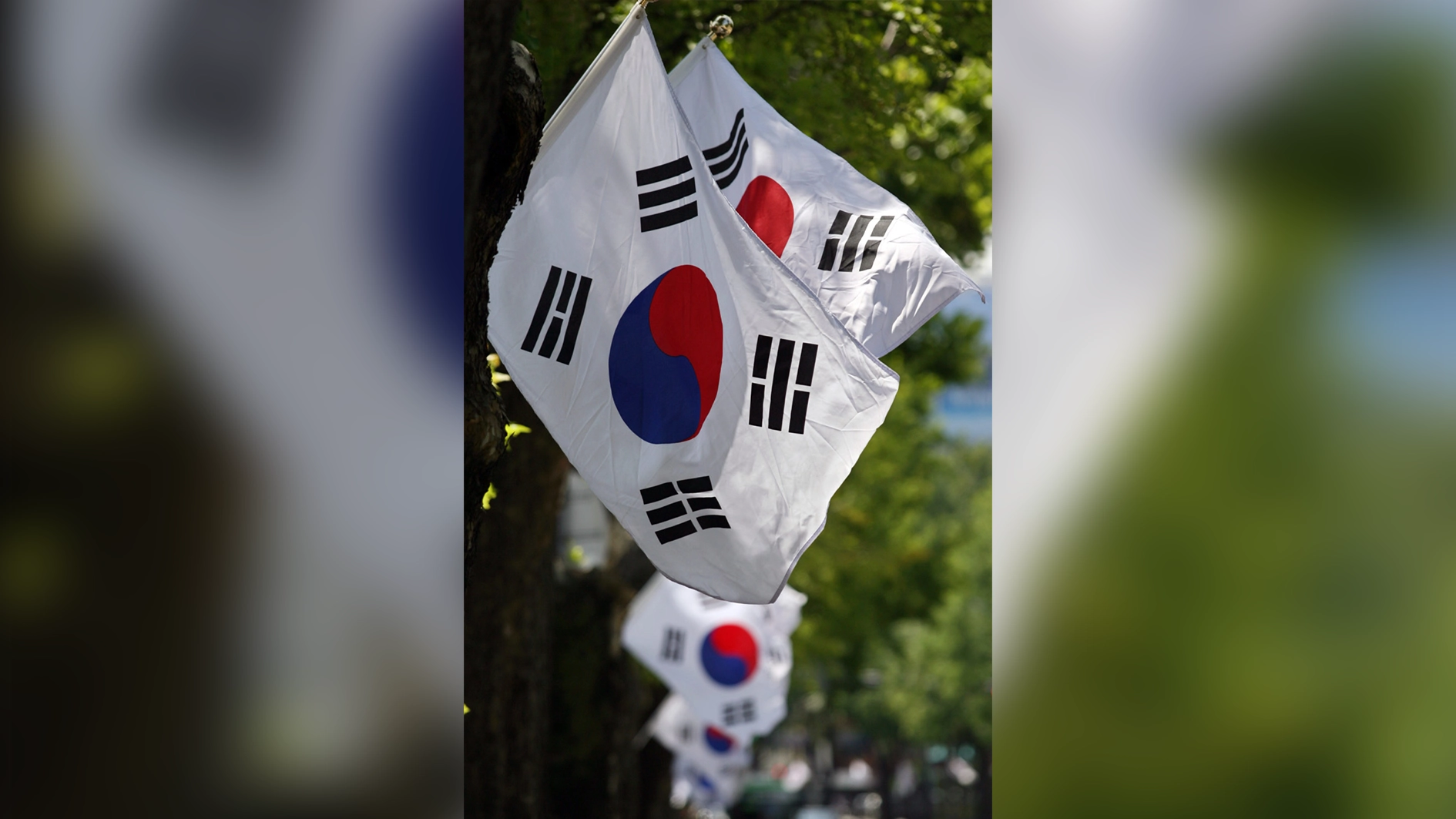
South Korea has urged Nigeria to ratify the double taxation avoidance agreement signed by both countries in 2006, warning that resolving the outstanding issue would send a strong signal to investors and strengthen bilateral economic relations.
The Korean Ambassador to Nigeria, Jeong Yo-an, said in Abuja yesterday that the agreement, which Nigeria has not ratified for two decades, is important for improving investment predictability and creating a more conducive environment for Korean businesses seeking to expand their operations in the country.
The ambassador identified the outstanding agreement as one of the economic issues he intends to prioritise, alongside expanding bilateral trade beyond oil and gas into manufacturing, agriculture and digital technology.
“Our two countries signed a double taxation agreement in 2006. Twenty years later, it is still waiting for ratification,” he said.
He stressed that investors needed predictable business conditions, particularly clear rules governing foreign exchange, customs and taxation.
“Moving it forward would send a strong signal to investors,” he added.

The agreement, signed on November 6, 2006, was intended to prevent the same income from being taxed in both countries and provide greater certainty for individuals and businesses operating across the two jurisdictions.
While South Korea completed its domestic ratification process in April 2007, Nigeria’s ratification process faced delays.
According to the diplomatic brief accompanying the ambassador’s remarks, Nigeria’s National Assembly passed the agreement through both chambers in May 2019 before transmitting it to the Presidency in June of the same year.
However, the process stalled after it failed to secure presidential assent before the end of the previous administration.
The change of government in May 2023 also raised questions about whether the agreement could proceed through the outstanding presidential approval process or would require a fresh legislative procedure.
The unresolved status has remained a concern for efforts to strengthen the investment relationship between the two countries.
The ambassador said the seventh session of the Nigeria-South Korea Joint Commission, which Nigeria has offered to host in Abuja, would provide an opportunity to advance discussions on economic cooperation and address outstanding bilateral issues.
He said trade between the two countries reached about $1.1 billion last year, with Nigeria remaining one of South Korea’s largest trading partners in Africa.
However, he said the trade relationship needs to diversify beyond oil and gas into manufacturing, agriculture and digital technology.
South Korean companies, including Daewoo Engineering and Construction, National Assembly, LG and Hyundai, have maintained business interests and partnerships in Nigeria.
The ambassador said the next phase of cooperation should place greater emphasis on local manufacturing, technology transfer, local assembly and employment creation.
He specifically identified opportunities in agricultural machinery, digital skills, maritime development and manufacturing as areas where Korean expertise could support Nigeria’s industrial capacity.