
 Get Guardian on Google
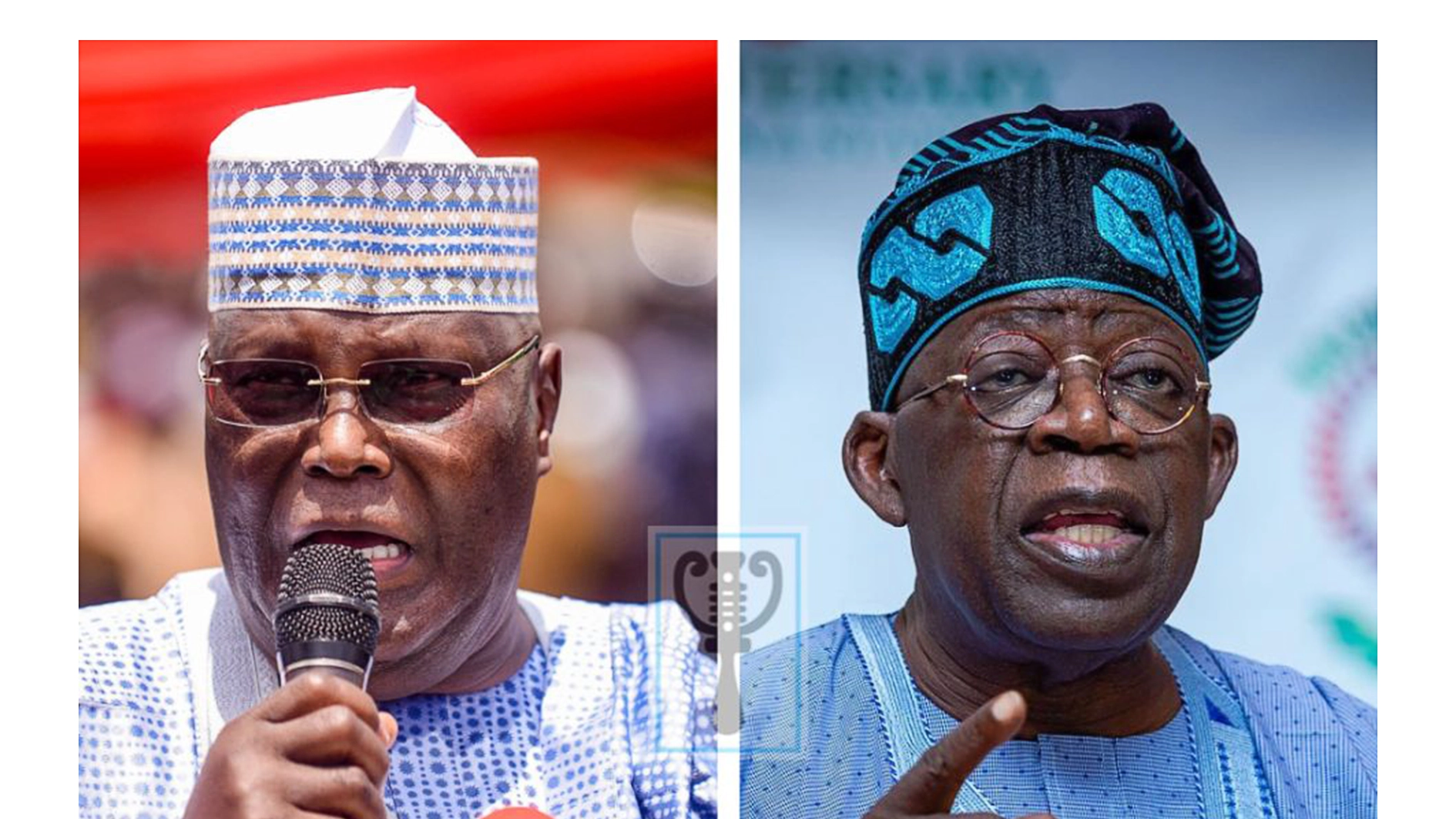
Former Vice President Atiku Abubakar has accused President Bola Tinubu of attempting to distract Nigerians from his administration’s record by questioning his investment in education, insisting that the foundation of ABTI Academy, which later became the American University of Nigeria (AUN), was laid in 1993.Atiku, the African Democratic Congress (ADC) presidential candidate, also revived allegations surrounding Tinubu’s forfeiture of $460,000 in the United States, saying the development occurred around the time he began investing in education.
In a statement issued on Saturday by his Director of Strategic Communication, Phrank Shaibu, Atiku said his investment in education predated his time in public office.
“Again, Bola Tinubu has told Nigerians why they should not allow him to continue as president after his first tenure. He also chose to question my investment in education and ask how I built an educational institution while serving as Vice President.
“The answer is simple: my investment in education predates my time in public service. In 1993, while a U.S. court ordered the forfeiture of funds in an account in your name, describing them as proceeds of narcotics trafficking or funds involved in unlawful financial transactions, I was laying the foundation for ABTI Academy. That Academy has since grown into the American University of Nigeria,” he said.
Atiku argued that his business and educational investments were traceable, accusing Tinubu of attempting to undermine his record through political attacks.
He said the President should focus on addressing Nigeria’s economic difficulties rather than questioning his investment in education.

“A president who has plunged the country into a crushing cost-of-living crisis has no business asking Nigerians for another mandate. The real conversation about the 2027 election is how to repair the damage your government has done,” he said.
Atiku also faulted the administration’s economic policies, particularly the removal of petrol subsidy, rising living costs, mounting debt, insecurity and unemployment.
He questioned the government’s claim that the country must move forward without fuel subsidy, asking whether the policy would lead to deeper poverty and economic hardship.
The former Vice President further accused the Tinubu administration of worsening poverty, claiming that more than 79 million Nigerians had been pushed into extreme poverty.
He also criticised a recent comment attributed to the Director-General of the President’s campaign, accusing the administration of dismissing the hardship facing Nigerians.
According to Atiku, the government cannot effectively address poverty while failing to acknowledge the extent of the economic difficulties confronting citizens.
He said his Affordable Life campaign was designed to offer Nigerians an alternative to what he described as the hardship imposed by the Tinubu administration.
Atiku also defended his proposal to introduce a transparent, production-based fuel subsidy tied to local refining, promising that Nigerians would benefit from reduced energy costs.
“You say Nigeria will never return to subsidised petrol prices. You are wrong. By the grace of the Almighty and with the mandate of the Nigerian people, I will restore a transparent, production-based subsidy tied to the local refining of fuel. Nigerians will benefit directly through lower energy costs, including the prices of petrol and diesel,” he declared.
He further promised investments in social welfare and an end to what he described as an opaque system for distributing funds meant for economically vulnerable Nigerians.
The ADC candidate accused Tinubu of attacking his campaign because it represented an alternative to the administration’s policies, insisting that he would remain on the ballot for the 2027 presidential election.
Atiku expressed confidence that he would defeat the President, arguing that the administration had little to showcase after three and a half years in office.
He pledged that his Affordable Life campaign would focus on restoring economic growth, prosperity and national development.