 Get Guardian on Google
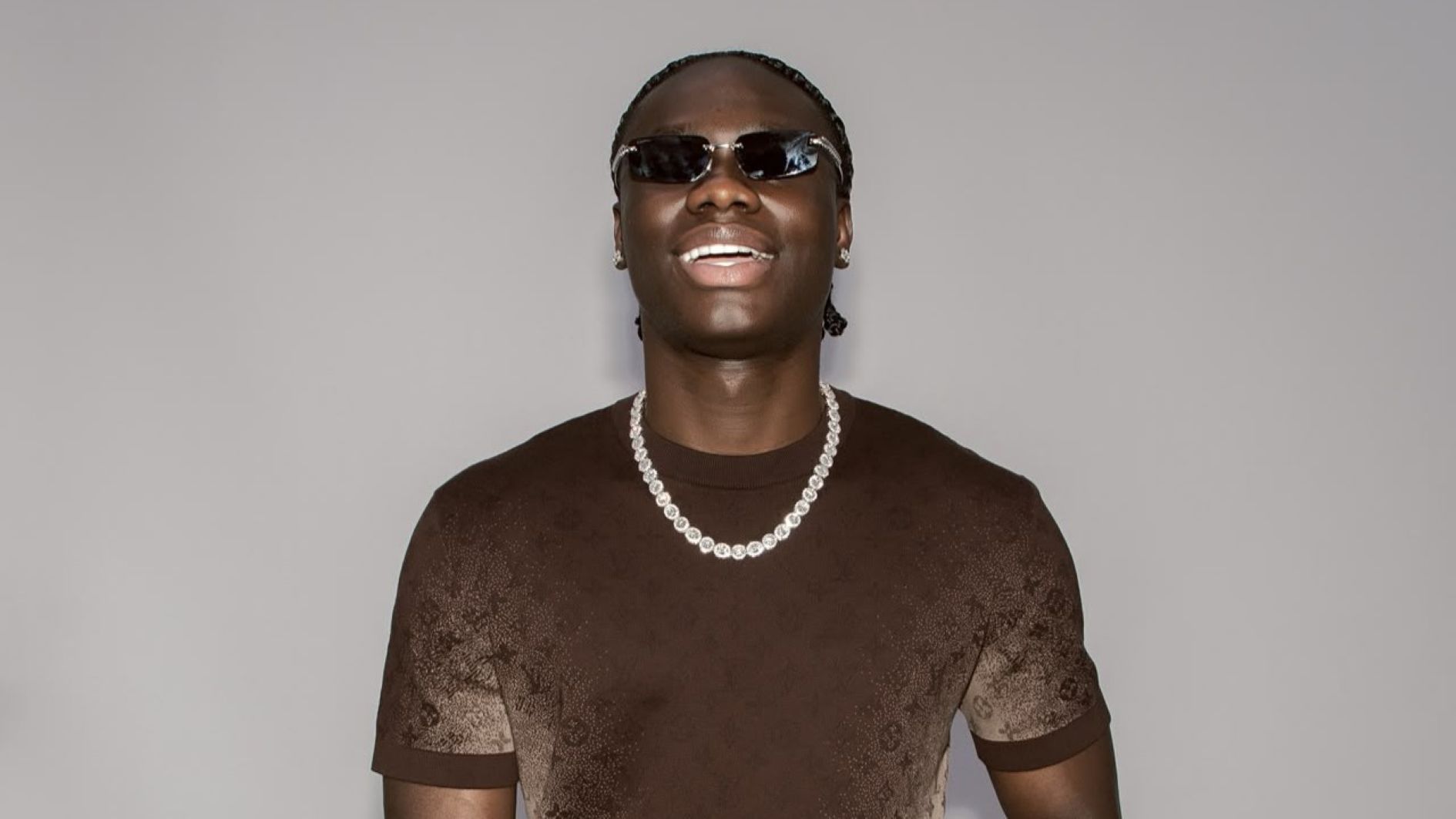
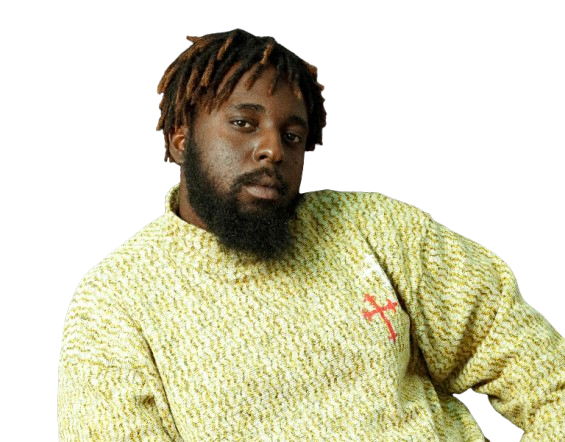
For Nigerian drummer and music producer Blaqboi, music has always been a language of its own. From breaking his mother’s plates as a child while experimenting with percussion to discovering the possibilities of digital music production, the 27-year-old musician has spent nearly two decades honing his craft. His journey has been shaped by church music, Michael Jackson’s showmanship and an enduring fascination with the creative processes behind some of the world’s biggest records.
Now, with his instrumental project Seven Sounds, his collaboration with Terry on First Class, and a forthcoming project titled Introduction, Blaqboi is carving out his identity as a producer with ambitions beyond the recording studio. In this conversation, he discusses his musical upbringing, creative influences, production journey and his dream of inspiring a generation of instrumentalists to embrace the spotlight.
How has 2026 been for you so far, especially with your music releases?
It’s been amazing. The year has been full of surprises, and I still feel like God has more surprises coming for me before the year ends. My manager and I started planning the EP around April, and it’s been a whole roller coaster of surprises, emotions and God’s plans. Now we’re in October, and we’re already preparing for a lot of big things. I would give all the credit to God, for real.
Speaking of introductions, when did your own journey into music begin? How old were you when you started?
I’m 27 now, but I’ve been playing drums since I was nine. It started from the house. There was a church beside our house, and it was always nice hearing them sing and play drums on Sundays. My heart was always drawn to the drums.
I started by breaking my mum’s plates in the house. She’s a witness to that. Then I graduated to playing drums in elementary school. From Primary Two, I was already the drummer for the whole school. I moved on to church, and I think I was about 11 or 12 when I started playing in the main church.
From there, I continued playing in school. I eventually got into music production in 2023 because drumming was my main brand, but I wanted to find another way to connect with people and let them know me better.

Whenever I listen to music, I love breaking down how the song was made. People hear a complete song, but there’s so much effort that goes into making it sound the way it does. That curiosity led me into production. But I’ve been in music since I was nine.
Who were your biggest musical influences growing up, apart from the church?
My dad bought me a lot of Michael Jackson CDs when I was very young. I was captivated by his performances and how he could wow a crowd. I saw how people went crazy for his music, and I used to ask myself how I could achieve something similar as an instrumentalist.
How could I make people feel something through drumming? How could I communicate with people through an instrument? Music is an everyday language. Everyone can understand music, even when they don’t understand the lyrics.
We have Nigerian artistes singing in Yoruba, and people around the world love their music without necessarily understanding what they’re saying. So I wanted to know how I could turn drumming into entertainment and become an entertainer myself.
The church was another big influence because it taught me how music is broken down into different parts. You learn to understand the arrangements and recreate them. Growing up, I also listened to a lot of rap music, especially Drake and Travis Scott.
When did you first start using music production software, and what inspired that decision?
There was a Kanye West song I heard, Runaway. It started with just a piano note before developing into the full music. I thought that was amazing, and I really wanted to understand how to create something like that.
On January 1, 2023, I told myself I was going to get into music production. I picked up FL Studio and started learning. Since then, it’s been amazing.
What were those early days of production like? Were you sending beats to people, and what kind of feedback were you getting?
Before I started sending beats to people, I was listening to them myself. I’d already been a musician for years, so I had some understanding of music. But my sound was different from the regular things I was hearing because I liked infusing different sounds together.
I started playing my beats for my friends, including Super Sponge, and sending them to people who weren’t musicians. I wanted to know if they could relate to the sound.
They would tell me what sounded good and what needed improvement. I took their feedback and implemented it into the music. Eventually, production became something I did every day. It became like ABC to me.
As a producer, what kind of sound do you want to be known for?
I want to be known as a great musician who can make different genres of music. Blaqboi can decide to release an R&B album tomorrow. I can decide to release a rap album or an African music album. I want to explore everything.
We’re taking the sound worldwide, so I want to be able to connect with different audiences.
Right now, I’m putting out whatever my mind feels like creating. My current project is mainly Afrobeats and African music. Introduction is about introducing people to that side of my sound.
Let’s talk about Seven Sounds. What inspired that project?
With Seven Sounds, I wanted to show people my creativity as a producer without having vocals on the tracks.
I’ve always wanted to put my sound out there so people can listen and understand what I’m working on. I wanted people to realise that they could enjoy instrumentals without necessarily having vocals on them.
It was also part of the journey towards Introduction. Seven Sounds was me putting my sound out there and showing people what I could create.
Do you have a favourite track from the project?
Bounce.
Why is that one special to you?
Bounce is very spiritual to me because I made that instrumental at a very low point in my career. Things weren’t moving the way I wanted them to, and I was very sad that day. My dad was also in the hospital.
I called one of my guys, who’s a sound engineer, and told him I wanted to come to the studio and express how I was feeling.
When I got there, I started making beats on his laptop. I heard this particular bass sound, and it inspired everything that followed.
That song means a lot to me because of what I was going through when I created it.
I also have plans for some of those instrumentals. I want to bring artistes onto them eventually and release them as full songs. So Bounce is a very special one.
You worked with Terry on First Class this year. How did that collaboration happen?
Terry is a very special artiste, and First Class is a classic. The world will catch up soon.
The collaboration wasn’t planned at all. We had already finished the project, and there was no plan to have Terry on it.
Then one of my guys called me and said Terry was at his place. He asked if we would like to work together, and I said, “Sure, that’s fine.”
Terry is a very brilliant artiste. When we got together, we didn’t even spend much time on introductions. We just started playing beats.
First Class was the second beat he heard, and we ended up making a full song. Everything happened naturally. I believe that was God’s plan because none of it was arranged beforehand.
You mentioned that you have another project coming. What can listeners expect from it?
It’s a project I really believe in. I want to show people that producers can also release songs and build their own identities as artistes.
There’s so much swag in being a producer. We create sounds from nothing. You can sit in front of your laptop, start with absolutely nothing and end up creating a complete beat.
That’s something I want people to appreciate.
This is a producer’s project, and I believe people are really going to enjoy it. There are different sounds on it, and I’m excited about what we’re creating.
When you’re not making music, what are you usually doing?
I’m probably playing drums, watching funny videos, talking to my loved ones or handling some of the other businesses I’m involved in.
What’s your long-term vision for Blaqboi as an artiste and producer?
My vision is for Blaqboi to become an inspiration to talented people around the world.
People sometimes call instrumentalists and producers the voiceless musicians because we’re often behind the scenes. You have people playing the piano, producing records and creating music without necessarily singing.
I want to be a voice for those people. I want to show them that they can become superstars regardless of what they do, as long as they’re good at it and know how to present themselves.
Today, we have streamers becoming famous. DJs are superstars. Footballers are superstars. There are so many ways to build an identity around your talent.
I want to inspire people who have those gifts to put themselves out there. You don’t necessarily have to be a singer to become a superstar in music.
You can be a creative person, make great music and take your talent to the world. That’s what I want Blaqboi to represent.
Finally, I’m curious about your stage name. Why Blaqboi?
That’s a very funny question.
When I was younger, my classmates used to tease me because I was the darkest kid in class. They would always call me “Black Boy.”
People used to say my skin was very dark, like a different kind of dark. So I decided to take that name and turn it into something positive.
I thought, if everyone already knows me by this name, why don’t I make something good out of it?
That’s how Blaqboi came about.