
 Get Guardian on Google
By Joseph Chibueze
The Federal Government has initiated a comprehensive review of the funding arrangements for Nigeria’s diplomatic missions abroad, amid persistent financial constraints threatening their operations.
The review, being coordinated by the Revenue Mobilisation, Allocation and Fiscal Commission (RMAFC), is expected to produce a sustainable, transparent and predictable financing framework that will address funding uncertainties, improve expenditure management and strengthen accountability in the operation of Nigerian embassies and high commissions.
The initiative follows a presidential directive issued on October 14, 2026, mandating a Presidential Technical Working Group to examine the existing funding structure and recommend practical reforms for addressing the financial challenges confronting the country’s foreign missions.
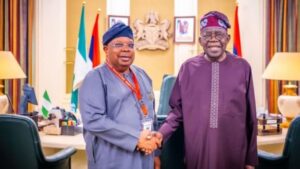
Chairman of RMAFC, Dr. Mohammed Bello Shehu, disclosed this on Tuesday in Abuja while presiding over the inaugural meeting of the Presidential Technical Working Group at the Commission’s headquarters.
Shehu said President Bola Tinubu expected the committee to develop an implementable solution capable of resolving the funding crisis rather than merely proposing additional budgetary allocations.

“Mr President is very passionate about this exercise. So he expects us to come up with something workable, that can be implemented and that can solve this problem once and for all,” he said.
The review could have significant implications for public expenditure management, particularly as the Federal Government grapples with competing fiscal demands, including debt servicing, infrastructure financing and the funding of critical public services.
Beyond determining how much should be allocated to diplomatic missions, the committee is expected to examine whether existing funding mechanisms deliver resources when required, how foreign exchange arrangements affect mission operations and what expenditure controls could improve the utilisation of public funds.
Shehu cautioned against an approach that focuses exclusively on increasing budgetary provisions, insisting that the review must address the structural weaknesses responsible for recurring financial difficulties.
He identified the timeliness and predictability of fund releases, budget formulation and execution, foreign exchange measures, expenditure management and prioritisation of critical diplomatic obligations as key areas requiring examination.
The RMAFC chairman said the Commission’s concern followed observations from official study engagements and interactions with personnel of Nigerian diplomatic missions in several countries, which exposed the operational consequences of funding constraints.
He described the missions as enduring symbols of Nigeria’s sovereignty and critical instruments of international engagement, responsible for protecting Nigerians abroad, strengthening bilateral relations, promoting trade and investment, and projecting the country’s interests internationally.
According to him, persistent funding uncertainty could undermine these responsibilities and weaken the country’s capacity to maintain effective diplomatic relations.
The committee has been directed to conduct a comprehensive fiscal and technical assessment of existing arrangements, identify the underlying causes of financial instability, evaluate alternative funding models and recommend a framework that is transparent, predictable, affordable and sustainable within Nigeria’s public finance realities.
It is also expected to examine international best practices while ensuring that proposed solutions reflect Nigeria’s constitutional, legal and institutional circumstances.
Shehu cited Paragraph 32(c), Part I of the Third Schedule to the 1999 Constitution, as amended, which empowers RMAFC to advise the Federal and State Governments on fiscal efficiency and methods of increasing revenue, as the constitutional basis for the Commission’s involvement.
He, however, clarified that the initiative was designed to complement rather than encroach on the statutory responsibilities of other government institutions.
The Presidential Technical Working Group is expected to submit its report, alongside a programme of action for implementation, not later than December 11, 2026.
To achieve this, the chairman outlined immediate priorities, including agreeing on clear terms of reference, developing a structured work plan, identifying relevant financial and operational documents required from participating institutions and determining modalities for wider stakeholder consultations.
He said the final report must go beyond identifying existing challenges to present evaluated funding options, recommend a preferred financing model and provide a practical implementation framework detailing timelines, institutional responsibilities and necessary administrative or legal reforms.
The committee will also be guided by evidence-based analysis, inclusive consultations and recommendations that are legally sound and financially realistic.
Shehu urged participating institutions to provide timely access to reliable information and adequate technical support, assuring them that RMAFC would provide the necessary secretariat coordination.
He stressed that the objective was not to apportion blame for existing shortcomings but to establish a coordinated institutional framework capable of ensuring the effective and accountable funding of Nigeria’s diplomatic obligations.
The Permanent Secretary, Federal Ministry of Foreign Affairs, Dr. Dunoma Umar Ahmed; Senior Adviser to the President on Foreign Affairs, Ambassador Oluremi Olumide; and Deputy Comptroller-General of the Nigeria Immigration Service, DCG Franka Halliday, were among the officials present.
Representatives of the National Salaries, Incomes and Wages Commission and the Office of the Accountant-General of the Federation also attended the meeting.
The inaugural meeting marks the beginning of an inter-agency effort to address the longstanding financial challenges confronting Nigeria’s diplomatic missions.