
 Get Guardian on Google
The Council for the Regulation of Freight Forwarding in Nigeria (CRFFN) has disclosed that its newly introduced professional licensing scheme could generate over N1 billion yearly, while plans are underway to introduce another revenue-enhancement initiative expected to generate an additional N20 billion.
This comes amid controversy over the collection of the Practitioners Operating Fee (POF), which has faced legal challenges and complaints from freight-forwarding practitioners regarding its management and utilisation.
The revenue diversification plan has drawn criticism from freight forwarders, who warned against imposing additional financial burdens on industry operators and questioned the level of consultation before introducing new revenue-generating initiatives.
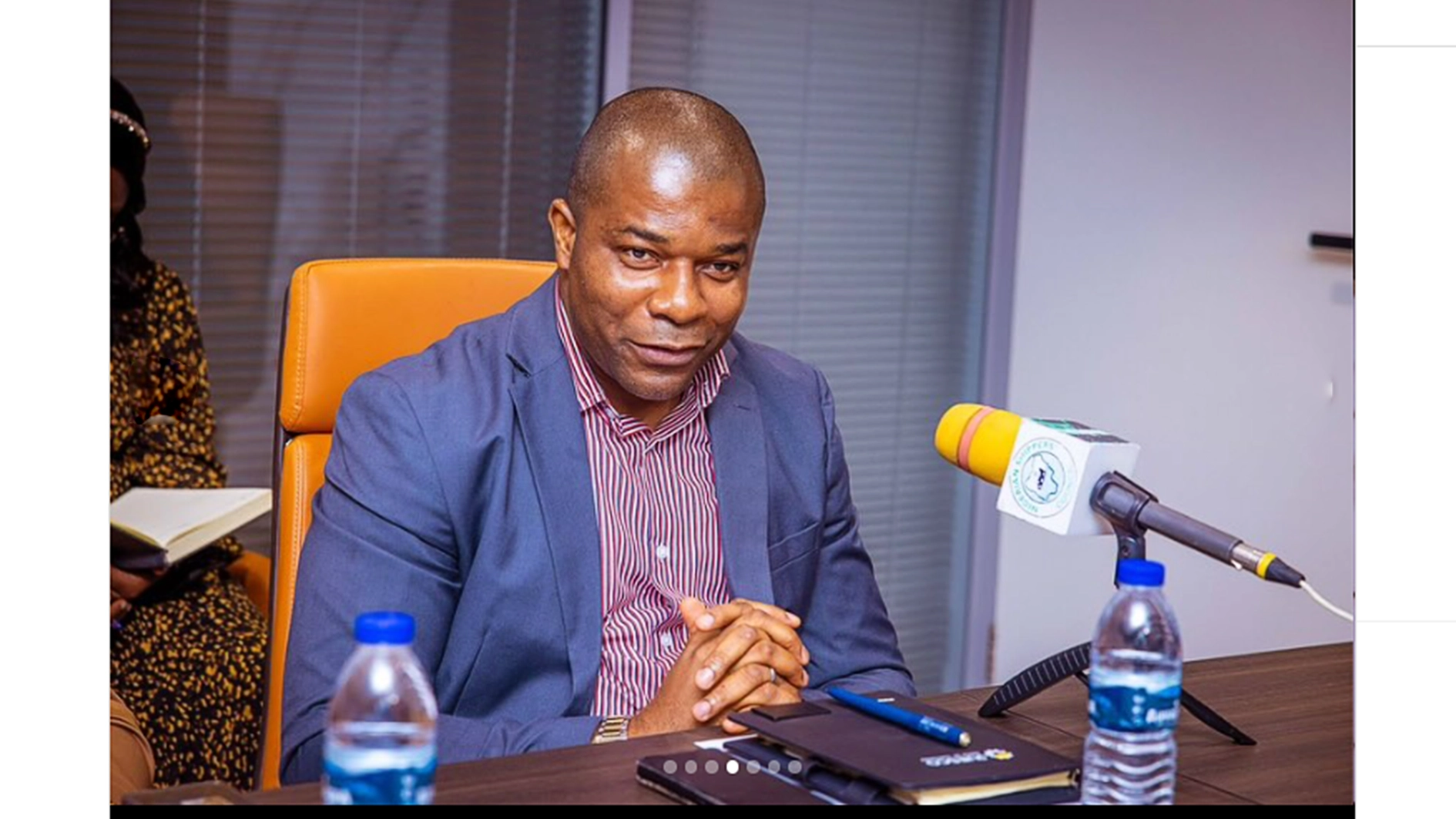
The Registrar of CRFFN, Kingsley Igwe, explained the Council’s deliberate shift away from excessive dependence on POF toward alternative revenue streams to strengthen its financial capacity.
He said the professional licensing scheme is expected to contribute over N1 billion to the Council’s revenue, which is separate from the income generated through registration and other regulatory activities.
Igwe disclosed that the Council is developing another revenue-enhancement initiative projected to generate over N20 billion yearly, although he did not provide further details.

He explained that the new revenue initiatives were designed to provide tangible value to stakeholders, unlike the POF, which has remained a contentious issue within the freight forwarding community.
Igwe acknowledged that the collection process had faced legal challenges in the past but said the Council had overcome the court-related issues through an appeal.
He stressed that POF collection was still ongoing but insisted that the Council was no longer relying on it as its primary revenue source.
The Registrar said the rationale behind the new professional licensing framework was different from the previous registration system, noting that it was backed by Section 25 of the CRFFN Act, which empowers the Council to issue professional licences.
He explained that while operational licences authorise freight forwarding companies and individuals to perform specific services, professional licences certify individuals to practise as freight forwarding professionals.
According to him, the licensing framework would strengthen the Council’s regulatory authority, improve compliance and enable it to impose penalties on practitioners who violate established regulations.
Former CRFFN Board Member and former National President of the National Association of Government Approved Freight Forwarders (NAGAFF), Increase Uche, questioned the Council’s approach and the extent of stakeholder consultation preceding the new initiatives.
Uche said the council should engage industry stakeholders and obtain their input before implementing policies that affect freight forwarding operations.
Uche maintained that POF remained capable of funding the Council, suggesting that the focus should not be on introducing alternative revenue streams at the expense of the existing arrangement.
Also speaking, a member of the Association of Nigerian Licensed Customs Agents (ANLCA), Apapa Chapter, Emeka Ejike, questioned how CRFFN intended to achieve its revenue projections, particularly against the backdrop of poor compliance with POF payments.
Ejike argued that introducing additional revenue-generating measures could increase the financial burden on freight forwarders and ultimately affect the cost of goods and services.
He warned that additional charges could have broader economic implications, particularly if the costs were passed on to consumers through higher prices for goods and services.
Ejike called on CRFFN to prioritise adequate consultations with industry stakeholders before introducing and implementing new policies, stressing that the business environment was already facing several financial pressures.
“Even the POF, people are not paying. The government is just trying to generate revenue at all costs through several taxes and levies, and this is not good for businesses,” he said.