
 Get Guardian on Google
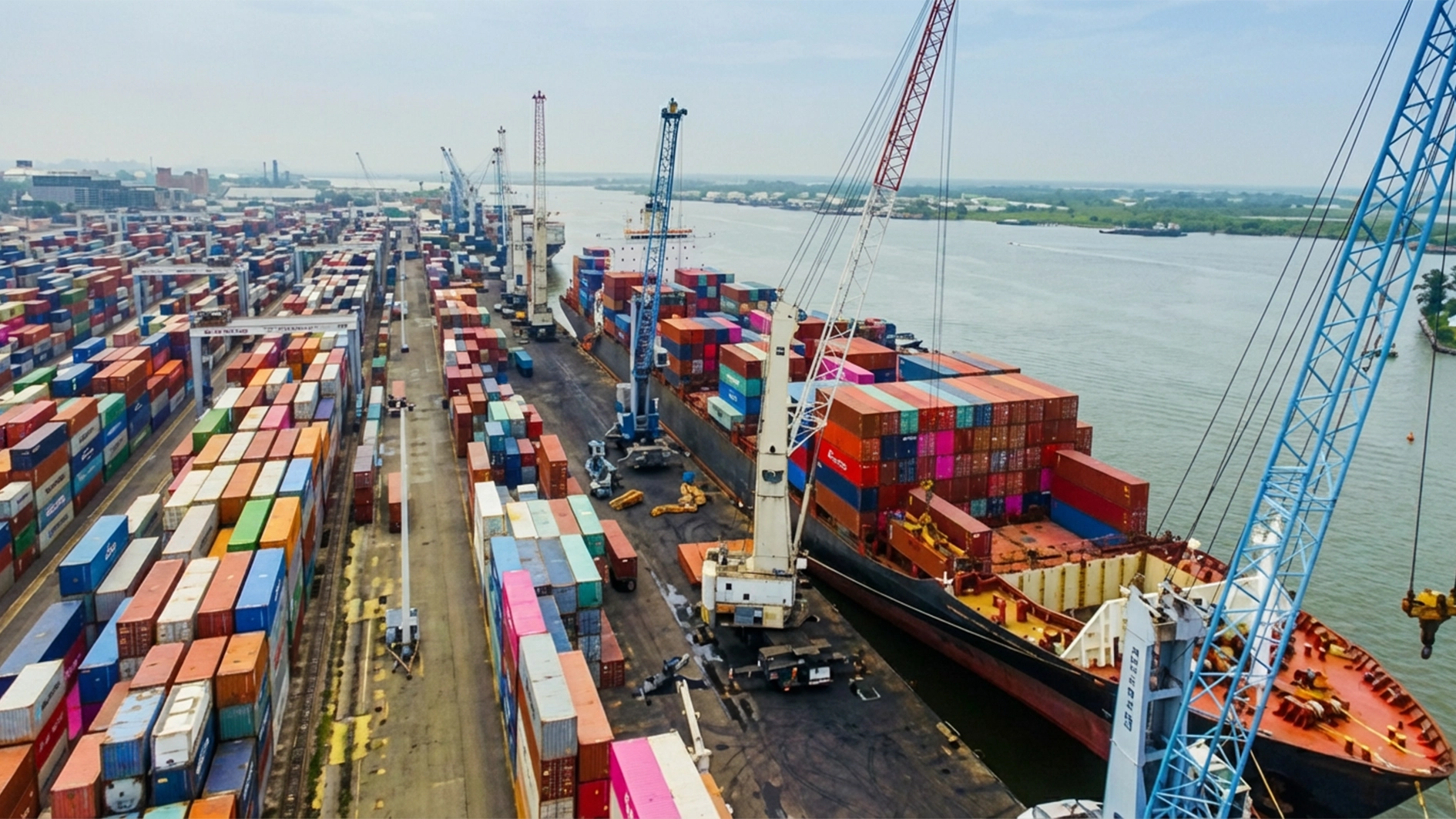
Stakeholders are set to address bottlenecks in vessel registration and other regulatory processes in Nigeria, amid reports that some shipowners spend about eight months completing vessel ownership transfers and registration under the Nigerian flag.
In contrast, the same ship operator reportedly completed the registration and documentation of another vessel under the Marshall Islands flag within two weeks.
The experience raises concerns about administrative efficiency, regulatory procedures, policy gaps and the competitiveness of Nigeria’s maritime environment. These issues are expected to feature prominently at the 2026 National Convention and Stakeholder Engagement of the Alumni of the Maritime Academy of Nigeria, Oron (AMANO).
This was disclosed by the Chairman of the Convention’s Planning Committee, Jonathan Agassi, during the media unveiling of the programme, scheduled to hold in Lagos from November 12 to 14, 2026, under the theme: “From Policy to Practice: Executing Maritime Excellence Through Professional Capability and Real-World Results.”
He said the convention will provide an opportunity for shipowners and other industry operators to explain the challenges they encounter and recommend reforms that can make the Nigerian maritime sector more attractive to local and international investors.
Agassi explained that this year’s convention was deliberately designed to trigger honest conversations about the gaps between government policies and their actual implementation.

AMANO President, Emmanuel Maiguwa, said Nigeria’s maritime industry had reached a critical stage where deliberate collaboration between policymakers, regulators, industry operators and professional institutions was necessary to translate existing policies into tangible achievements.
He explained that although the country had introduced important frameworks, including the National Policy on Marine and Blue Economy and several reforms covering port operations, professional certification and seafarers’ development, the real challenge remained effective implementation.
Maiguwa emphasised that the association remained committed to building a constructive relationship between maritime education and industry practice, noting that its members occupied strategic positions across shipping, oil and gas, port management, marine engineering, navigation, maritime law, freight forwarding and other sectors.
He noted that the association had participated in regional maritime governance and policy development, including its engagement with the Abuja Memorandum of Understanding on Port State Control for West and Central Africa.
On seafarers’ development, he said AMANO had continued to engage relevant authorities on the Nigerian Seafarers Development Programme, implementation of international training and certification standards, protection against abandonment, pensions and welfare.
He also stressed that the convention would go beyond discussions, explaining that recommendations from the sessions would be documented and presented to relevant government authorities and industry stakeholders for consideration and implementation.