
 Get Guardian on Google
NUPRC approves 595 well re-entries, 145 drilling operations in 10 months
In its efforts to raise crude oil production and attract fresh investments into the upstream sector, the Nigerian Upstream Petroleum Regulatory Commission (NUPRC) said it approved 595 well re-entries, 145 new well-drilling operations and 39 Field Development Plans (FDPs) in the first 10 months of 2026.
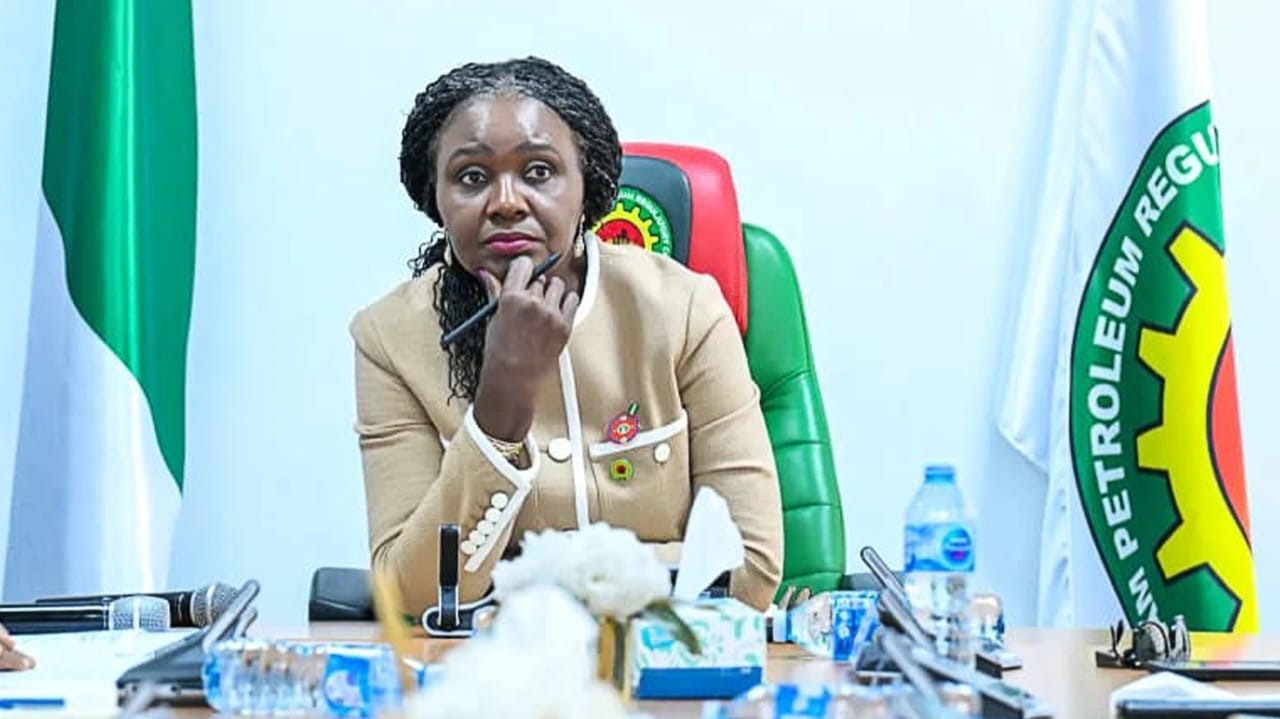
NUPRC Chief Executive Officer, Oritsemeyiwa Eyesan, disclosed this yesterday in a presentation during the management session of the Nigerian Association of Petroleum Explorationists (NAPE) 44th Annual International Conference and Exhibition in Lagos.
She said the approvals, which reflect increased regulatory activity, came as Nigeria’s total rig count rose to 100, with 46 currently engaged in drilling operations.
Represented by the Deputy Director, Basinal Administration, NUPRC, Ahmad Abdullahi, Eyesan said the approvals reflected improvements in regulatory turnaround time, reducing delays and costs associated with projects awaiting regulatory clearance.
However, “from the regulator’s perspective, to ensure that our energy security is not threatened, we must ensure that we approve Field Development Plans and new well-drilling applications to meet our production targets and guarantee energy availability,” she said.

Eyesan attributed the improvement in rig count to regulatory certainty, noting that investors were more willing to commit capital when they had confidence in the industry’s policies and operating environment.
She also identified the Petroleum Industry Act (PIA) as a major factor in rebuilding investor confidence, particularly in seismic data acquisition, which she noted as critical to identifying new oil and gas reserves.
According to her, multi-client seismic companies had invested over $100 million in acquiring seismic data in Nigeria in the three years following the enactment of the PIA.
She stated that the investments were expected to improve geological understanding of the country’s sedimentary basins, provide better information for exploration decisions and support the discovery of additional hydrocarbon resources.
On the efforts to improve security in the oil and gas industry, Eyesan said the NUPRC had introduced initiatives, including the Advanced Cargo Declaration programme and coordinated surveillance involving the Nigerian National Petroleum Company Limited, private security companies such as Tantita Security Services and the Nigerian Navy.
According to her, the commission’s responsibility extends beyond punishing errant operators and vandals, even as its broader objective is to create an environment in which legitimate oil production is more profitable than crude oil theft.
Meanwhile, the Special Adviser to the President on Oil and Gas, Olu Verheijen, said Nigeria must move beyond attracting investment to ensuring that approved projects translate into higher production, industrial growth and economic benefits.
She cited the IMA gas field, discovered in 1973 but which reached a final investment decision (FID) in September 2026, as an example of the lengthy delays that had characterised investment decisions in the country’s petroleum industry.
Verheijen attributed the delay to uncertainties surrounding responsibilities, slow contracting processes, uncompetitive economics and unreliable access to paying customers, adding that the administration had worked to address these constraints through fiscal reforms, negotiations and implementation.