
 Get Guardian on Google
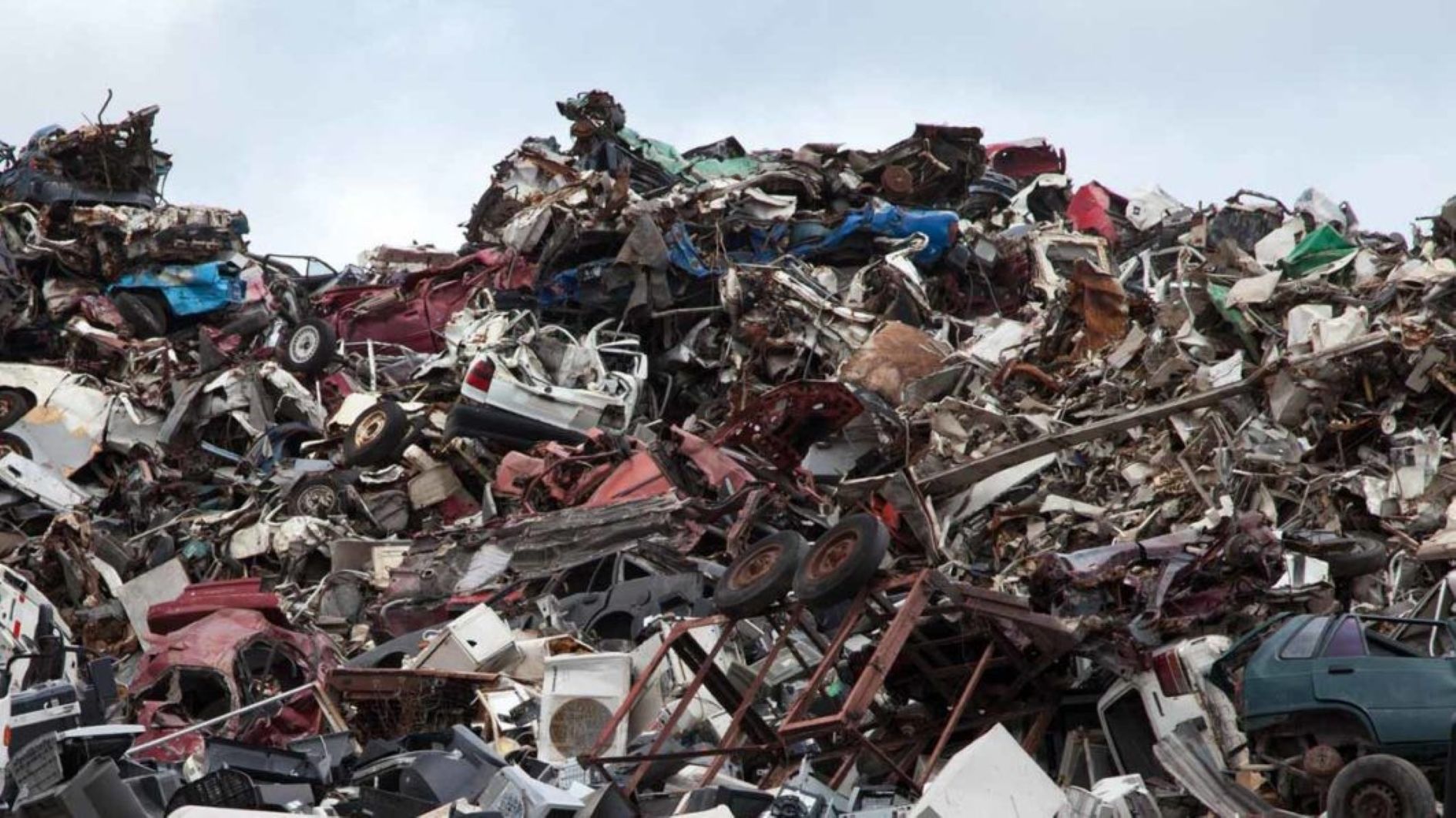
The Federal Government, on Monday, intensified efforts to sanitise Nigeria’s scrap metal industry and curb the theft and vandalism of critical infrastructure and strengthen the country’s steel and metals manufacturing sector through proposed regulations to govern the collection, trading and recycling of scrap metals.
The proposed Scrap Metal (Collection, Trading, Recycling and Regulation) Regulations, 2026, are designed to establish a transparent, organised and sustainable scrap metal value chain that supports local steel production, industrialisation and economic growth.
The Minister of Steel Development, Prince Shuaibu Abubakar Audu, disclosed this through the Director, Metallurgical Raw Material Development and Investment Promotion Department, Ime Eprikpo, at a stakeholders’ engagement for the validation of the draft regulations in Lagos.
The two-day engagement, themed, “Sustainable Scrap Metal Management through Effective Metallurgical Regulation: From Policy to Real Impact.”
Speaking at the engagement themed “Sustainable Scrap Metal Management through Effective Metallurgical Regulation: From Policy to Real Impact,” the Minister explained that the proposed Regulations are designed to establish an organised, transparent and sustainable scrap metal value chain that supports Nigeria’s industrialization agenda.
Audu noted that scrap metal remains a critical raw material for steel making, foundry operations and other metal manufacturing activities, with enormous potential to reduce material wastage, promote circular production, create employment and stimulate economic activities across collection, transportation, processing and recycling value chain.

He observed that these benefits can only be fully realised through an effective Regulatory framework that ensures lawful sourcing, safe handling, transaction traceability and reliable supply of scrap materials to legitimate industrial users.
According to the Minister, poorly regulated scrap metal activities encourage the theft and vandalism of public and private infrastructure, unsafe dismantling practices, environmental degradation and economic losses, while creating uncertainty for legitimate investors and manufacturers.
Audu stated that the proposed Regulations would provide a structured framework for licensing and supervising operators, regulating collection and aggregation facilities, ensuring transaction traceability, strengthening environmental and occupational safety compliance, preventing illicit trade and improving monitoring and enforcement across the sector.
Audu said: “Our objective is not to suppress legitimate commercial activity. Rather, it is to establish a system in which lawful businesses can operate with greater clarity and confidence, while activities involving stolen materials, unsafe practices or environmental harm are addressed through appropriate regulatory and legal measures.”
He further emphasised the importance of accommodating small-scale operators within the Regulatory framework, noting that thousands of Nigerians depend on scrap metal collection and trading for their livelihoods.
In a statement, the Head of Press and Public Relations of the Ministry of Steel,hayTine-Iulun M, explained that the regulations would provide a practical pathway towards formalisation, with requirements proportional to the scale and risks of different operations, while ensuring that large-scale aggregation, processinglhvand recycling facilities comply with appropriate licensing and operational standards.
On the protection of national assets, Prince Audu expressed concern over the persistent theft and vandalism of metallic components of public infrastructure, including electrical cables, railway components, manhole covers and other essential installations.
He stressed that such activities go beyond the loss of metallic materials, as they disrupt public services, compromise safety, increase maintenance costs and undermine national infrastructure development.
He therefore called for stronger supplier identification, verification of material sources, reliable transaction records and enhanced collaboration with relevant security and law enforcement agencies to curb the illicit acquisition and trading of stolen metallic materials.
The Minister explained that the validation exercise provides an important opportunity for industry operators, government institutions, environmental and security agencies, professional bodies and other stakeholders to critically examine the Draft Regulations and offer practical recommendations.
He urged participants to make constructive and specific submissions, particularly on provisions requiring clarification, operational implications and potential implementation challenges.
He assured stakeholders that the Ministry would give due consideration to submissions received during the consultation process, subject to the applicable legal framework and the fundamental objectives of the regulatory initiative.
He further reaffirmed the Ministry’s commitment to working with relevant government institutions and industry stakeholders to ensure effective implementation, institutional capacity development, public awareness, reliable data collection and consistent enforcement.
He noted that the Federal Government remains committed to building a competitive, sustainable and globally relevant steel and metals industry through policies and regulatory interventions that encourage investment, protect national assets, promote responsible industrial practices and strengthen local manufacturing capacity.
In his address, the Permanent Secretary, Amb Nura Abba Rimi, who was represented by Christopher T. Wanje, Director, Metallurgical Inspectorate & Environmental Protection Dept, stated that the Federal Government, under the Renewed Hope Agenda of President Bola Ahmed Tinubu, GCFR, remains committed to building a resilient, competitive and self-sustaining steel industry that will serve as a catalyst for Nigeria’s industrialization, economic diversification and national development.
He noted that a well-regulated scrap metal industry is fundamental to achieving this objective, given its strategic role in providing essential raw materials for steel production, promoting resource efficiency, creating employment opportunities and stimulating the growth of local manufacturing.
Accordingly, the Permanent Secretary stated that the proposed Scrap Metal Regulations represent an important step towards sanitising the scrap metal value chain, curbing the illegal trade in stolen metallic materials, protecting critical public and private infrastructure, and ensuring that the economic benefits of metal recycling accrue to the nation.
Rimi said: “Our objective is not to stifle legitimate businesses or discourage investment, but to establish a transparent, accountable and sustainable operating environment in which genuine entrepreneurs can thrive, investors can have confidence, and the steel industry can access reliable raw materials to support increased domestic production and value addition.”
In his remarks, the National President of the National Association of Scrap and Waste Dealers Employers of Nigeria, Comrade Pastor Engr. Ogbu Luke Uchechukwu, described the Stakeholders’ Engagement as a landmark development in the steel sector.
He emphasized that the validation of the draft Metal Scrap Policy goes beyond reviewing a policy document, as it represents a significant step towards establishing a solid framework for a well-organized, regulated and economically viable scrap and waste industry in Nigeria.
Similarly, the Director-General/Chief Executive Officer of the National Environmental Standards and Regulations Enforcement Agency (NESREA), Dr. Innocent Bariate Bariko, represented by the Deputy Director, Base Metal Sector, Engr. Walter Okoye, observed that the theme, “Sustainable Scrap Metal Management through Effective Metallurgical Regulation: From Policy to Real Impact,” was both timely and relevant.
He highlighted the importance of scrap metal as a valuable economic resource, a major raw material for the steel industry, a source of livelihood for thousands of Nigerians and an essential component of the circular economy.
He cautioned that inadequate regulation of the sector could pose serious threats to the environment and public health.
He consequently applauded the Ministry for initiating what he described as a timely and forward-looking intervention.
Also speaking, Busari Olanrewaju, Business Manager and representative of Kam Steel Integrated Company Ltd., described scrap metal as the backbone of Nigeria’s steel industry, stressing its importance to the growth and sustainability of domestic steel production.
He reaffirmed Kam Steel’s readiness to collaborate with the Ministry in strengthening the sector through the training of scrap collectors, adoption of standardized grading procedures, investment in modern sorting and shredding technologies, and the promotion of local utilization of Nigerian scrap metal.
He expressed the hope that the proposed policy would serve as a catalyst for transforming the scrap metal industry and revitalizing Nigeria’s steel sector, ensuring that locally generated scrap is effectively channelled into domestic steel production.