
 Get Guardian on Google
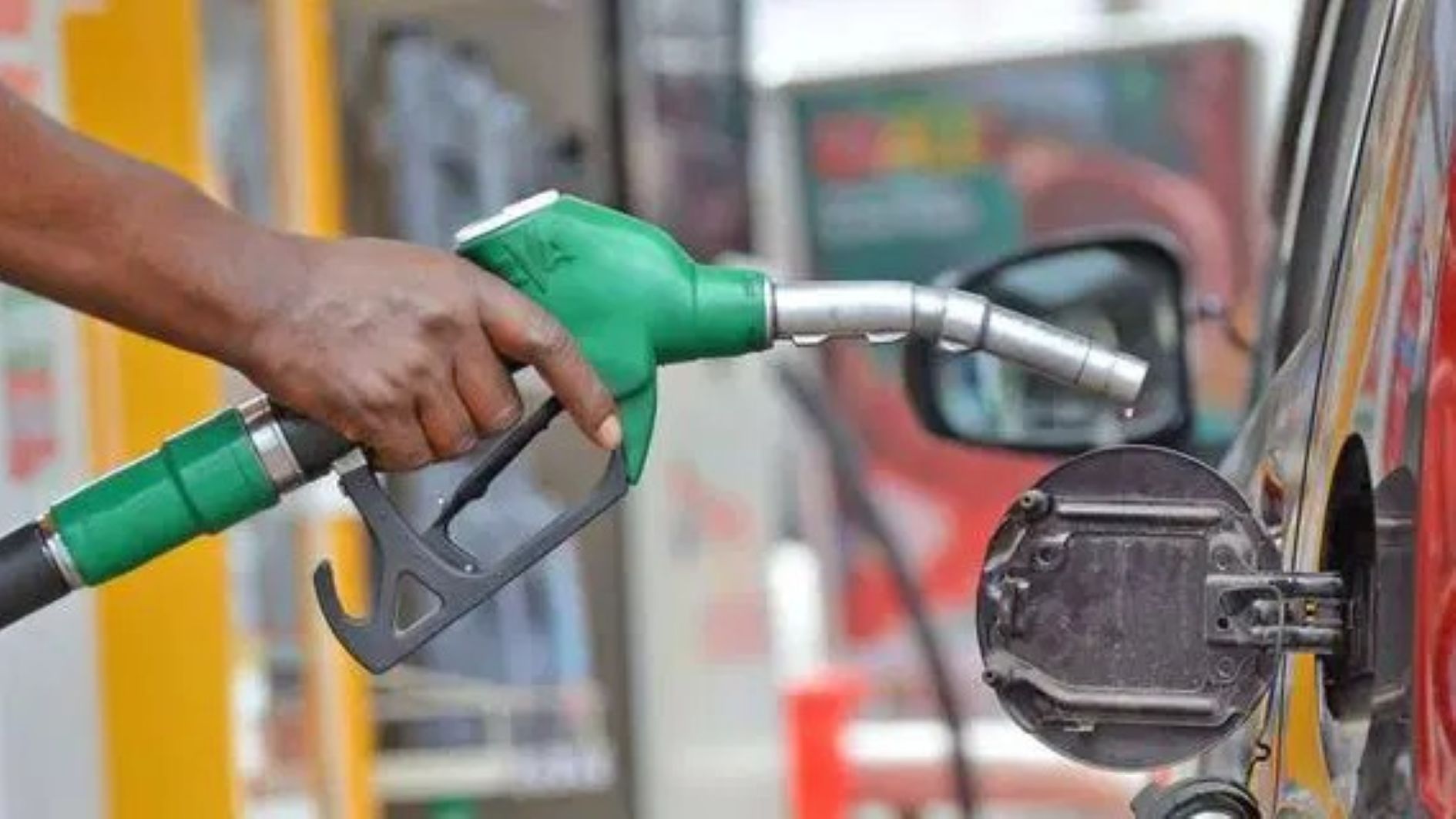
President Bola Tinubu’s decision to do away with fuel subsidy in 2023 was because the country was facing severe financial difficulties, unable to meet up with basic fiscal obligations.
The Founder and Convener of the Alternative Politics Movement, Otunba Segun Showunmi, made this known Tuesday night in Katsina State, while fielding questions from newsmen on Tinubu’s administration’s policies.
Showunmi said Nigeria faced a critical period during the fuel subsidy era with many states unable to pay salaries, while money had be printed arbitrarily to meet up with fiscal necessities.
He said the subsidy regime was a major drain on public resources, and had failed to deliver the economic benefits expected over several decades.
He said the subsidy program, which originated in the 1970s and became established around 1978, was initially intended to promote industrial development, improve living standards and strengthen the nation’s economy.
Showunmi, however, said successive administrations had failed to achieve those objectives despite committing substantial public funds to the program.

He said that by the time Tinubu assumed office on May 29, 2023, the country was in a critical financial position, adding that there was no provision in the inherited budget to sustain petrol subsidy beyond the inauguration date.
He said previous administrations had avoided taking decisive action because of the political consequences associated with removing the subsidy.
He said it was the fuel subsidy program that kept Nigeria from translating periods of high international oil prices into significant improvements in infrastructure, workers’ welfare and public services.
He lamented that the previous subsidy arrangement encouraged the diversion of petroleum products to neighbouring countries, including Cameroon and the Republic of Benin.
He also recalled the difficulties experienced by some state governments in paying workers’ salaries and pensions, noting that federal financial bailouts became a recurring feature of the country’s fiscal management.
Showunmi defended Tinubu’s economic reforms by saying that the measures were designed to address longstanding structural weaknesses and improve the management of public finances.
He claimed that Nigeria’s financial position had improved under the current administration, citing increased government savings and greater availability of resources for development programmes.
While acknowledging that the reforms had imposed economic hardship on Nigerians, he maintained that the measures were necessary to establish a more sustainable economic system.
He urged Nigerians to consider the country’s financial condition before the current administration assumed office and assess the reforms based on their long-term objectives rather than their immediate consequences.
He maintained that although the reforms were difficult, abandoning them without addressing the underlying financial problems could return the country to the economic challenges associated with the previous subsidy arrangement.
He called on Nigerians to exercise patience with the Tinubu administration, arguing that structural economic reforms require time to produce their intended results.
He said the government needed to maintain a consistent policy direction to address the country’s fiscal challenges and create a stronger foundation for sustainable development.
He dismissed political leaders proposing alternative economic policies to Tinubu’s, with call on them to explain how such programmes would be financed and sustained without placing additional pressure on public finances.
He also called on Nigerians, particularly residents of the North-West, to support Tinubu’s re-election bid in 2027, saying continuity in governance would allow the administration to consolidate its ongoing reforms.